
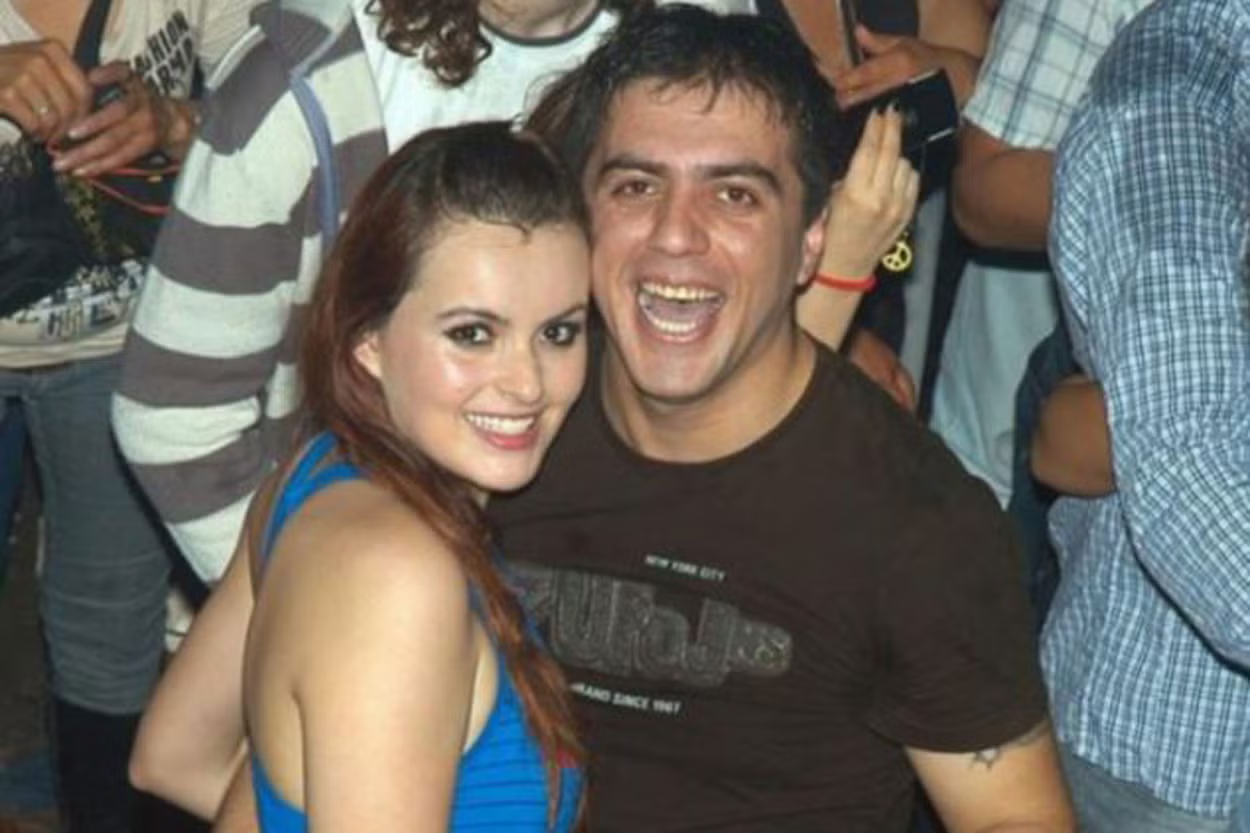
In July 2010, Johana Casas, a 19-year-old model from Pico Truncado, was found shot twice in a forest clearing on the outskirts of town. Police arrested her former boyfriend, Victor Cingolani. A court convicted him and sent him to prison. While he appealed the sentence, Johana’s identical twin sister, Edith, began visiting him.
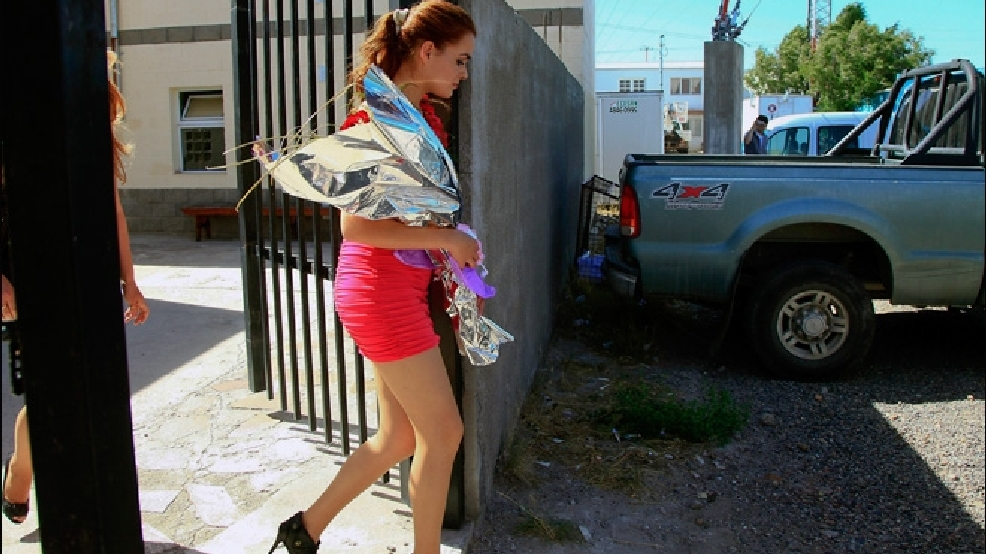
On February 14, 2013, Edith entered the Pico Truncado civil registry under police protection. Outside, a crowd shouted and threw stones at the building. Inside, she signed a marriage certificate with Cingolani, still imprisoned for her sister’s murder.
How that decision came to pass is the story that follows.
Before the Crime
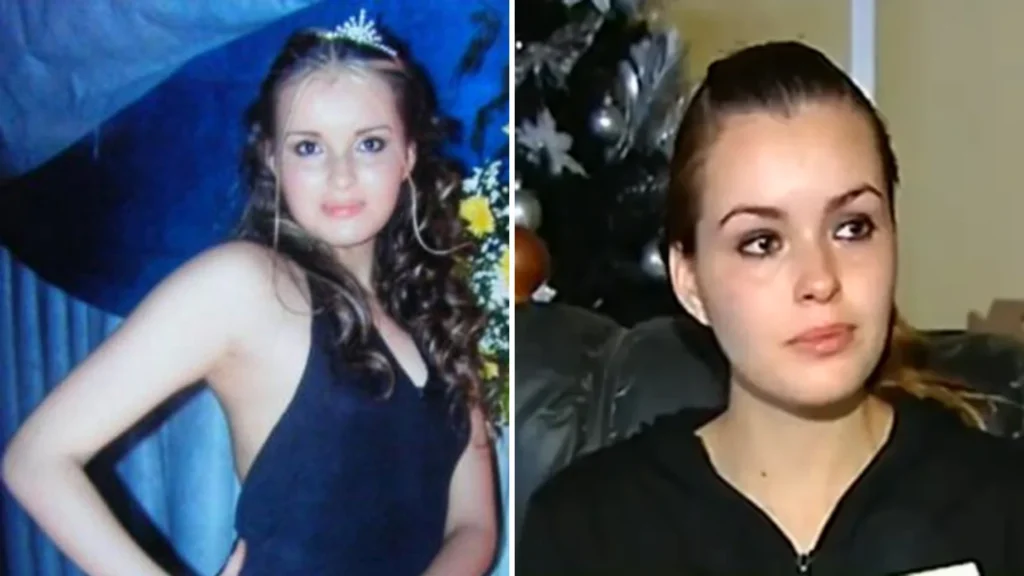
Johana and Edith Casas were born identical twins around 1990 in Pico Truncado, a small oil town in Argentina’s Santa Cruz province. They were 19 years old in 2010. Their parents, Marcelina Orellana and Valentín Casas, raised them in a tight-knit household where the sisters were known for moving through town side by side.
As teenagers, their personalities diverged. Johana became the more visible twin. By 18, she was working as a local fashion model, attending events, and gaining recognition in the town. Edith remained reserved, rarely appearing in public without her sister, often described by acquaintances as living in Johana’s shadow.
In 2009, Johana began dating Victor Cingolani, then 24, an oil-field worker with a record of prior domestic disturbance complaints. The relationship was unstable. Arguments were reported by neighbors, and by early 2010 Johana ended it.
Within weeks, Cingolani started a relationship with Edith. The change shocked the family. Their mother openly opposed it, warning relatives that Cingolani was dangerous. Edith, however, defended him and continued the relationship.
Around the same period, Johana began seeing Marcos Díaz, known locally as “El Tosco,” then 26. He lived nearby. By mid-2010, Johana was staying at his house regularly, and the couple was seen together at local gatherings.
By July 2010, the twins were no longer inseparable. Johana lived part-time with Díaz. Edith was dating Johana’s former boyfriend. Two sisters, two men, and a growing tension inside a family that had never faced division before.
The conditions for tragedy were set.
The Night Johana Disappeared
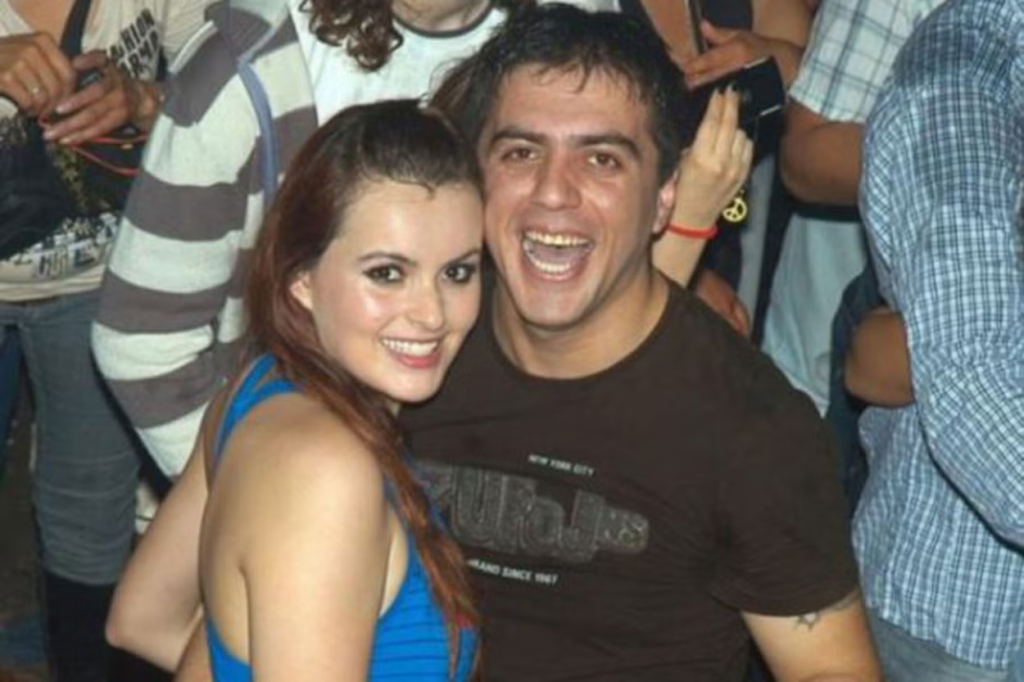
On July 16, 2010, Johana Casas, 19, spent the evening with friends in Pico Truncado. She arrived at a neighborhood gathering with her boyfriend, Marcos Díaz, 26. Alcohol was served. Several witnesses later told police that an argument erupted between the couple during the night. Voices were raised. At one point, Johana was seen trying to walk away. Díaz followed her outside.
It was the last confirmed sighting of Johana alive.
When she did not return home by morning, her family alerted police. A search began across the outskirts of town. Later that day, a dog trainer walking in a wooded area near the Difunta Correa shrine, about four kilometers north of Pico Truncado, discovered a body lying face down in the brush.
Police confirmed the victim was Johana Casas. The autopsy determined she had been shot twice in the chest at close range. There were signs of a struggle. No firearm was recovered. A cigarette butt and a compact disc were found near the body and collected as evidence.
The murder shook Pico Truncado. Within hours, officers sealed the crime scene, neighbors gathered outside the Casas family home, and local media reported that investigators were already looking at two men: Johana’s ex-boyfriend Victor Cingolani and her current partner Marcos Díaz.
By nightfall, grief had turned into suspicion.
Investigation, Arrests, and a Case That Shifted
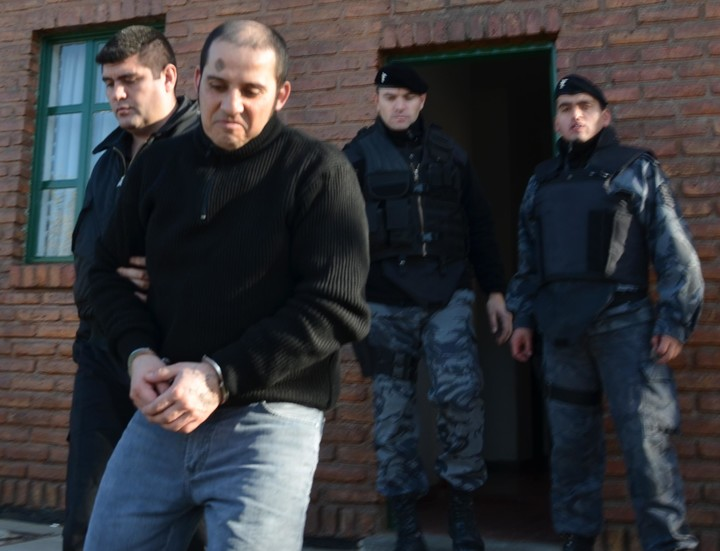
Police detained Victor Cingolani the day after Johana’s body was found. He was 24, Johana’s former boyfriend, and already known to officers from previous domestic violence complaints. Investigators cited jealousy as a possible motive. At the time of his arrest, Cingolani was dating Edith Casas.
Marcos Díaz, 26, Johana’s boyfriend and the last person seen with her alive, vanished the same morning. For seven months, he remained a fugitive. Search notices were issued across Santa Cruz province. In early 2011, Díaz surrendered to police.
Forensic results soon reshaped the case. A cigarette butt recovered beside Johana’s body carried Díaz’s DNA. A compact disc found at the scene was traced to Díaz’s car. Witnesses from the party confirmed a violent argument between Díaz and Johana shortly before she disappeared. No physical evidence placed Cingolani at the crime scene.
Despite this, prosecutors advanced first against Cingolani. In 2012, he was tried for homicide. During the proceedings, Edith Casas appeared in court supporting him. She initially wore clothing demanding justice for her sister, then reversed position, publicly declaring Cingolani innocent. The court convicted him and sentenced him to 13 years in prison.
In 2013, Marcos Díaz was tried separately. The court found him guilty as the material author of Johana’s murder and sentenced him to 12 years. The verdict established Díaz as the shooter.
Argentina now had a legal paradox: two men convicted for one killing.
Cingolani’s defense appealed to the Supreme Court of Santa Cruz. In December 2013, the court overturned his conviction, ruling that no direct evidence linked him to the murder and confirming Díaz as the sole perpetrator. Cingolani walked free after more than three years in prison.
The law had corrected itself. But the story was already heading toward its most controversial chapter.
The Wedding That Shook Argentina
While Victor Cingolani sat in prison awaiting appeal, Edith Casas made a decision that stunned Pico Truncado. She announced she intended to marry him.
By late 2012, Edith was a regular visitor at the prison. She publicly stated that Cingolani was innocent and that their relationship had begun after Johana’s death. Her family objected. Her mother, Marcelina Orellana, petitioned a judge to block the marriage, warning that Edith was being manipulated by a dangerous man. The court ordered a psychological evaluation. Specialists concluded Edith showed no mental disorder and was legally capable of consenting.
With judicial approval granted, the wedding was scheduled for February 14, 2013.
That afternoon, Edith arrived at the civil registry in Pico Truncado. Police cordoned off the entrance as residents gathered outside in protest. Stones struck the building’s walls. Shouts for justice filled the street. Inside, Edith signed the marriage certificate. Cingolani, brought from prison under guard, did the same. Neither of Edith’s parents attended.
News cameras recorded the scene. Within hours, the images were broadcast across Argentina and picked up by international media. A twin had married the man convicted of killing her twin sister.
After the ceremony, Cingolani was returned to prison. Edith walked alone through the crowd. Her family publicly disowned her. Her father told reporters he had lost both daughters that day.
Later that year, the Supreme Court overturned Cingolani’s conviction. He was released in December 2013. Edith and Victor left public view and began living together quietly in the region.
Years later, the marriage ended. Edith moved on with a new partner. Cingolani remained in Pico Truncado. Johana’s murder case closed in the courts, but in the town where it began, it never truly closed.
After the Verdicts
By the end of 2013, the courts had reached their final position. Marcos Díaz was serving a 12-year sentence as the material author of Johana Casas’s murder. Victor Cingolani, once convicted for the same crime, walked free after the Supreme Court of Santa Cruz overturned his sentence. In legal terms, the case was resolved.
In Pico Truncado, the resolution felt incomplete.
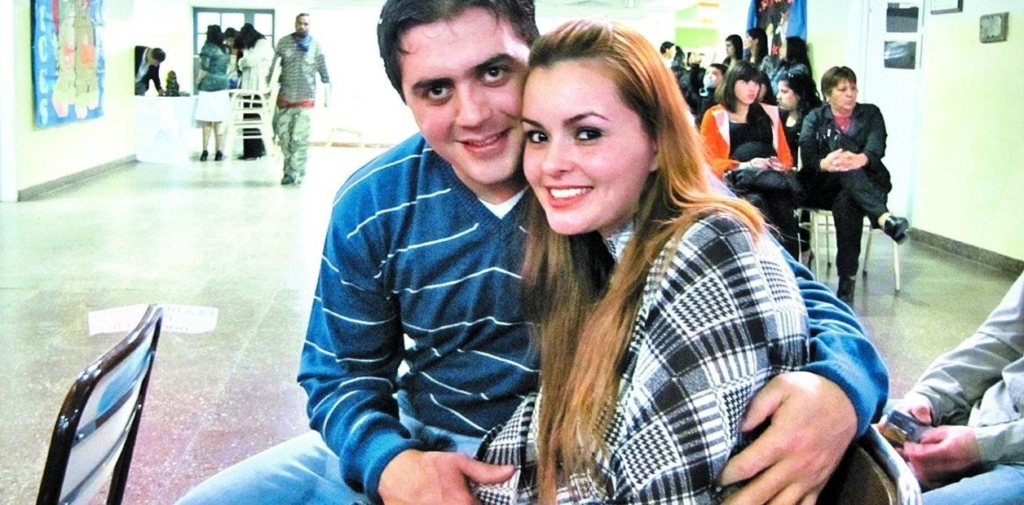
The Casas family never accepted the marriage. Edith’s parents refused reconciliation. Publicly, her father stated he no longer considered her his daughter. Her mother maintained that Edith had been manipulated. The family home that once held identical twins now held only absence.
Edith and Cingolani lived together quietly after his release. They avoided media and gave no further interviews. Neighbors reported occasional sightings, but the couple kept a low profile. The story that had drawn international attention settled into local silence.
Years later, Edith left the relationship. She began a new life with another partner and confirmed publicly that she and Cingolani were no longer together. She remained in the province. Cingolani stayed in Pico Truncado, living privately, no longer under legal restriction.
Marcos Díaz continued serving his sentence in prison. No further appeals altered his conviction.
Johana Casas’s grave remained in the town cemetery. No memorial plaque. No official commemoration. Only a name known by every resident.
One twin died at nineteen in a forest clearing. One twin married the man once convicted of that death.
