
Just after midnight on November 16, 1999, Cherica Adams followed Rae Carruth’s car along a two-lane road in Charlotte, North Carolina. She was eight months pregnant. Carruth stopped his vehicle. Adams stopped behind him. A third car pulled alongside her driver’s side. A man in the back seat lowered his window and fired four shots at close range. Carruth drove away.
Adams remained conscious. Bleeding heavily, she used a cell phone Carruth had given her to call 911. She reported the shooting and identified Carruth as the man who had arranged the meeting. She provided his address and vehicle description while staying on the line for twelve minutes.
Paramedics transported her to Carolinas Medical Center, where doctors performed an emergency cesarean section. Her son survived. Adams fell into a coma.
On December 14, 1999, she was removed from life support and died. Her recorded statement became the central evidence in the case.
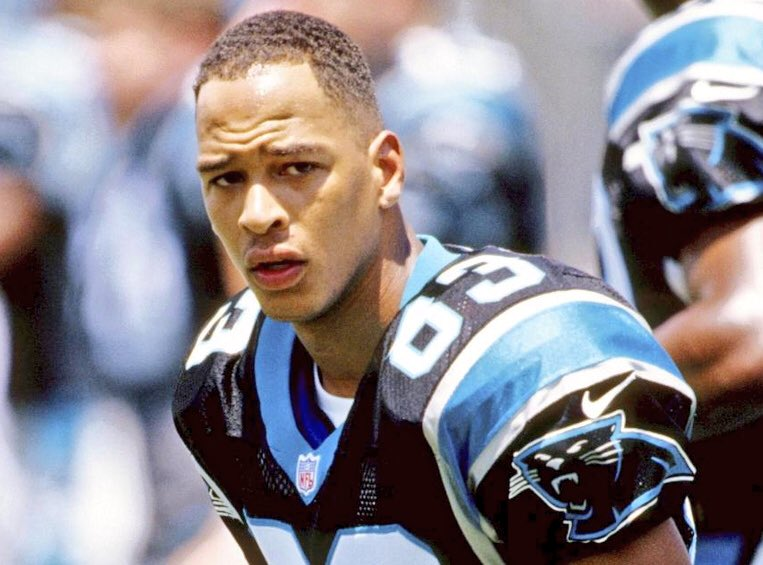
Rise of a Star
Rae Lamar Carruth was born on January 20, 1974, in Sacramento, California. He grew up in Oak Park, a neighborhood marked by gangs and narcotics trafficking. Carruth stayed out of trouble. He did not drink. He did not use drugs. He focused on football.
In high school, his speed drew immediate attention. Coaches described him as a sprinter playing wide receiver. He became popular, well-liked, twice voted prom king. College recruiters took notice.
He accepted a football scholarship to the University of Colorado. On the field, he delivered. First-team All-American. NFL scouts tracked him closely. In 1997, the Carolina Panthers selected him in the first round of the draft. He signed a four-year, $3.7 million contract, including a $1.3 million signing bonus.
The lifestyle changed overnight. Luxury cars. Expensive homes. Gifts for friends and family. But financial obligations followed. A former girlfriend gave birth to his son. Court-ordered child support required $3,000 monthly payments. Another girlfriend later became pregnant. He pressured her into an abortion.
Then injuries intervened. A broken foot ended his second NFL season. His long-term future in the league became uncertain. Income stability weakened. Spending remained high.
By mid-1998, Carruth had fame, mounting financial strain, and growing anxiety over additional responsibilities. That was when he met Cherica Adams.
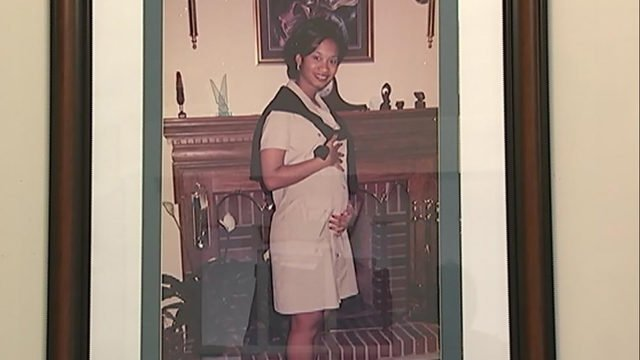
Cherica Adams
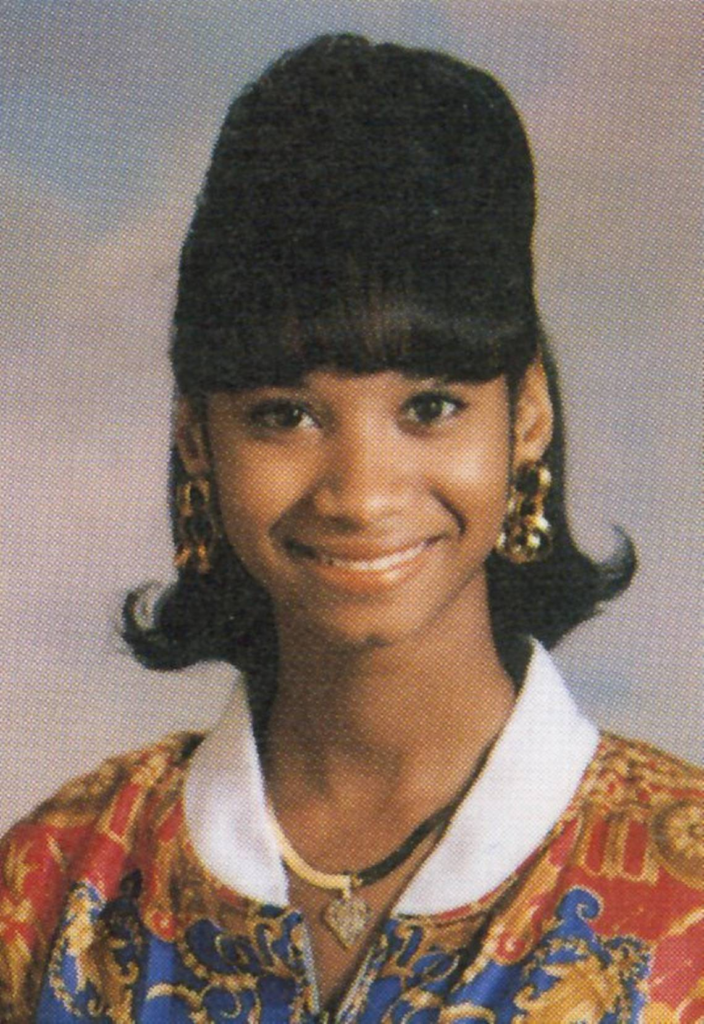
Cherica Lené Adams was born in June 1975 in Kings Mountain, North Carolina. Her parents separated early. She was raised by her mother and grandparents. Friends described her as outgoing, confident, and magnetic. She was known for her appearance and easy social charm.
After high school, she attended Winston-Salem State University. Two years later, she left college and entered real estate. To supplement her income, she worked as a dancer at a Charlotte nightclub. The club enforced strict rules. No physical contact. No prostitution. It was there she met Rae Carruth in 1998.
Their connection formed quickly. They began seeing each other casually. Both continued dating other people. Within months, Adams became pregnant. Carruth reacted negatively. He already paid child support. His career was uncertain. He did not want another child.
Adams refused to consider an abortion. Friends later stated she understood Carruth did not intend to be involved. She proceeded with the pregnancy regardless.
By late 1999, she was eight months pregnant. The relationship had deteriorated. Communication continued, but trust was thin. On November 15, Carruth contacted her and proposed a date. She agreed. Hours later, she would be fighting for her life.
The Murder Plot
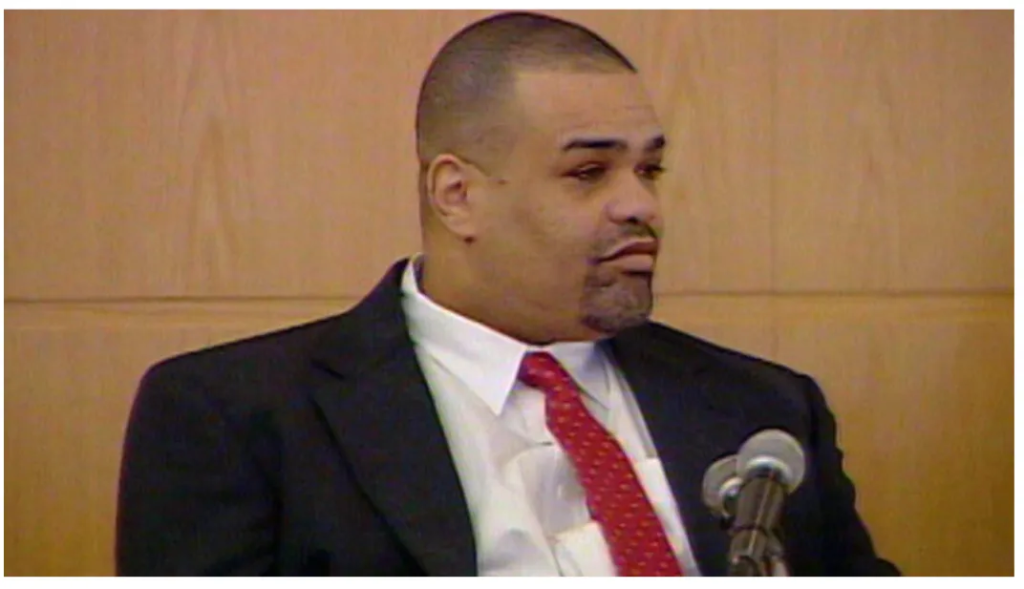
During the summer of 1999, Carruth hired a security guard named Van Brett Watkins. Watkins worked at the Charlotte nightclub Adams frequented. He had a criminal record and openly described himself as a contract killer. Carruth initially employed him as a bodyguard. Within weeks, the relationship shifted.
Carruth told Watkins he wanted Adams beaten badly enough to cause a miscarriage. Watkins refused. He stated he did not beat women. He killed targets. Carruth accepted that alternative. They agreed on payment: $3,000 upfront and $3,000 after the job was completed.
Watkins recruited two associates. Michael Kennedy supplied a firearm and drove the lead vehicle. Stanley Abraham accompanied them. The plan was direct. Carruth would take Adams on a date. Afterward, he would convince her to follow him home in her own car. On a remote stretch of road, Watkins would carry out the shooting.
On the night of November 15, 1999, Carruth and Adams attended a movie. Afterward, Carruth suggested staying at her home. They left separately. Carruth drove ahead. Adams followed. Kennedy’s car followed behind her.
Just after midnight, Carruth stopped his vehicle on a dark two-lane road. Adams stopped behind him. Kennedy pulled alongside Adams’ car. Watkins lowered his window and fired four shots into the driver’s side. Carruth drove away immediately.
Watkins later testified that Carruth watched the attack through his rearview mirror before leaving the scene.
Flight and Capture
Investigators moved quickly. Phone records tied Carruth to Watkins and Kennedy. Adams’ recorded 911 statement identified Carruth as the person who set up the meeting. Within days, police arrested Kennedy and Watkins. Both implicated Carruth.
On November 25, 1999, authorities arrested Carruth in Charlotte. He was charged in connection with the shooting. Despite the severity of the case, he was granted bond. Conditions were strict: he could not leave Mecklenburg County and was required to surrender if Adams or the baby died.
On December 14, 1999, Adams was removed from life support. Her death triggered a murder warrant. Carruth did not surrender.
Instead, he contacted Wendy Cole, an acquaintance preparing to drive from Charlotte to California. Carruth convinced her to hide him in the trunk of her Nissan Maxima. On the night Adams died, he climbed inside. Cole drove west.
After nearly twenty-one hours in the trunk, Cole stopped at a hotel in Tennessee. She contacted Carruth’s mother, who in turn alerted a bail bondsman. Authorities traced the call. FBI agents surrounded the hotel parking lot.
Carruth was ordered to extend his hands through the trunk opening. He complied. Agents pulled him out and arrested him without resistance.
The Carolina Panthers released him immediately. The NFL suspended him indefinitely. The case moved toward trial.
The Trial
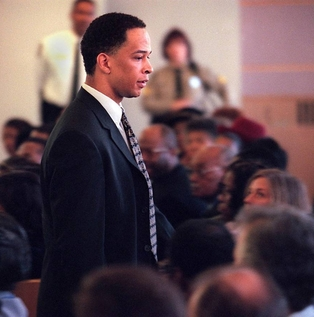
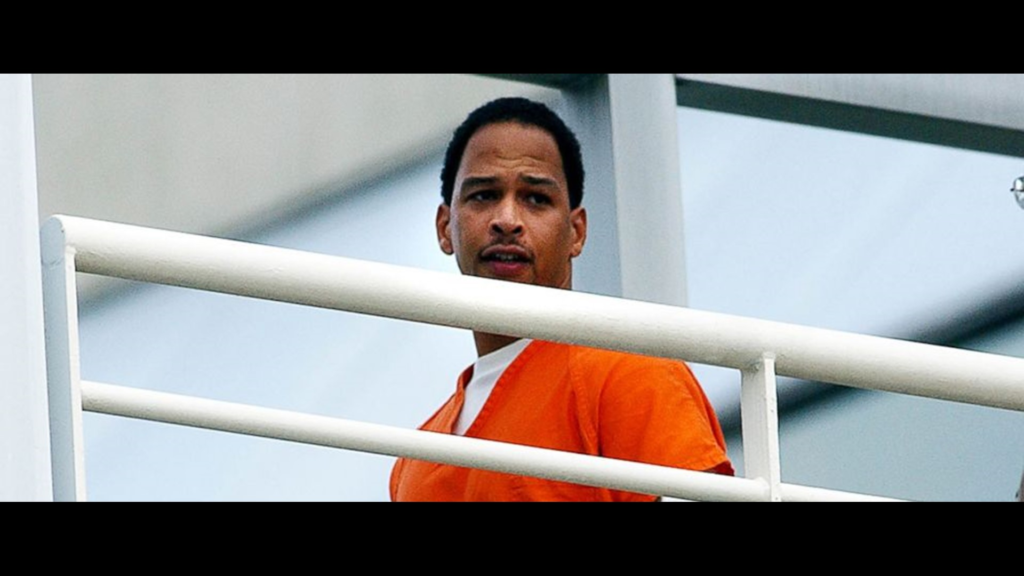
Carruth’s trial began in October 2000 in Charlotte. National media covered the proceedings. It was the first time an active NFL player had faced a murder trial.
The prosecution built its case around one central piece of evidence: Cherica Adams’ 911 call. Jurors heard her describe the shooting, identify Carruth as the man who arranged the meeting, and provide details only someone present could know.
Watkins testified that Carruth hired him to kill Adams. Kennedy confirmed supplying the gun and driving the attack vehicle. Phone records supported their accounts. Additional witnesses described Carruth’s prior reactions to unwanted pregnancies, including testimony from a former girlfriend who stated he had pressured her into an abortion and once joked about killing a woman to avoid child support.
The defense denied Carruth’s involvement. Attorneys claimed he left Adams after the movie and was not present at the shooting. They argued Watkins acted independently after a failed drug deal. The defense presented no evidence placing Carruth away from the crime scene.
After eleven weeks of testimony and seventy witnesses, the jury reached a verdict on January 19, 2001 one day before Carruth’s 27th birthday.
Carruth was found guilty of conspiracy to commit murder, discharging a firearm into occupied property, and using an instrument to destroy an unborn child. He was found not guilty of first-degree murder.
He was sentenced to 18 to 24 years in prison.
Aftermath
Van Brett Watkins pleaded guilty to second-degree murder and received a 50-year sentence. Michael Kennedy pleaded guilty to second-degree murder and was sentenced to 11 years. Stanley Abraham pleaded guilty as an accessory and served 90 days.
Cherica Adams’ son, Chancellor Lee Adams, survived. Oxygen deprivation during delivery caused permanent brain injury and cerebral palsy. He was raised by his grandmother, Saundra Adams, in North Carolina.
In prison, Carruth worked as a janitor and barber. His appeals were denied. He served eighteen years.
On October 22, 2018, Carruth was released on probation. He moved out of state and found employment with family connections. Years later, he sent a financial payment toward restitution for his son.
Chancellor grew into adulthood with ongoing medical needs. The woman who named her killer in her final minutes left behind a son who lived and a recording that closed the case.
