
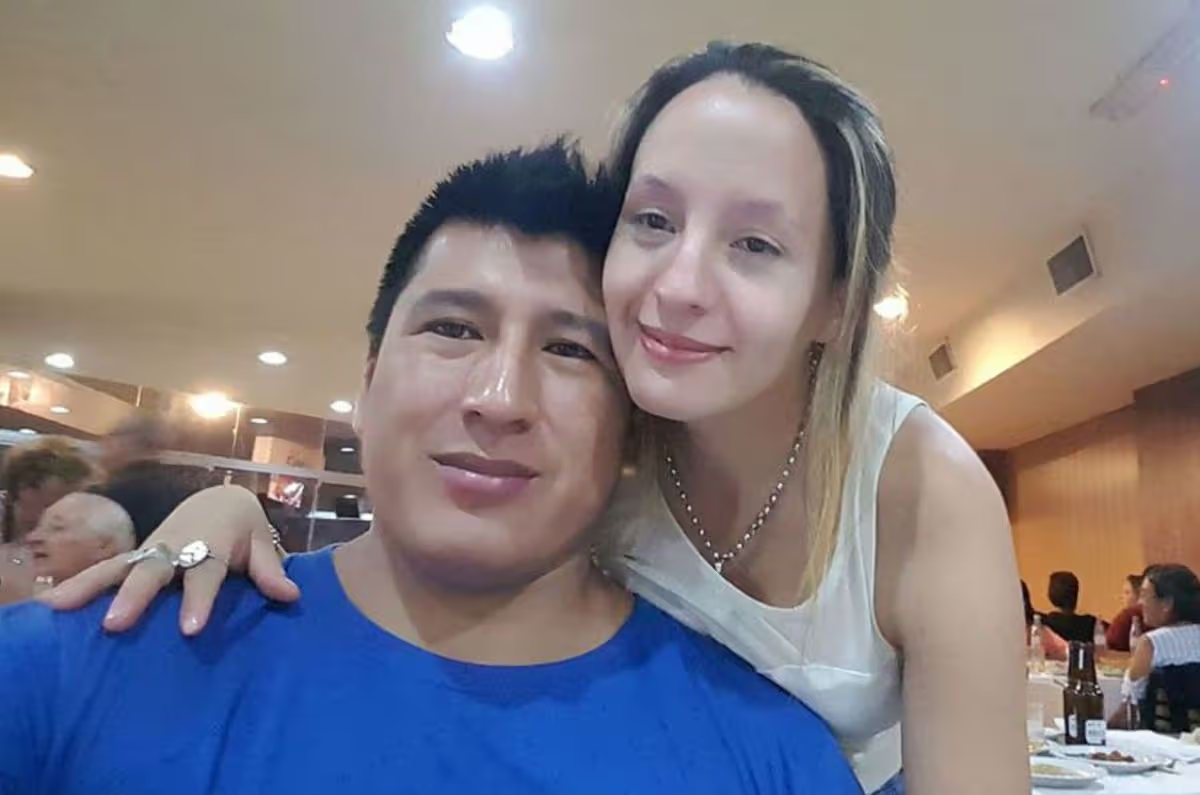
On February 6, 2022, in Guaymallén, Mendoza, Rolando Ángel Aquino drank orange juice at home and soon became violently ill. He vomited, lost balance, and was taken to the hospital. He died on February 9. Tests later detected ethylene glycol in his body.
On July 7, 2019, his 9-year-old son collapsed in that same house. He died two days later. Toxicology later identified the same substance.
Background
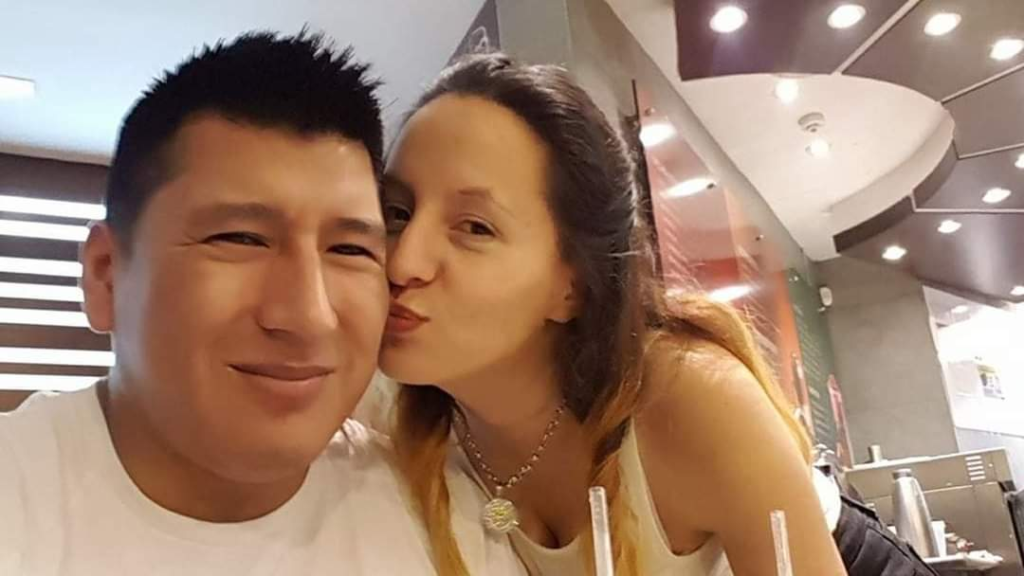
Karen Leylen Oviedo had lived most of her life in Guaymallén, Mendoza Province. She was known in the neighborhood. By 2016, she was raising two daughters from previous relationships and working locally. People saw her daily at the shop, on the street, inside the small home where she would later live with Rolando.
That same year, Rolando Ángel Aquino moved from Bolivia to Mendoza. He was in his early 30s. He worked, played football, and kept regular contact with his two sons from a previous relationship. He visited them and remained involved in their routines.
Karen and Rolando began dating in 2016 and soon started living together. They ran a small store from their house. It generated steady income and gave the appearance of stability.
There were problems. At one point, Rolando found Karen inside a parked car with another man. He confronted her. The relationship continued. They did not separate.
By 2019, when Rolando’s youngest son visited the house, relatives later said tension was visible. Karen reportedly complained about the time father and son spent together.
Before February 2022, the house, the vehicle, and the business were registered in Karen’s name. On official records, the primary assets were legally hers.
July 2019
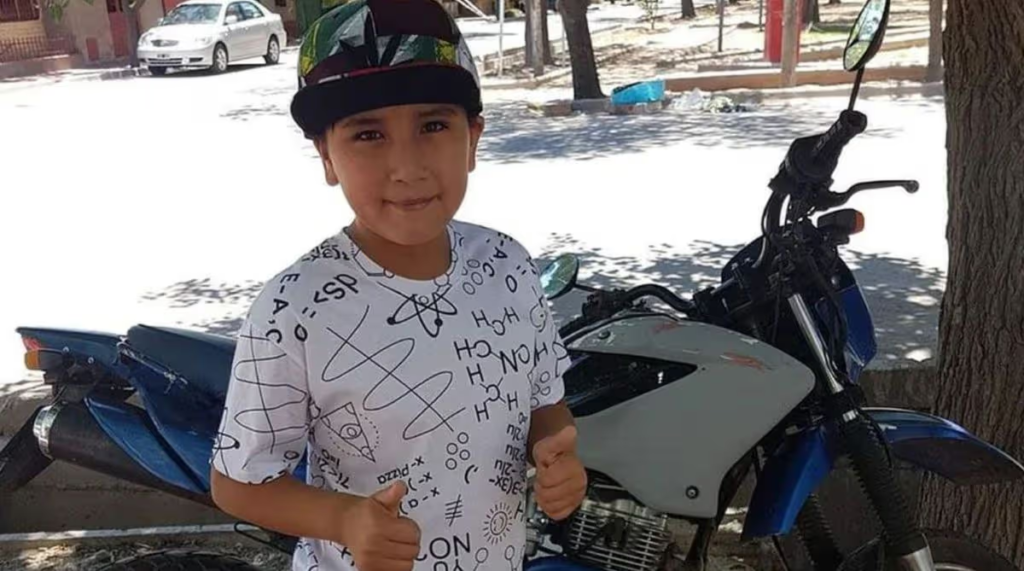
In early July 2019, Rolando’s 9-year-old son came to stay at the house in Guaymallén. He had arrived healthy, according to his family, and was expected to spend time with his father during the visit.
On July 7, Rolando found him inside the home vomiting and unable to stand properly. He carried him out and took him to the hospital. Doctors admitted the child to intensive care. His condition did not stabilize.
Two days later, he died. Medical findings listed acute poisoning that led to multi-organ failure. Clotting was reported in the brain.
Hospital staff recommended a forensic autopsy to determine the source of the toxin. The child’s mother and grandmother declined.
After the death, cremation was discussed. The child’s mother later stated she refused and chose burial.
At that time, there was no criminal charge. The death was not treated as homicide.
After the child’s death in July 2019, no criminal case followed. Life inside the house in Guaymallén continued.
Rolando struggled in the months after the funeral. Relatives later described him as withdrawn. Karen remained in the home and continued helping manage the small store. Daily routines resumed.
Over time, Rolando began rebuilding. The relationship continued. They did not separate.
Roughly sixteen months after the child’s death, Rolando proposed. The engagement moved forward.
By this period, the house, the vehicle, and the business operations were already registered in Karen’s name. On official documents, the primary shared assets were legally hers.
From the outside, the household appeared stable again. There was no active investigation connected to the 2019 death.
February 2022
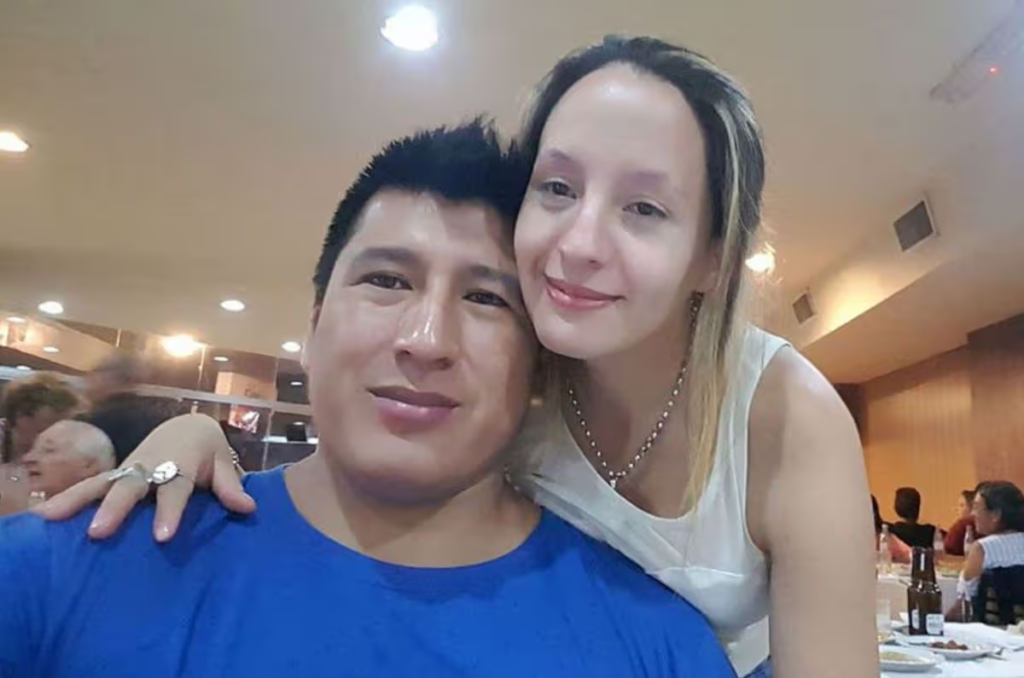
On February 6, 2022, Karen returned home to the house in Guaymallén after spending part of the day at a beauty salon and the gym. Inside the residence, Rolando drank orange juice.
Shortly afterward, he began vomiting and sweating heavily. He appeared dizzy and confused. According to later testimony, he had previously told Karen, “Every time you give me something, I don’t feel well.”
The housekeeper witnessed him deteriorate inside the living room. An ambulance was called. Rolando was transported to the hospital in critical condition.
On February 9, 2022, he died at age 35.
Doctors conducted toxicology testing. Ethylene glycol was detected in his system. Laboratory analysis identified calcium oxalate crystals, a finding consistent with antifreeze ingestion. Medical staff concluded the poisoning was not accidental.
Karen told investigators that Rolando had ordered a dermatological product online through Mercado Libre and may have taken too much. When asked for the name of the product, she could not provide it. She stated the container had been discarded.
The housekeeper denied throwing anything away. She later told authorities she had seen Karen mix a substance into orange juice before giving it to Rolando. She also said he began vomiting soon after consuming it.
Neighbors later reported having seen Karen administer substances to Rolando on previous occasions. One neighbor claimed she had also sedated her own daughters before leaving the house at night.
Investigators obtained a search warrant. Inside the home, they recovered antifreeze containers and droppers.
Digital evidence from Karen’s phone showed recent searches related to lethal poisons and how to delete browsing history. Purchase records confirmed antifreeze had been bought online days before Rolando fell ill.
Following these findings, authorities reopened the 2019 death of Rolando’s son.

Investigation
After Rolando’s death in February 2022, investigators compared his toxicology report with the 2019 medical file of his 9-year-old son.
In 2019, doctors had documented acute poisoning that led to multi-organ failure and clotting in the brain. At the time, no specific criminal source had been identified. The recommended forensic autopsy had not been performed.
Following Rolando’s confirmed ethylene glycol poisoning, authorities ordered renewed analysis of the child’s preserved medical evidence. The result identified the same substance: ethylene glycol.
Purchase records showed antifreeze had been bought on July 2, 2019, days before the child arrived at the house. In 2022, another antifreeze purchase was recorded shortly before Rolando fell ill. Both transactions were linked to Karen’s accounts.
Witness testimony added further detail. The housekeeper stated she had seen Karen mix a substance into orange juice before giving it to Rolando. She described him vomiting soon after drinking it.
Rolando’s brother later told investigators that during a prior visit, Karen had offered him orange juice as well. He reported becoming sick shortly afterward.
The physical evidence recovered from the home antifreeze containers and droppers matched the toxicology findings. Digital searches related to lethal poisons were conducted days before Rolando’s collapse.
With identical toxicology, documented purchases, witness accounts, and digital history, investigators formally connected the 2019 child death and the 2022 adult death as part of the same poisoning pattern inside the same residence.
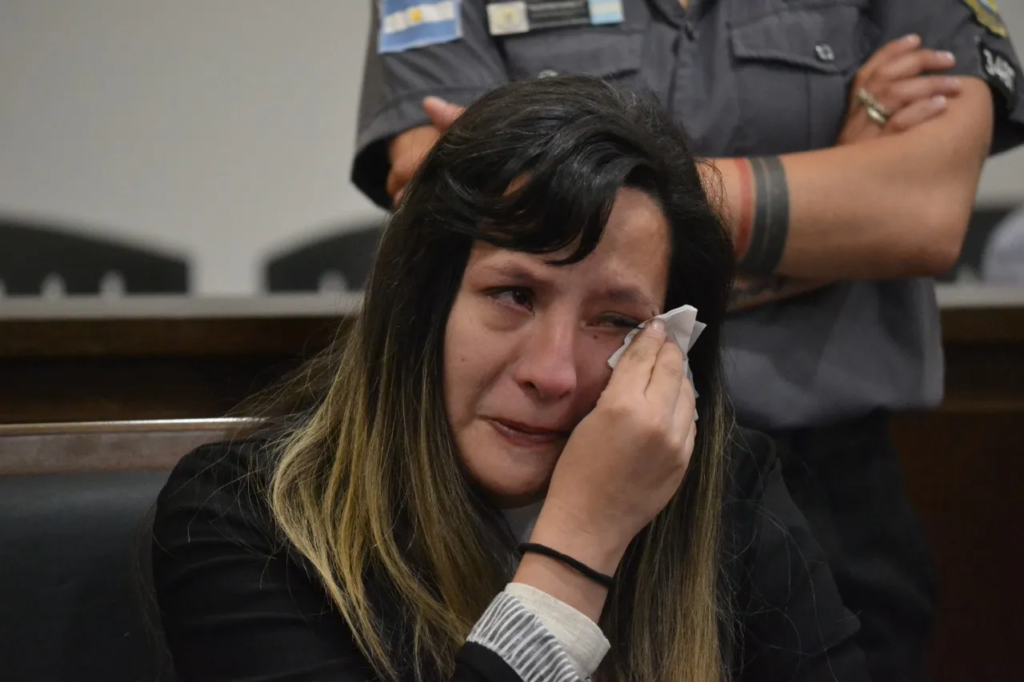
Trial
On March 4, 2022, prosecutor Claudia Ríos filed aggravated homicide charges against Karen Oviedo for the death of Rolando Ángel Aquino. After toxicology confirmed ethylene glycol in the 2019 case, the charge was expanded to include the death of the 9-year-old child.
At trial, the prosecution presented toxicology reports confirming ethylene glycol and calcium oxalate crystals in both victims. Purchase records showed antifreeze had been bought on July 2, 2019, and again days before February 6, 2022. Digital searches related to lethal poisons and deletion of browsing history were entered into evidence.
The housekeeper testified she saw Karen mix a substance into orange juice before giving it to Rolando. Rolando’s brother testified he became ill after drinking orange juice she had offered during a prior visit.
The child’s mother testified that Karen suggested cremation after the 2019 death. Carolina testified that when she arrived at the hospital on February 8, 2022, Rolando was already unconscious.
The defense argued there was no financial motive and questioned whether Rolando could have ingested the substance himself.
A jury found Karen Oviedo guilty of aggravated homicide for both deaths. Under Argentine law, she was sentenced to life imprisonment, which carries a minimum of 35 years before eligibility for parole.
Aftermath
After the verdict, Karen Oviedo was transferred to prison to begin serving a life sentence. Under Argentine law, parole eligibility comes after 35 years.
The conviction formally closed the 2019 death of the 9-year-old boy, which had remained unresolved for nearly three years.
In Guaymallén, the case drew attention because both deaths occurred inside the same home, years apart, with no initial criminal charge after the first.
Relatives later stated that the 2022 investigation was the turning point. Without the second toxicology report, the first death may not have been reopened.
The case left a documented record of two confirmed ethylene glycol poisonings inside one household, separated by time but linked through forensic evidence.
