
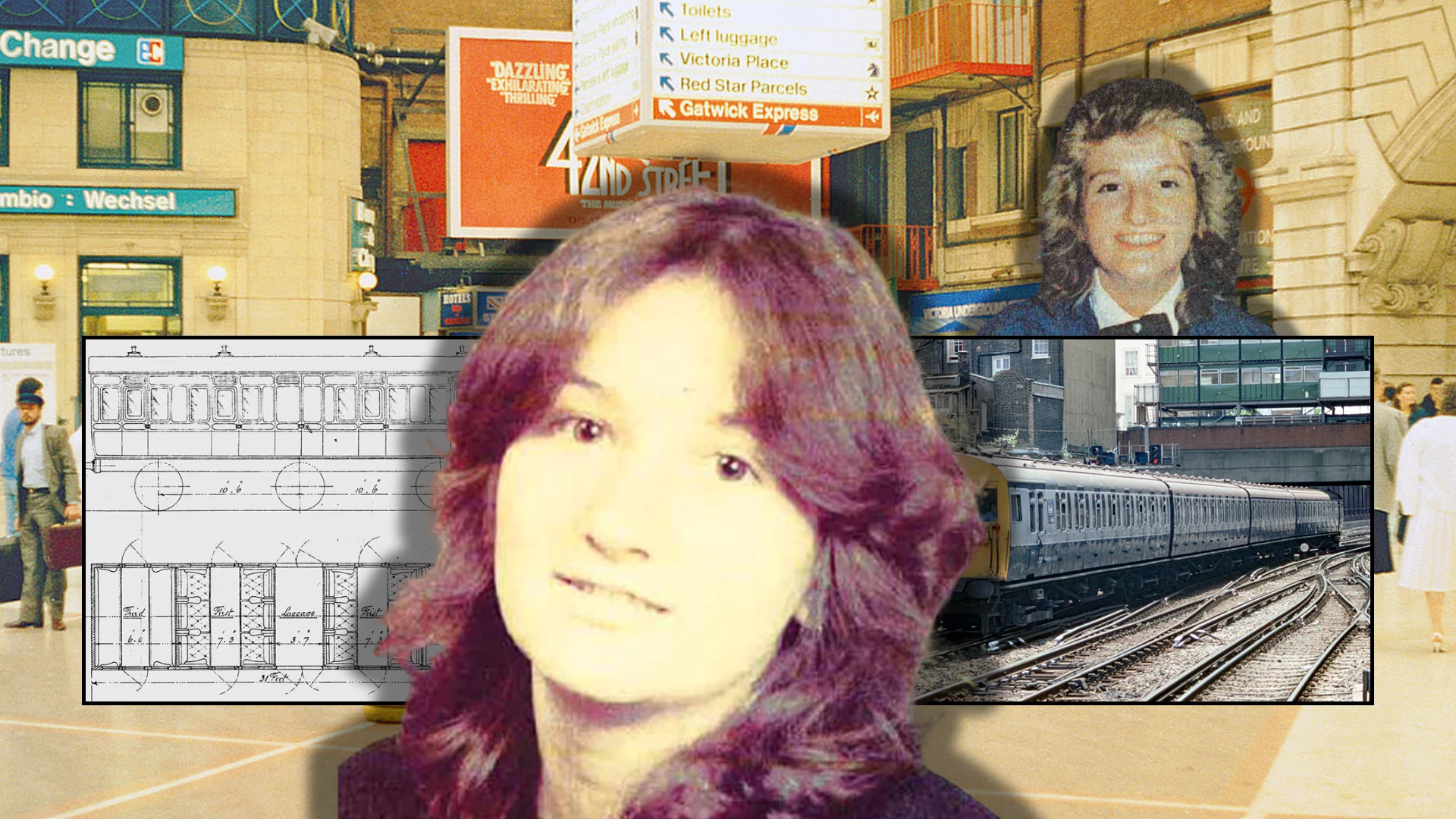
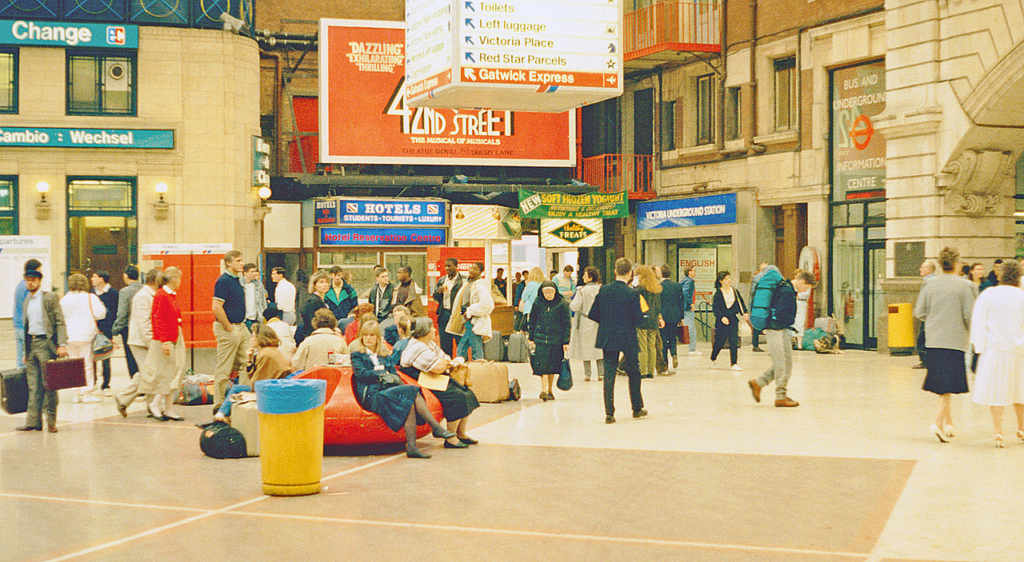
On March 23, 1988, at approximately 2:50 in the afternoon, British Rail staff boarded the 14:16 Orpington-to-Victoria service as it pulled into Platform 2 at London’s Victoria Station. The journey had taken 31 minutes.
They were looking for forgotten bags and stray luggage. In the front compartment of trailer carriage 15084, they found 26-year-old Debbie Lindsley on the floor, surrounded by blood. She had been stabbed at least 11 times. Her killer was gone.
A Life in Motion
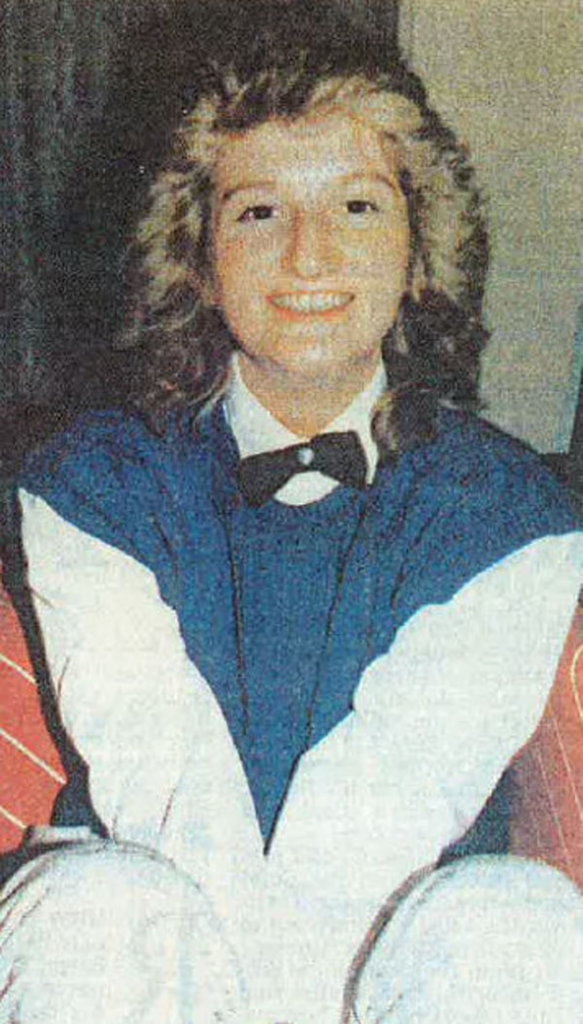
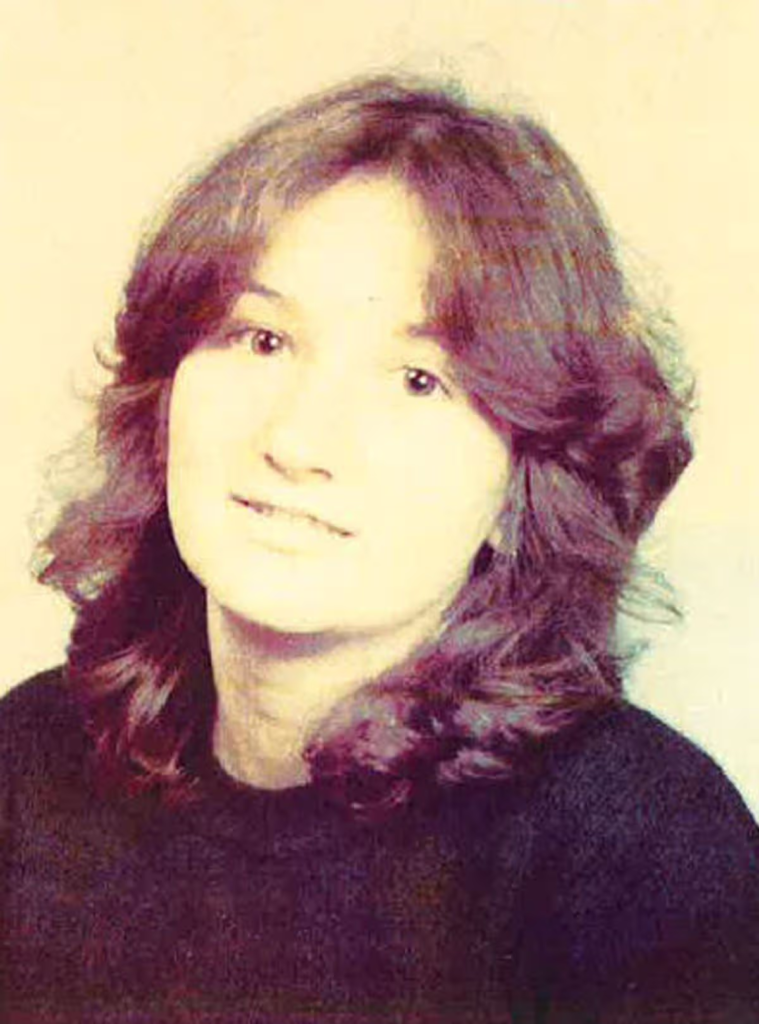
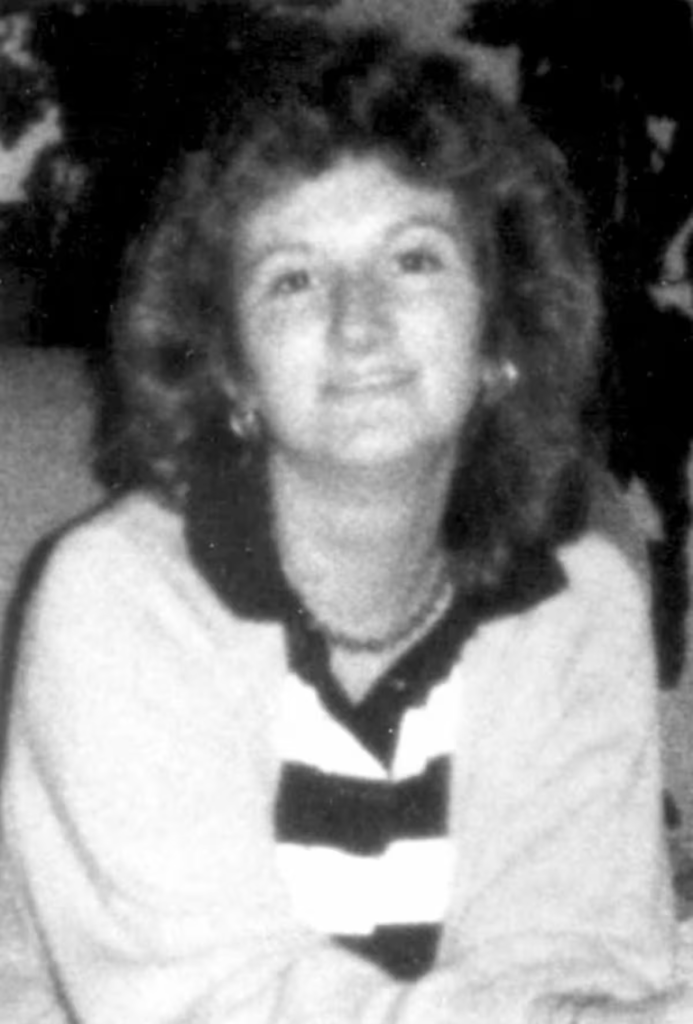
Deborah Ann Lindsley, known to everyone as Debbie, was born in Bromley, Kent, on October 20, 1961, to Arthur and Marguerite Lindsley. Her father was a retired insurance broker. Her mother worked for the Department of Social Security, specialising in investigating fraud.
By 1988, Debbie had left the family home and built an independent life in Edinburgh, Scotland’s capital, where she worked as a hotel manager and receptionist. She missed her family, but she was thriving.
That March, Debbie was attending a hotel management course in Hertfordshire. She used the time to stay with her parents in Bromley, helping with final preparations for her brother Gordon’s upcoming wedding. She had been fitted for her bridesmaids dress and was looking forward to wearing it. During the course, she had also visited the manager of the Sherlock Holmes Hotel on Baker Street, who offered her a management position on the spot.
On the afternoon of March 23rd, Debbie was heading back to the hotel for a look around before returning to Edinburgh. She had a new job offer. She had a wedding to attend. She bought her ticket at 2:04 p.m.
The Last Journey
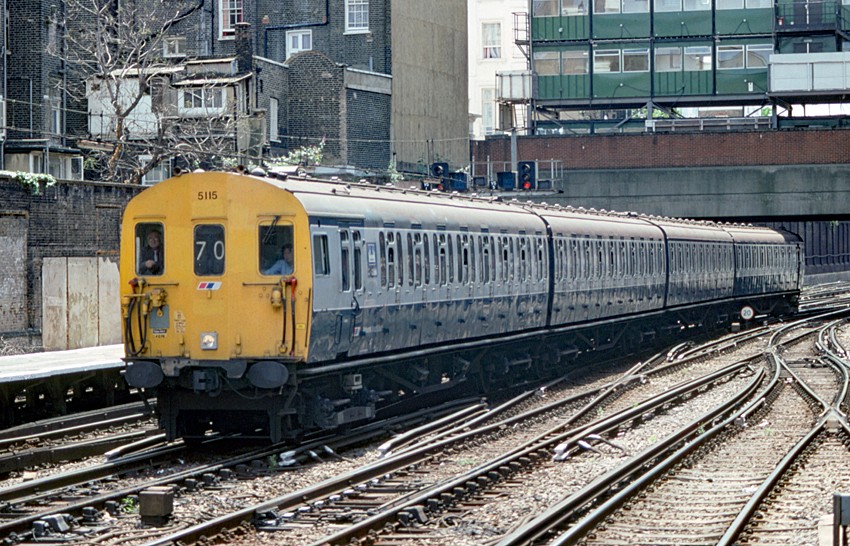
Gordon drove Debbie to Petts Wood station, dropping her off at around 2 p.m. The 14:16 service from Orpington was a 4EPB electric multiple unit, number 5115, made up of a mixture of carriage types. The newer carriages had open central gangways connecting passengers throughout the train.
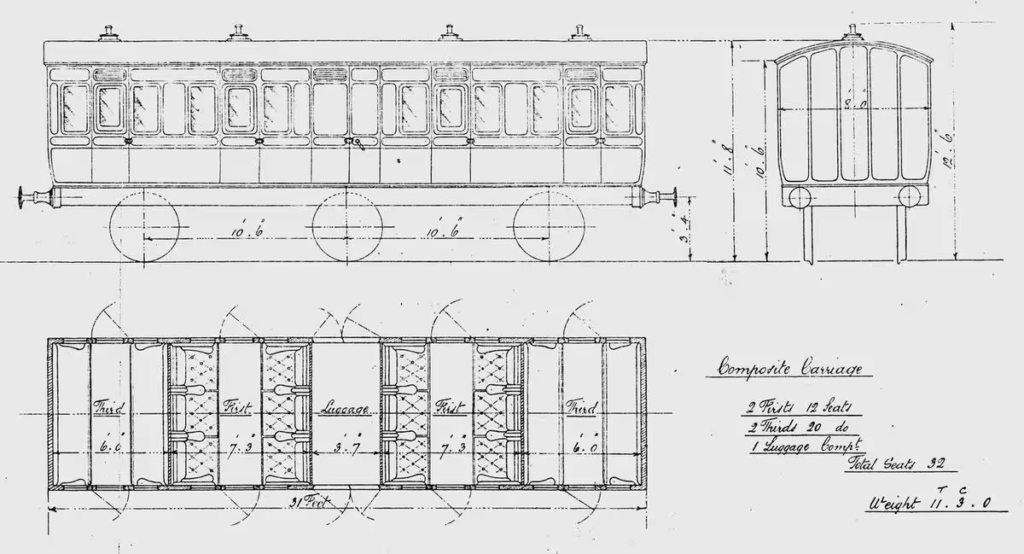
The older carriages were divided into full-width, self-contained compartments, each with doors opening directly to the outside, with no way to move between compartments while the train was moving. Debbie knew the difference. Her mother later told police that Debbie was security-conscious, that she carried a rape whistle on her keyring, and that she was wary of the isolated older compartments precisely because there was no way out if something went wrong.
But smoking was only permitted in the older compartments. Debbie was a smoker. She stepped into the front compartment of trailer carriage 15084. Police believe she may have felt safe doing so because other women were already seated there, and that they alighted at stops along the route, leaving her alone. No passenger has ever come forward to confirm they sat in that compartment with Debbie. No one has ever confirmed she was accompanied at any point.
Before the train left Orpington, a man was reported to have been standing on the platform staring at women boarding the service. The train departed on schedule, making nine intermediate stops: Bickley, Bromley South, Shortlands, Beckenham Junction, Kent House, Penge East, Sydenham Hill, West Dulwich, and Herne Hill, before arriving at Brixton.
Each stop lasted no more than 20 to 30 seconds. From Brixton, the train ran direct to Victoria. Six minutes, no stops, no way for anyone to board or alight.
The Attack
At Penge East, a female passenger reportedly saw a man moving between compartments at approximately 2:34 p.m. He reboarded before the doors closed. Police described him as stocky, around 30 years old, with dirty blonde hair and a scruffy appearance, wearing a light brown jacket. An artist’s impression was released.
He was never traced. A separate witness described a short, stocky man who appeared to jump from the train at Victoria as it pulled in. He too was never identified.
In the compartment directly adjacent to Debbie’s, an 18-year-old French au pair named Helene Juselene heard what came next. After the train left Brixton and began its final run to Victoria, Helene heard screaming. She would later describe it to police in terms that left no ambiguity about what she understood was happening.
She said: “I had never heard such screams. They stopped for about five seconds and started again. She called out as if for help. They were screams of fear and very, very loud. I wanted to use the alarm but I remained glued to my seat.”
The screaming lasted approximately two minutes. Helene did not pull the communication cord. She did not move. When the train reached Victoria and the compartment doors opened, she watched a large, heavily-built man, aged between 40 and 50, step out of the last compartment of the first carriage. He was limping.
He had collar-length ginger hair and a moustache. He was wearing grey trousers. Helene followed him off the train and onto the platform, then lost him in the concourse. She did not tell station staff what she had heard. She did not call police. She only came forward after she heard on the news that someone had been murdered on her train.
The Evidence
Debbie had not died without a fight. The carriage floor and seat of compartment 15084 were covered in blood, and not all of it was hers. Her attacker had been wounded during the struggle. She had deep defensive wounds on her hands and arms. She had been stabbed at least 11 times with a heavy-bladed knife, sustaining wounds to the face, neck, and abdomen, five of them concentrated around the heart.
One of those five was the cause of death. Police believed the weapon was a quality kitchen knife between five and seven and a half inches in length. The attack, Superintendent Guy Mills told reporters, was savage and brutal. It was, in his assessment, unlikely to have been the perpetrator’s first violent offence.
At Victoria, witnesses reported a man walking along Platform 2 roughly ten minutes after the train’s arrival. He had a cut to his face, a wound on his head, and scratches across his left cheek. He was described as being in his late 20s, around five feet five inches tall, with long ash-blonde hair.
He was later seen in the station’s men’s restroom, cleaning his injuries. Police noted that England had played the Netherlands in an international football match at Wembley that afternoon and that scuffles had broken out among supporters. They concluded the wounded man was most likely a victim of those disturbances. He was never formally identified or eliminated from the inquiry.
The murder weapon was never found.
The Investigation
All Orpington-to-Victoria services were suspended while officers searched for the weapon and questioned passengers. Of approximately 70 people on Debbie’s train, around 50 were ruled out as suspects. Between 30 and 40 passengers disembarked at Victoria. Only 26 of them ever came forward. The remaining passengers have never been identified.
Over 1,200 witness statements were collected. More than 650 people were interviewed and eliminated. Debbie’s family and her boyfriend in Edinburgh were ruled out early. A reconstruction of events was broadcast on BBC’s Crimewatch on April 14, 1988, three weeks after the murder. Nothing significant resulted. An inquest was held on November 16, 1988. It returned a verdict of unlawful killing.
The coroner used the inquest to state plainly that Helene Juselene could have saved Debbie Lindsley’s life had she pulled the communication cord. Helene had heard the screams. She had recognised them as screams of fear. She had understood that something was being done to the woman in the next compartment. She had sat still and done nothing.
Robbery had been ruled out within hours of the discovery. Debbie’s purse, jewelry, and the five pounds Gordon had pressed into her hand at the station were all still on her person. Police explored the possibility of a sexual motive but found no physical evidence of sexual interference. The leading theory was that Debbie’s resistance had caused her attacker to abandon his original intention before fleeing. Whatever his motive was when he entered that compartment, he took it with him when he left.
Cold Case
In the immediate aftermath of the murder, British Rail’s Eastern Region ordered guards to proactively patrol trains and pay particular attention to women travelling alone. Police issued advice urging passengers to avoid carriages where the only means of escape was directly onto the tracks. Within a week, the rail company reduced the number of older compartment carriages operating at off-peak times. Debbie Lindsley’s murder accelerated the end of the sealed compartment carriage on British railways.
The killer’s blood, collected from carriage 15084, was stored. DNA science was still in its infancy in 1988. In 2002, the Metropolitan Police cold case investigative section, formed in 2000, reopened the inquiry. Using advances in forensic technology, investigators produced a complete DNA profile from the sample.
An extensive publicity campaign was launched at Victoria Station itself. On September 13, 2002, the case was featured on ITV’s Tonight with Trevor MacDonald. The profile matched no one in any national database.
In 2013, a reward of 20,000 pounds was established for information leading to the arrest and conviction of Debbie’s killer. On the 25th anniversary of the murder, Detective Chief Inspector Chris Burgess of the Specialist Crime Review Group told the press: “Twenty-five years on from the murder of Debbie Lindsley, an innocent woman on a train in broad daylight, we are still hopeful that the murderer can be caught. The passage of time has not diminished the shocking nature of this crime. It has just made it harder to bear for her loved ones, when justice has not been achieved.”
Familial DNA testing was reportedly underway as of mid-2020. The attacker remains unidentified. Arthur Lindsley, speaking publicly about the case in 2018, framed what he believed was true about the man who killed his daughter: “She was stabbed at least five times and because of the severity of the attack he was of the opinion that it was unlikely that this was the culprit’s first violent offence.
So here we have a probable repeat violent offender and we have his full DNA profile but he is not on the DNA database. There must be a partner, relative or friend out there who knows of someone who returned home with an unexplained injury and we are appealing for that person or persons to come forward. After all, we only need one phone call if it is the right one.”
Debbie Lindsley
Debbie’s funeral was held on April 22, 1988, at Holy Trinity Church in Bromley. A police escort accompanied the cortege between the church and cemetery. She was buried wearing the bridesmaids dress that had been fitted for her in the weeks before her death. Gordon’s wedding went ahead without his sister.
Marguerite Lindsley died without ever knowing who murdered her daughter or why. Arthur continued to speak to the press, continued to appeal for witnesses, and continued to hope.
He told reporters: “Everybody loved Debbie. She was full of life and always had a stream of kids following her around. I never got to walk Debbie down the aisle or watch her have her own children. All she did was get on a train in the afternoon, in broad daylight. She paid for it with her life.”
Debbie Lindsley was 26 years old. She bought her ticket at 2:04 p.m. She never arrived.
