
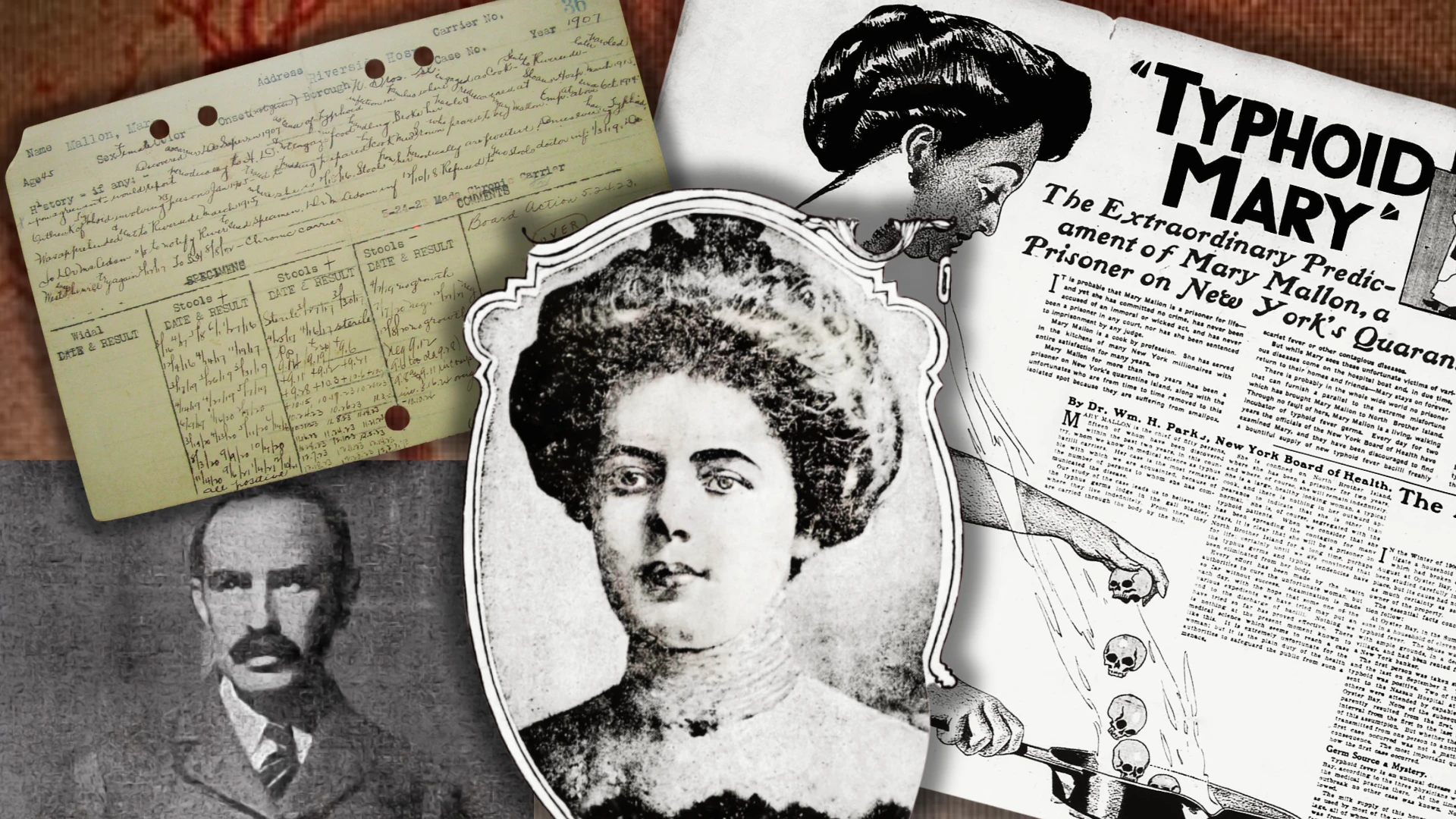
Mary Mallon infected at least 50 people across New York without once falling ill herself, then spent 26 years quarantined on an island she never willingly entered, while more than 400 other carriers walked free.
A Family Fell Ill in August
The summer of 1906 was supposed to be a pleasant one for the Warren family. Charles Henry Warren, a wealthy Manhattan banker, had rented a holiday home in Oyster Bay, Long Island, a property the landlord was anxious to keep in good standing.
Within a week of August, six of the eleven people staying in the house were bedridden with typhoid fever. In a fashionable Long Island resort, among a prosperous family with every sanitary advantage, that was nearly impossible. It happened anyway.
The landlord, George Thompson, moved quickly, not out of concern for the sick but out of concern for future rentals. Several investigators swept through the property testing the water supply, the drains, the ice. All cleared. Suspicion briefly landed on an elderly woman selling clams nearby.
She was ruled out when families who had bought her shellfish showed no symptoms. The investigation had exhausted its answers. That was when sanitation engineer George Soper was brought in.
Soper Followed Every Trail Back
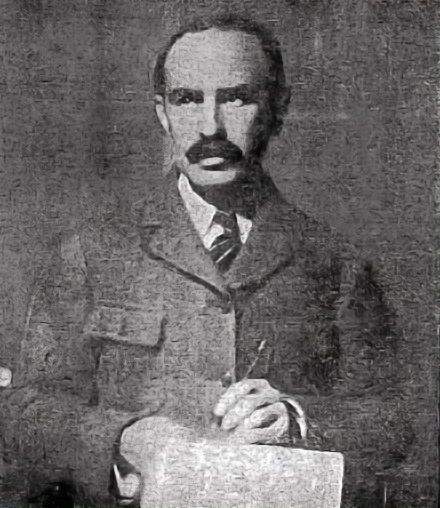
Soper had already spent years specializing in typhoid outbreaks across New York City. He knew the disease’s patterns. Working backward through the Warren household timeline, one detail refused to be explained away: cases had appeared shortly after the family hired a new cook, and the cook had quietly departed soon after the first patient was diagnosed, leaving no forwarding address for her former employers.
Soper pulled records. He found she had worked for eight families between 1900 and 1907. Typhoid had followed her to seven of them. A laundress dead in Manhattan, 1901. Seven of eight members ill in a lawyer’s household.
Four servants and another laundress after that. He traced her through the household of Henry Gilsey, through three years of movement across the city’s wealthiest addresses. He formed a theory that was, at the time, almost entirely without medical precedent: an asymptomatic carrier. A person capable of transmitting lethal bacteria without ever displaying a single symptom herself.
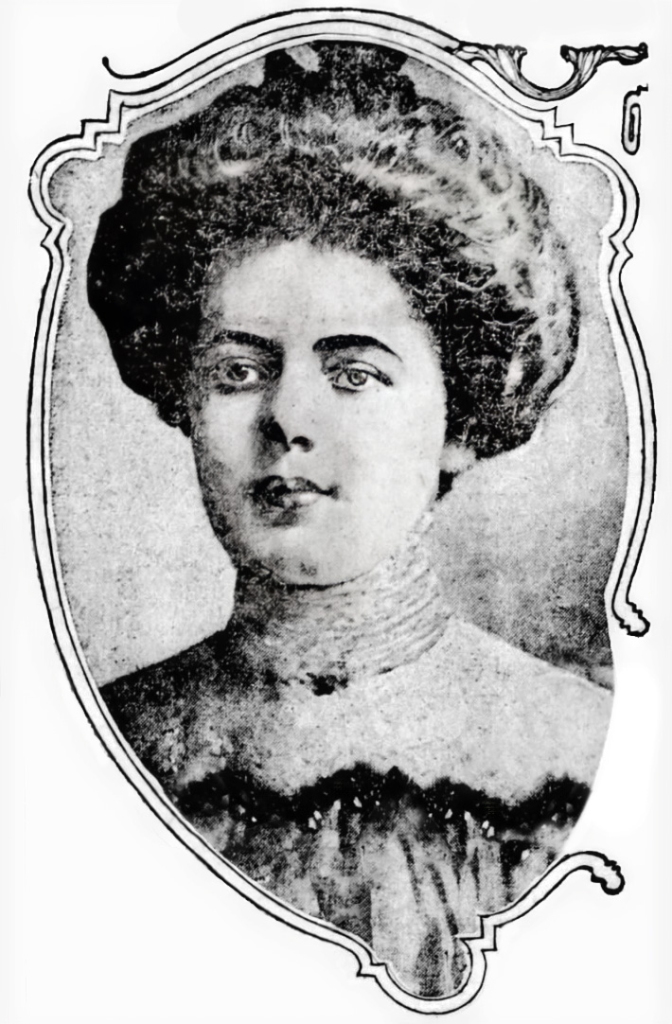
Soper traced the woman to a Park Avenue household, where a servant was already sick and the family’s daughter was dying. Her name was Mary Mallon. She was 37 years old, Irish-born, and had spent more than two decades building a life in America. She had no idea what was coming.
Mallon Refused and Was Forced
When Soper introduced himself and asked Mallon to provide samples of her urine, feces, and blood, she reached for a carving fork. He later described the encounter plainly: he passed rapidly down the narrow hallway and felt rather lucky to escape. He returned a second time with a medical doctor. Mallon refused again.
She was not being unreasonable. Germ theory was still contested outside medical circles. The concept of a healthy carrier was so new that even physicians struggled with it. At some point prior to Soper’s arrival, Mallon had voluntarily submitted to testing by a respected chemist, who had declared her free of any infection.
It is now believed the test was conducted during a period of natural remission in the bacterial cycle. She had that result in her memory. And now a stranger was appearing at her workplace, telling her she was responsible for deaths she had never witnessed, in households she had already left. Her entire livelihood depended on her reputation as a cook.
There was another layer to Mallon’s response that the record does not always acknowledge. She had arrived in New York in 1883 or 1884, one of the millions of Irish who emigrated throughout the 19th century. Anti-Irish sentiment in the city was not a distant memory. Signs reading “No Irish Need Apply” had been standard within her own lifetime. Churches had been burned. Mob violence had taken lives.
For Mallon, Soper’s demands may have felt like one more iteration of a pattern she already knew: an institution identifying her as a problem, demanding something degrading, and threatening her stability if she refused.
Soper reported Mallon to the New York City Health Department and warned them they would need force. They sent Dr. S. Josephine Baker to offer one final peaceful request. Mallon refused. The police were called. What followed was a five-hour chase before Mallon was physically carried into an ambulance.
Baker later wrote that the ride to Willard Parker Hospital was like being in a cage with an angry lion, and that she was compelled to sit on Mallon the entire way to keep her restrained.
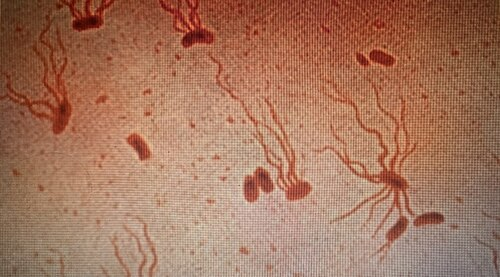
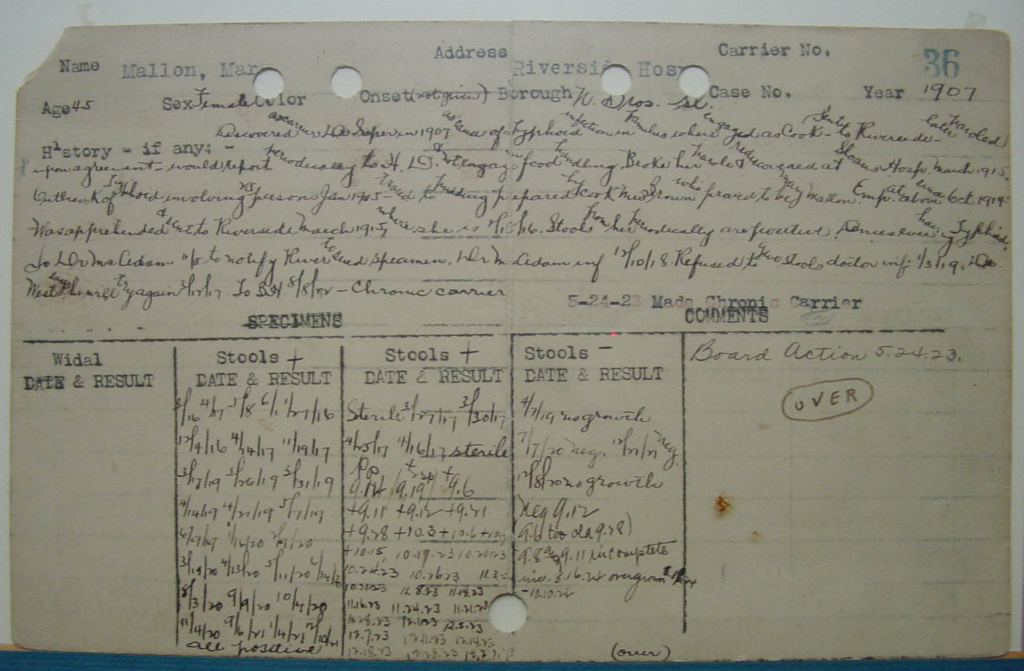
Her samples, taken under compulsion, were tested three times a week from March to November. Most returned positive for the typhoid bacillus in large quantities. Some returned negative, which is consistent with the cyclical nature of the bacteria and explains the earlier clean result she had trusted. The evidence was conclusive.
Mallon was transferred to a small cottage on North Brother Island, a quarantine facility in the East River that also housed patients suffering from tuberculosis, smallpox, and yellow fever. No trial. No formal hearing. No charges. She was a public health threat, and the authorities acted accordingly.
The City Made Her Famous and Left Her Stranded
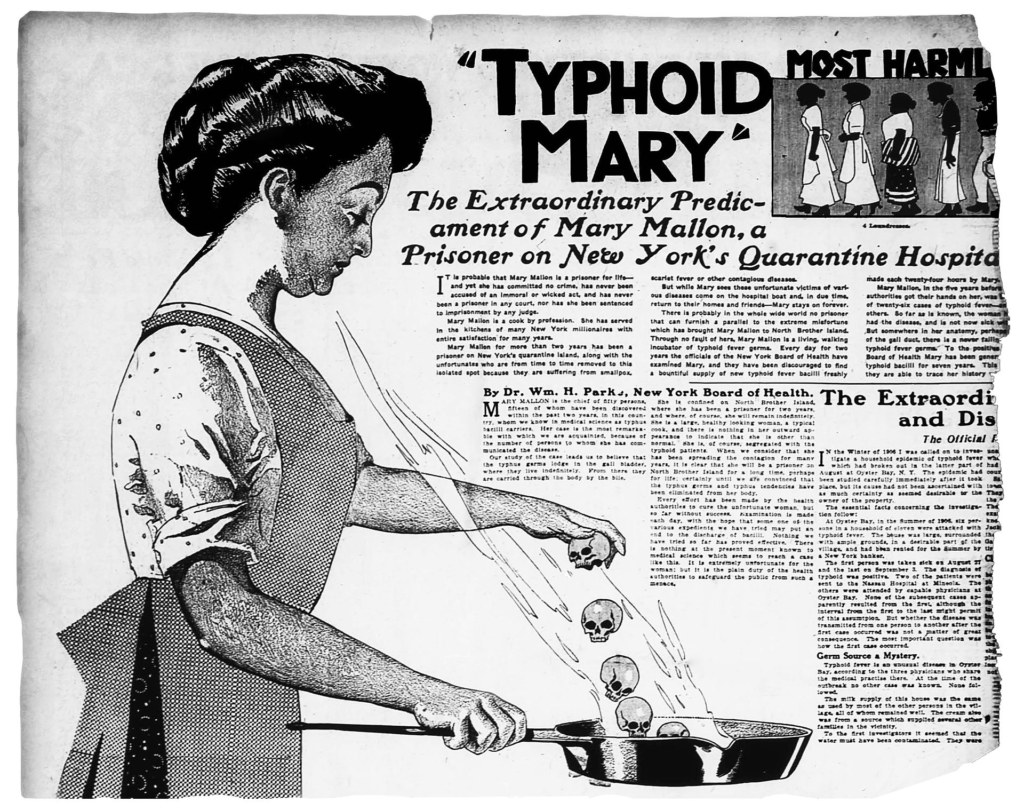
Soper published an account of his investigation in the Journal of the American Medical Association. The press found it immediately. The nickname Typhoid Mary appeared in print not long after. Mallon despised it. When Soper visited the island and told her he intended to write a book about the case and share the royalties with her, she locked herself in the bathroom until he left.
She remained on the island for nearly three years before filing suit for her release. The courts declined, citing the medical findings and, more plainly, their own reluctance to bear any future liability. In February 1910, the New York State Commissioner of Health negotiated a compromise: Mallon could return to the mainland if she agreed never to work as a cook again, checked in with authorities every three months, and took care around others.
She agreed. She was released. She disappeared.
What followed is not straightforwardly a story of defiance. Mallon found work in laundries and other professions where she posed no food-handling risk. The pay was less than half what she earned as a cook. An infected arm injury then put her out of work entirely for six months. There was no welfare system available to her.
And critically, when she had been released, she had been given a prohibition but not a replacement. No one had provided specific instruction on how to disinfect herself, how to manage the bacteria, or how to retrain for other work. She was told what she could not do. She was given nothing to do instead.
She went back to cooking. Using the names Mrs. Brown and Marie Breshof, she took positions in a hotel, a sanatorium, and a Broadway restaurant. She appeared to believe that the authorities had made her a scapegoat for outbreaks with many possible causes. She did not accept that she was genuinely the source.
The Second Arrest Broke Something
In 1915, Dr. Edward B. Cragin, an obstetrician at the Sloane Hospital for Women, approached Soper with a suspect. More than 20 people at the hospital had developed typhoid. Two had died. He had a description of the cook and a sample of her handwriting. Soper identified Mallon at a glance.
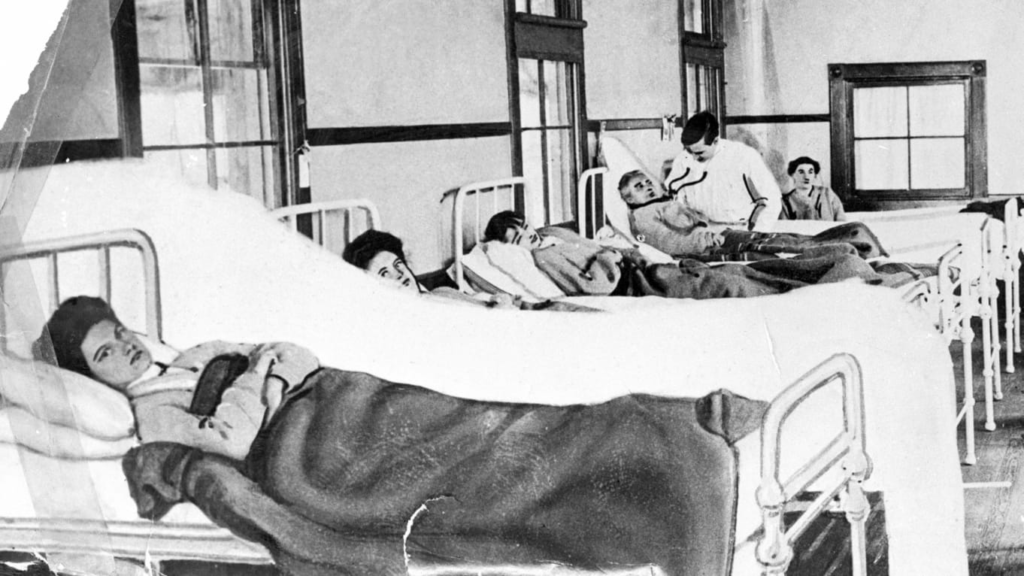
She was arrested and returned to North Brother Island. This time, Soper noted something different in her. The anger was largely gone. He wrote that she had been advertised to the world as dangerous, treated worse than a criminal, and had never once been guilty of violence toward anybody. She had become, somewhere in the intervening years, resigned. She settled into the island’s routines. She was given a job as a laboratory technician, running tests and maintaining records. She was eventually allowed day trips to the mainland, which she took, and from which she always returned.
What remained of her inner life survives only in fragments. In one surviving letter, she described her first confinement in terms that were clinical in their misery: the shock of arrest had caused an eye twitch that progressed to the paralysis of one eye, a condition that went untreated for some time. She wrote about doctors who urged the removal of her gallbladder, then quietly admitted to her that the surgery might not even work.
She wrote that she had become a peep show. That even the hospital interns came to observe her as a curiosity. That a physician had illustrated her case in Chicago and she wondered how that physician would feel about being displayed in a medical journal and given a nickname.
She suffered a stroke on Christmas morning in 1932. She was found paralyzed on the floor of her cottage and moved to the island’s hospital, where she lived another six years before dying on November 11, 1938. Advertisements ran in several newspapers for a month, appealing for relatives to come forward and claim the small amount she had left behind. No one responded. Nine people attended her burial at St. Raymond’s Cemetery in the Bronx.
The Arithmetic of the Quarantine
By the time Mallon died, New York health authorities had identified more than 400 other asymptomatic typhoid carriers within the city limits. None of them were quarantined. None of them spent decades on an island. The distinction between Mallon and every carrier who walked free was not the severity of the risk she posed. It was the newspaper nickname.
There is a postscript to the record that cannot be cleanly resolved. A rumor persisted after her death that an autopsy had revealed a massive concentration of typhoid bacteria in her gallbladder, implying that the surgery she had refused might have cured her entirely. Soper disputed the autopsy’s existence. Other researchers said it occurred. Which account is accurate is impossible to determine. The rumor is convenient for those who wish to justify the imprisonment. Its uncertainty is more honest than its conclusion.
Typhoid fever still infects an estimated 16 million people globally each year. Between one and six percent of those cases produce healthy carriers, people capable of spreading the disease without ever knowing it. By the low estimate, that is 160,000 people alive right now carrying what Mary Mallon carried. Most of them have never heard her name. None of them have been sent to an island.
