
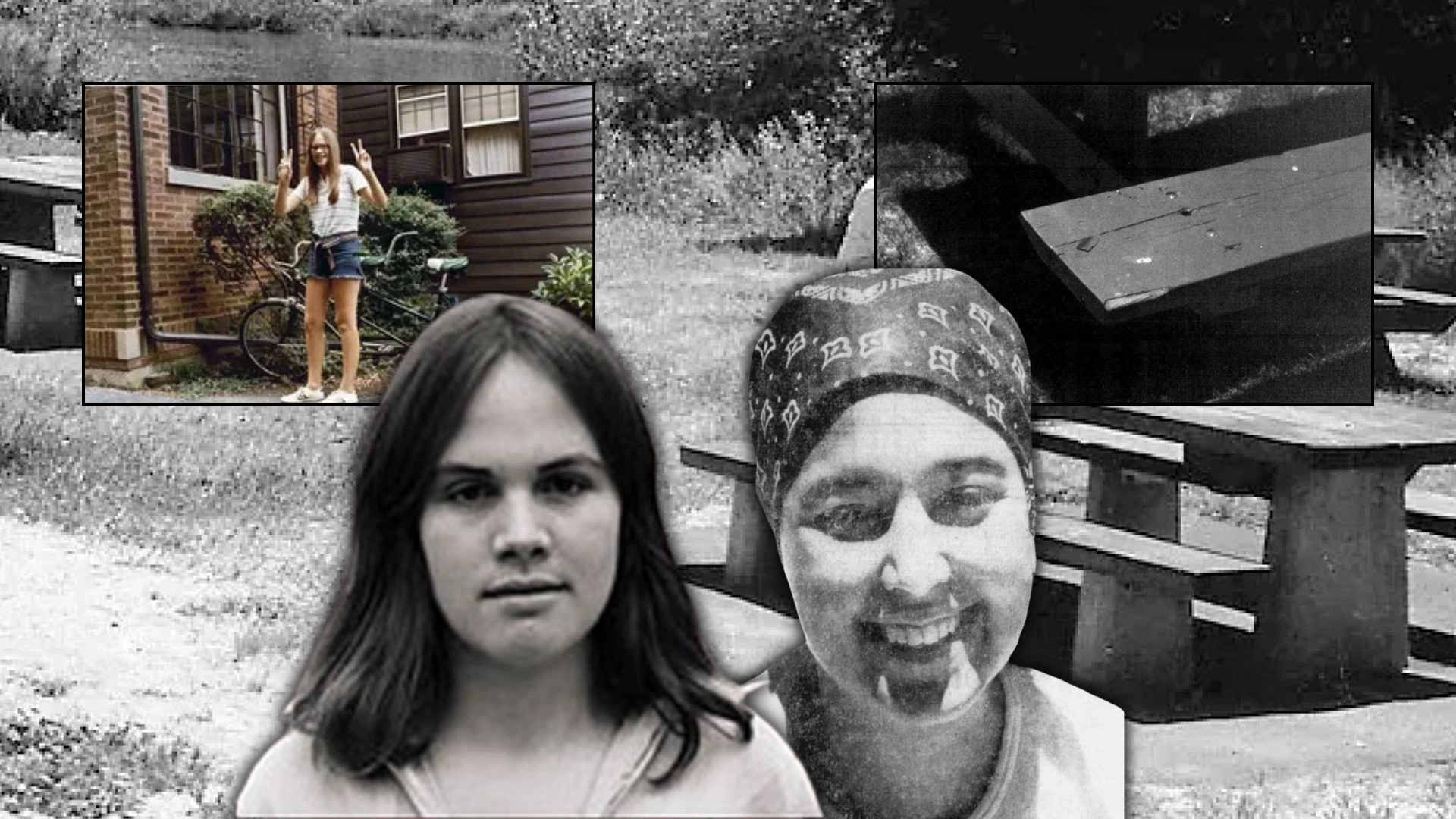
At 11:30 p.m. on June 22, 1977, Terri Jentz woke to a sound she could not identify and a pain that did not make sense. She was inside her tent at Cline Falls State Park, near Redmond, Oregon. She could not move. A pickup truck’s tire was pressing her chest into the ground. Both of her arms were already broken under its weight. One man climbed out of the vehicle. He was neatly dressed in cowboy clothes, sleek and well put-together, she would later recall. He was carrying an axe.
A Summer of Promise
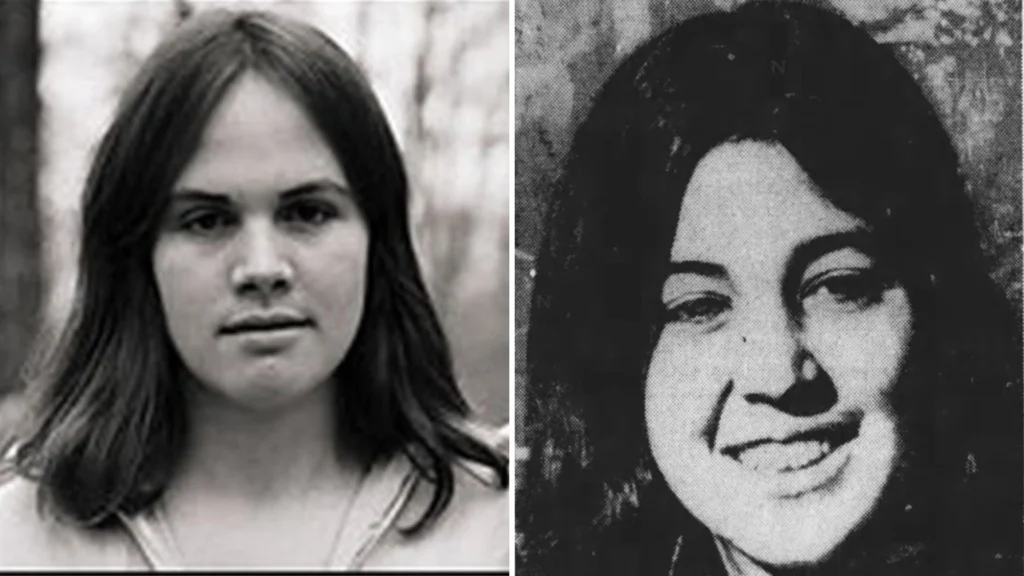
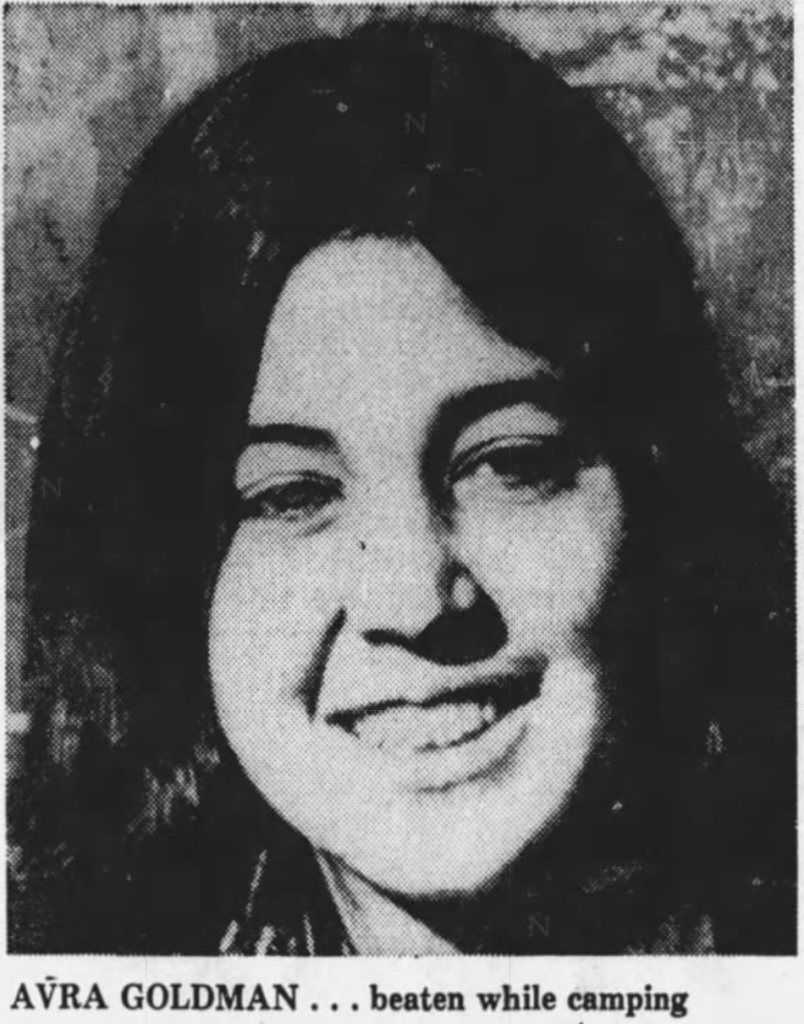
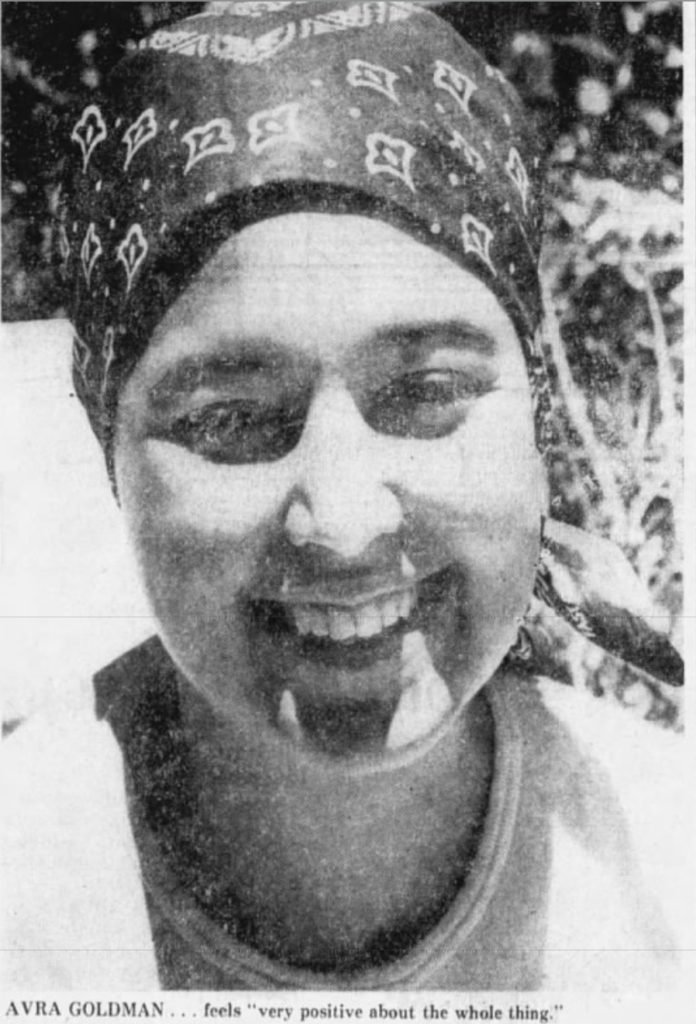
Terri Jentz was 19 years old and had just finished her sophomore year at Yale University when she and her roommate, 20-year-old Avra Goldman, decided how to spend the summer of 1977. Goldman, raised in Wellesley, Massachusetts, was studying pre-medicine. Jentz, from Western Springs, Illinois, had the instincts of a writer and an appetite for the kind of America that existed outside campus walls. Together, they planned to cycle the newly opened TransAmerica Trail, a 4,200-mile route running coast to coast. They started in Astoria, Oregon, pointed their bikes east, and began.
Jentz later described the ambition behind the trip in the language of the era: the Eagles, Fleetwood Mac, the rock songs that promised anything was possible if you went out and made it happen. The trail had only been designated the year before, as part of America’s bicentennial celebrations. It was exactly the kind of open road the moment seemed to call for.
They were seven days in when they reached central Oregon’s high desert and rolled into Cline Falls State Park along the Deschutes River.
The Night at Cline Falls
The park had been full earlier on the evening of June 22. Young couples drove through. Teenagers drank and moved through the summer dark. By nightfall, Jentz and Goldman were the only campers left. The sudden emptiness unsettled them in a way they could not quite account for. Jentz later described it as an eerie feeling, a sense of being watched without any visible source. They talked it through between themselves, reasoned themselves past it, and went to sleep.
At 11:30 p.m., Jentz woke to the sound of a truck pulling into the campsite. In the same moment the tent collapsed around her and the wheel crossed her chest. Her first thought was teenagers who had been drinking, swerved off the road by accident, hadn’t seen them. She waited for voices, for running footsteps, for someone coming to help. One door opened. One person got out.
He was walking toward Goldman.
Goldman screamed at him to leave them alone. She screamed a second time. Jentz, pinned under the wheel with only her neck free, managed to crane it far enough to watch the man raise the axe above Goldman’s head and bring it down. He struck her six times. Then he turned and walked back toward Jentz.
She looked up at him and said, “Take anything, but leave us alone. Please leave us alone.” He raised the axe above her chest and brought it down slowly. She caught the blade in her bare hands above her heart, gripped it, and held it long enough for him to pull it back. For reasons that have never been explained, he stopped. He climbed back into the truck and drove away, the wheel crossing Jentz a second time as he left.
She pulled herself free and crawled to Goldman, who lay several feet from where they had pitched the tent, half covered by her sleeping bag, not moving. Jentz reached for the back of her head and felt the cavity where the skull had been caved in. She understood what that meant. She turned toward their bicycles and tried to unlock them. Her arms would not respond. Both were broken.
Headlights appeared on the road. She threw herself toward them.
Rescue
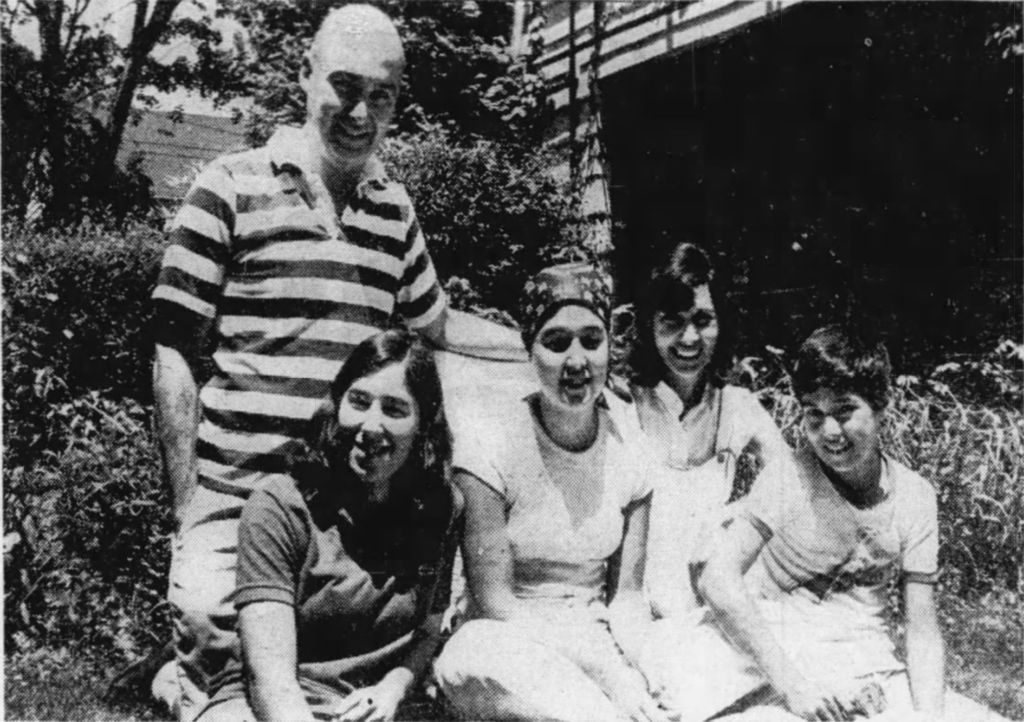
The car belonged to Bill Penhollow and Darlene Gervais, two teenagers passing through the park. Gervais later recalled that Jentz was so drenched in blood it was dripping from the ends of her hair. They followed her back to the campsite, found Goldman on the ground, and loaded both women into the back seat. Then another set of headlights appeared at the far edge of the park. Penhollow and Gervais went still, certain it was the attacker returning to finish what he had started. The vehicle paused. Then it turned and drove away.
Goldman went directly into emergency brain surgery. The operation lasted nine and a half hours. Jentz had both arms broken, one leg broken, her collarbone and several ribs fractured, and her lungs crushed. The axe blade had sliced through the skin of her forearm and into the bone beneath. Both women survived. Goldman was left with permanent damage to her vision and no memory of the attack. Jentz remembered all of it.
In September 1977, Goldman’s parents donated $3,000 to St. Charles Medical Center in Bend, directed into a critical-care monitoring fund established in the names of Penhollow and Gervais.
The Investigation Stalled
Police arrived at the campsite after midnight on June 23 and found almost nothing they could work with. The tire impressions in the dirt indicated that the vehicle likely had two completely bald rear tires, each six inches wide. One front tire appeared to have tread; the other may have been bald as well, but had not made a clean enough impression to determine. There were no other physical traces at the scene.
Within weeks, the community of Redmond had converged on a name. Richard Damm, a 17-year-old local who went by Dick, was brought in for questioning. His then-girlfriend, Janey Fraley, told investigators that the hatchet Damm kept in the toolbox of his pickup was missing. She told them she believed he was responsible. Redmond believed her. From then on, the name people in the community used for him was Dick Damm the Hatchet Man.
Investigators questioned Damm multiple times. He never produced an alibi for the night of June 22. He gave them nothing. By that point, investigators had also established that the day after the Cline Falls attack, Damm had beaten Fraley in a fight so violent her father pressed criminal charges. Court testimony confirmed that Damm had been physically and emotionally abusive toward Fraley for the duration of their relationship. The judge advised Fraley’s father to drop the charges. Both parties were still minors. Damm walked out without consequence.
When investigators examined his truck, they found he had already put on new tires. The old ones could not be located.
Two polygraph examinations followed. The first result was inconclusive. The second indicated deception, though that finding was complicated when it emerged that Damm had been under the influence of methamphetamine during the test. Disturbingly, the evidence was thin enough, and the community disconnected enough from investigators, that no charges were ever pursued. The statute of limitations on attempted murder ran out.
The case closed.
Jentz Sought Her Own Answers
Fifteen years after the attack, in 1992, Jentz went back to central Oregon. She had spent the intervening years processing the assault through rage, fear, and denial, moving around it without passing through it. Goldman had taken a different path. Despite the permanent damage to her vision, she had gone on to become a doctor. She retained no memory of Cline Falls and had no interest in recovering one. The friendship between the two women had not survived.
Jentz spent years conducting her own investigation, interviewing community members, chasing former residents, and working to rebuild the case from whatever documentation remained. When she contacted the Deschutes County Sheriff’s Department for access to the original records, she learned they had been inadvertently lost. The crime scene photographs, the physical evidence logs, and all 1977 interview transcripts were gone.

At one point during her investigation, Jentz walked into a diner in Redmond where Damm was sitting. She did not approach him. She had not been able to see his face clearly on the night of the attack, and she still could not confirm the memory. But she said she knew it was him from the way he carried himself and the way he dressed. She left without speaking.
Working with Bob and Dee Dee Kouns, co-founders of Crime Victims United of Oregon, Jentz testified before the Oregon Legislature in 1997 in support of a bill to abolish the statute of limitations on attempted murder. The bill passed. It was not retroactive. The Cline Falls attacker could never be charged under the new law.
She published her account in 2006 under the title “Strange Piece of Paradise,” which the New York Times compared to “In Cold Blood” and which was nominated for the National Book Critics Circle Award for Memoir. In it, she named her primary suspect under the pseudonym Dirk Duran, declining to use his real name so as not to, as she put it, glamorize him. She eventually sat in a courtroom and watched him convicted on unrelated charges. She never spoke to him.
Damm has been in and out of prison on unrelated offenses ever since. He has never been charged for Cline Falls. Goldman became a doctor and has not spoken publicly about the attack. Jentz returned to central Oregon many times, calling the high desert one of the few places where she felt fully alive.
To this day, no one has ever been prosecuted for what happened at Cline Falls State Park on June 22, 1977. Under the law as it stood at the time, no one ever can be.
