
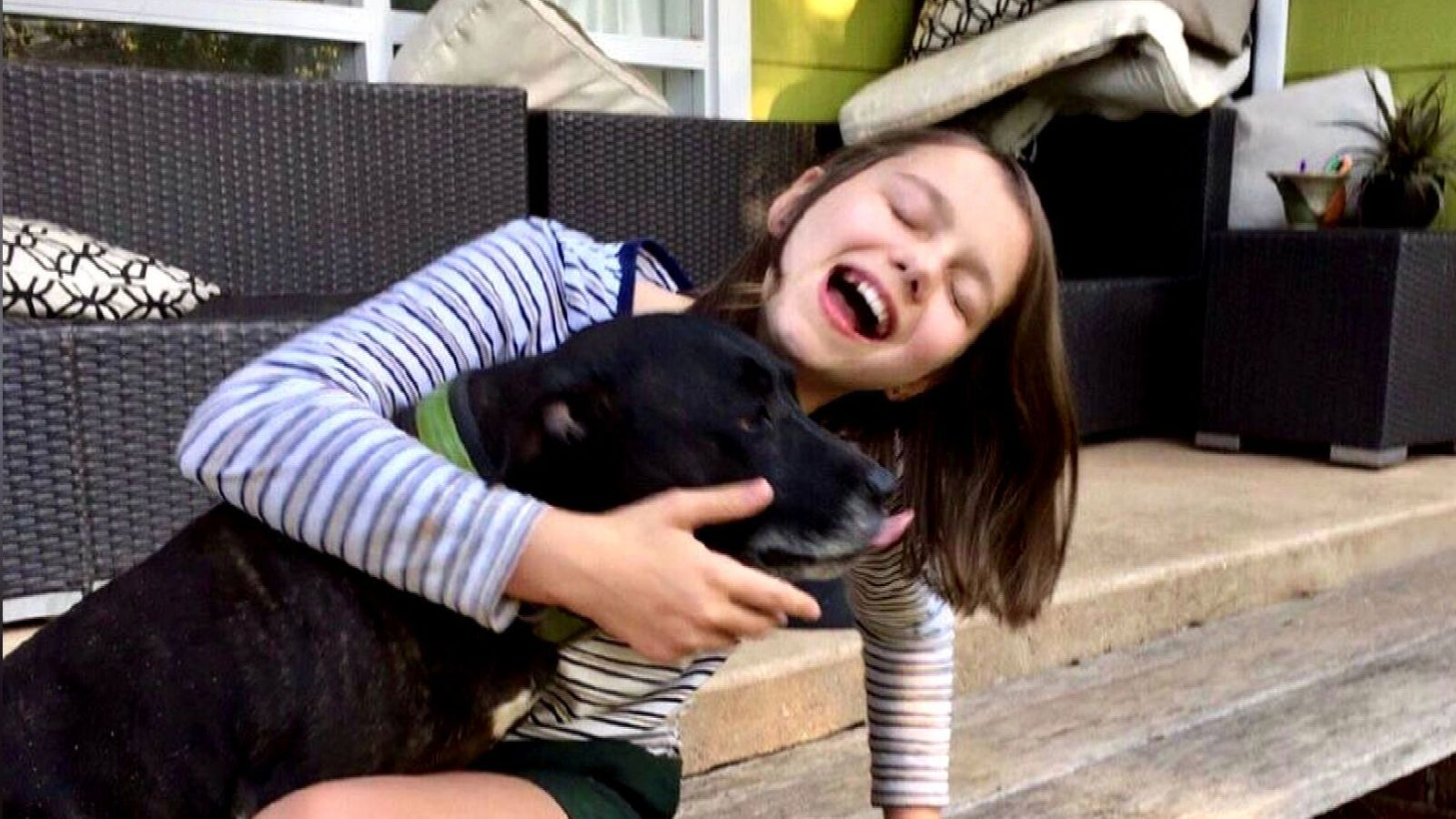
On the morning of July 8, 2020, Rebekah Porter was driving to work when her phone rang. Her former father-in-law was on the line, his voice wrong in a way she couldn’t place. “What’s happened to Bridget?” he asked. Before she could answer, a second call came through. It was Dominic, her ex-husband. He told her their daughter was dead.
Bridgette Porter, nicknamed Biddy, was 10 years old. She had been killed in the predawn hours at a rural property near Orange, New South Wales, by a teenager she knew. The attack was so violent that the New South Wales Supreme Court would later order all details of Biddy’s injuries suppressed from public view for 20 years. For the Porter family, what followed was not justice. It was a second punishment, administered by the institutions that were supposed to protect them.
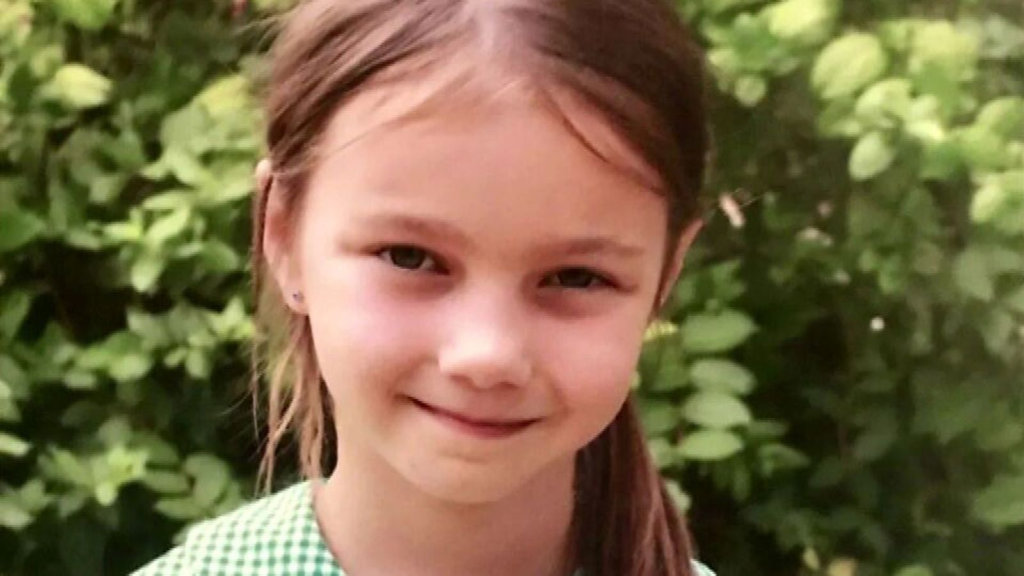
A child full of promise
Biddy Porter was the youngest of three children and the only daughter of Rebekah and Dominic Porter. She had covered the walls of her bedroom not with pop stars or television characters but with photographs of Australian journalists, women whose work she studied and whose careers she intended to follow. Writing came naturally to her. She was known at her Orange primary school for clever, empathetic essays that surprised her teachers with their emotional precision. Her father, Dominic, described her as highly intelligent and highly gifted, with great musical talent. Her mother, Rebekah, said she was funny, caring, and an incredible writer.
But it was a single moment at school that captured something essential about who Biddy was. When she saw an older student bullying a younger child in the playground, she stepped between them. She told the bully to stop. She was a small girl defending someone smaller still, with no calculation about what it might cost her. That was at age nine. It was the last year of her life.
She loved animals, poetry, art, and music. She had only stopped sleeping in her parents’ bed the year before she was killed. It is a detail Rebekah cannot stop thinking about.
The morning of July 8
At approximately 6:30 a.m. on July 8, 2020, during the first week of the New South Wales winter school holidays, Bridgette Porter was killed at a rural farmhouse in the Orange region of the state’s central north. She was 10 years old. The teenager who killed her was 14 and had been known to Biddy. Police arrested the perpetrator within hours.
What exactly happened inside that farmhouse cannot be legally described. The Supreme Court of New South Wales placed the details of Bridgette’s injuries under suppression order. Those details will remain sealed until 2040.
When police told Dominic Porter that his daughter was dead, he punched a wall. Rebekah Porter, upon receiving the news while driving to work, said her body shut down completely. For six weeks she could not feed herself. She could not dress herself. She had spent years working as a mental health support worker, helping others through crisis. She has not returned to work since the morning of July 8.
Dominic has not returned to work either.
The verdict that broke them
In 2021, the case reached the New South Wales Supreme Court. The perpetrator, who had confessed to Biddy’s killing, was found guilty of murder. She was also found not criminally responsible, on the grounds of mental illness. No prison sentence followed. She was placed in a forensic mental health facility, where she remained under treatment and the authority of the Mental Health Review Tribunal.
The MHRT, as it is known, held the power to determine the perpetrator’s future. It could grant her leave. It could one day release her into the community. And disturbingly, it could do so without the Porter family being meaningfully consulted. Under the system that governed the case at the time, the tribunal reviewed the perpetrator’s status every six months. Every six months, Rebekah and Dominic Porter were required to relive the death of their daughter with almost no formal rights over the outcome.
Less than three years after Biddy’s killing, the perpetrator was granted escorted day release to public places, including places where children might be present. The Porters were not notified in time to secure legal representation and contest the application. They learned what had happened after the fact.
Rebekah Porter’s response was measured and precise. “My daughter’s been killed,” she said. “Her name’s been suppressed. Her injuries have been suppressed. This person is out here getting day release. This is not what was promised to me.”
A name the law erased
Under New South Wales law, the name of a child murder victim cannot be published without the consent of their senior next of kin. The law exists to protect children’s privacy. In Biddy’s case, it had a different effect. For four years it made her invisible. Her killer was shielded by separate suppression orders protecting the identity of underage offenders. The result was a system in which the perpetrator’s name could not be published for legal reasons, and the victim’s name could not be published either, but for an entirely different set of legal reasons. Biddy Porter was erased from public awareness while the person who killed her was actively protected by the state.
The Porter family sought answers from the Office of the Director of Public Prosecutions. The DPP had declined a guilty plea to manslaughter and proceeded to a murder charge that resulted in a finding of not criminally responsible. Rebekah and Dominic wanted to understand how that decision had been reached. They requested access to the 41-page brief of evidence. The DPP refused, citing the distressing nature of the content.
Victim Services provided each parent with $7,500 in recognition payments. Most of the counselling sessions they were entitled to were unavailable in their regional area. Both have since been diagnosed with severe anxiety and complex post-traumatic stress disorder. Neither is likely to work again.
Rebekah said it plainly: “It can be such a horrific crime, but your child is just completely forgotten, unknown, and swept aside.”
Four years of silence ended
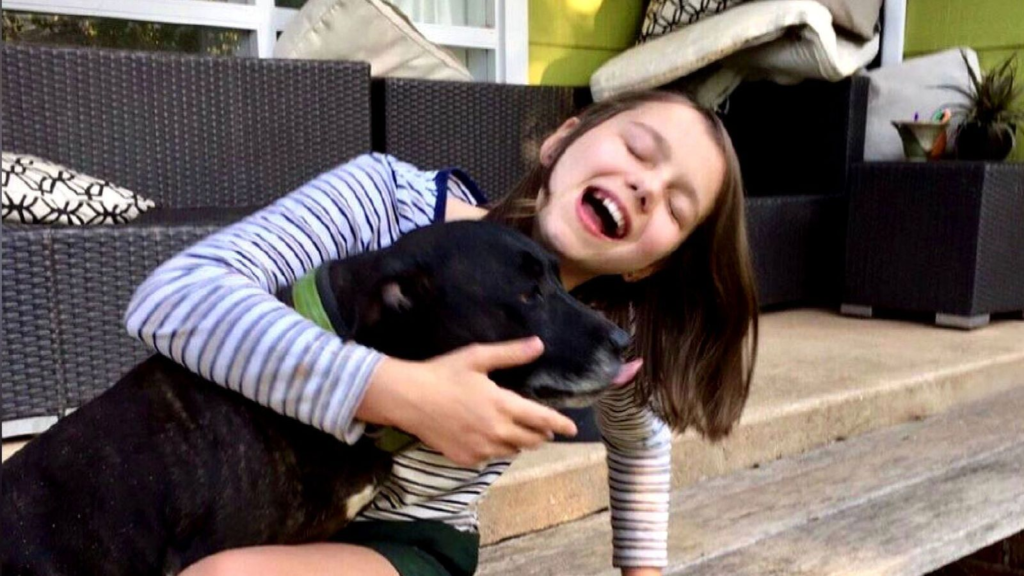
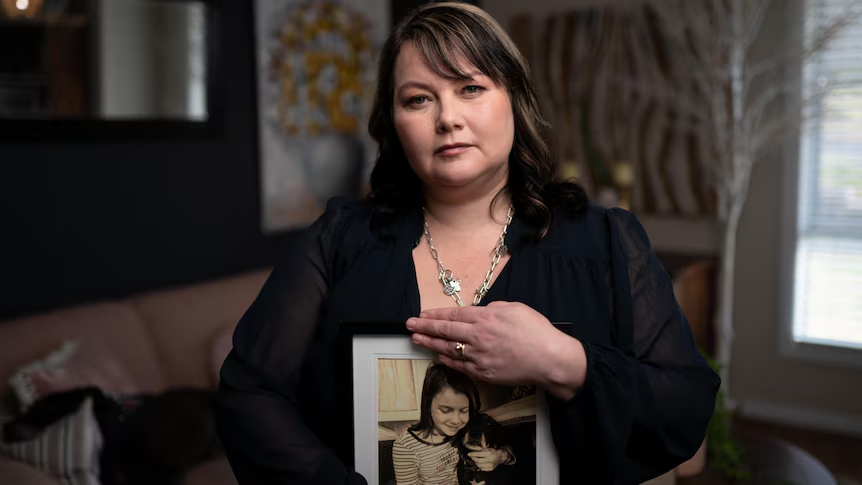
On July 8, 2024, exactly four years after their daughter’s death, Rebekah and Dominic Porter gave permission for Biddy’s name and photograph to be published. They launched the Justice for Biddy Porter campaign with the support of Advocacy Australia and independent Orange MP Philip Donato. For the first time since 2020, Bridgette Porter had a face the public could see.
The campaign demanded parliamentary inquiries into the DPP’s handling of the case and the MHRT’s operations, a coronial inquest into Biddy’s death, and substantive reform of Victim Services for families in regional areas. The response came quickly and from across the country. The formal NSW Parliament petition gathered 21,550 signatures. A Change.org petition collected a further 18,454 from interstate and internationally. The combined total exceeded 40,000.
On October 17, 2024, the petition was debated in the New South Wales Parliament. MP Donato presented Biddy’s case to the chamber. Other MPs spoke to its failures. Rebekah Porter listened to every word. When it was over, she described the experience in the language of restoration. “It’s given Biddy back her name, her precious name, her voice, and her identity,” she said, “which was erased four years ago to protect her killer.”
Advocacy Australia chair Clare Collins addressed the broader question in a single sentence. “With such significant public support, if the government fails to act, one must ask what it will take to deliver justice and essential change.”
The law changed
Thirty-five days after the parliamentary debate, New South Wales Minister for Mental Health Rose Jackson introduced the Mental Health Legislation Amendment Bill 2024, targeting the MHRT system that had governed Biddy’s killer’s detention and supervised release. The bill passed Parliament on February 19, 2025. It was assented to on March 2, 2025.
In late November 2024, NSW State Coroner Magistrate Teresa O’Sullivan confirmed that a coronial inquest into Bridgette Porter’s death would be held. The inquest is scheduled for mid-2026. It will examine the circumstances of Biddy’s killing and determine whether systemic failures contributed to the tragedy. Rebekah Porter told reporters she believed her daughter’s death was preventable.
“By exploring what we’ve gone through as a family after Bridgette died,” she said, “and how the systems work, we can look to reform it for other victims in the future.”
Biddy Porter covered her bedroom walls with photographs of journalists because she believed that telling the truth about the world was a worthy way to spend a life. She was 10 years old. She was spending the first week of the school holidays at a rural property near Orange when she was killed. She never came home.

The corrupt System is broken in every level of government sectors including police and councilor’s and seriously needs an overhaul. So many innocent people are suffering injustices, so many lives destroyed and so many suicides because of this. Enough is enough. The media can seriously make a difference for change, why aren’t they doing it?