
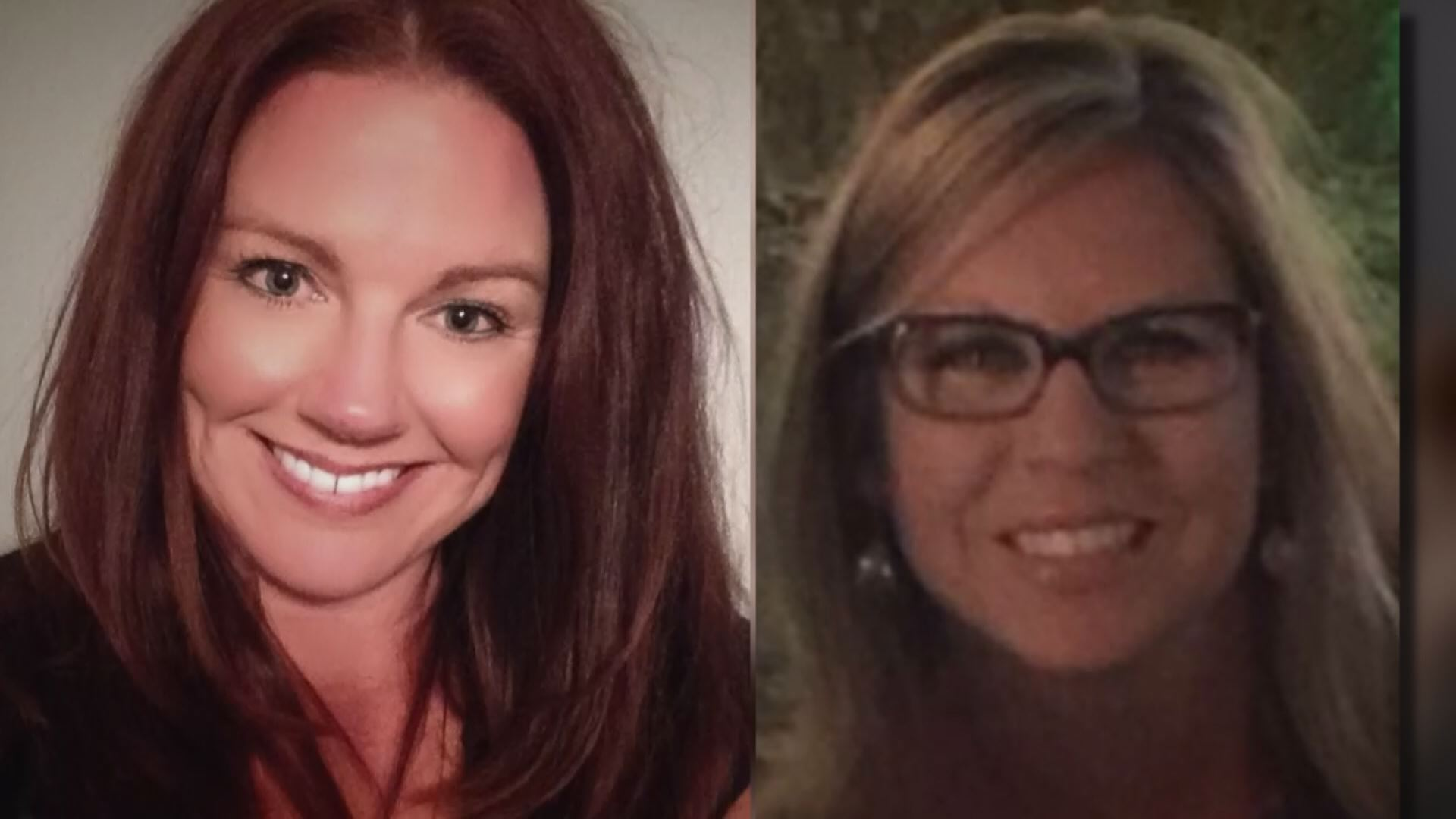
At 9:00 a.m. on August 27, 2015, Amanda Colley walked into her St. Augustine, Florida home on Mirabella Street and found drawers dumped, closets emptied, and rooms torn apart. Nothing was stolen.
Fearing someone had been inside, she called friends to come over so she wouldn’t be alone. By 10:36 a.m., a 911 call was made from a closet upstairs. Two women would not survive the hour.

A Marriage Under Surveillance
Amanda Colley was 36 in 2015 a corporate professional, mother of two young children, and well known in her Mirabella neighborhood. She and her husband, James Colley Jr., appeared to have built a stable life in the upscale cul-de-sac community, where neighbors regularly saw him playing with the children outside.
Behind closed doors, the marriage was unraveling.
By June 2015, the couple had separated. Amanda leaned on friends for support. James responded with fixation. He questioned who came to her house, monitored her movements, and focused intensely on Lamar Duberly, a former colleague who began helping Amanda after the separation.
Lamar was ex-military. He had attended the U.S. Naval Academy, studied at Marine Corps University, worked at the Pentagon, and later held a corporate management role at Fanatics the same company where he met Amanda professionally. To James, Lamar became the embodiment of replacement.
James’s messages grew frequent and hostile. He accused Amanda of hiding a relationship, referenced neighbors watching her, and hinted at confronting Lamar directly. One message referenced a photo of Lamar mowing Amanda’s lawn, taken by a neighbor and sent to James. The jealousy escalated despite the separation and despite the fact that James himself was seeing someone else.
Amanda sought legal protection. A domestic violence injunction was issued. James violated it, entering her property, taking her clothes, and setting them on fire in the yard. That violation sent him back to court.
On the morning of August 27, 2015, James appeared calm before a judge. He denied being under the influence of drugs or alcohol. Less than an hour later, he would arrive at Amanda’s house armed.

The Night Before
At approximately 4:00 a.m., James broke into Amanda’s home while she was away. Nothing was stolen. Instead, drawers were emptied, closets searched, and rooms overturned. Investigators later concluded he was searching for evidence that she had moved on.
He found men’s clothing and personal items. The house was left deliberately ransacked.
After leaving, James texted Amanda. One message pleaded for forgiveness and reconciliation. Hours later, the tone shifted. He warned her not to take his children from him and ended with a threat: “Call me or I am going to come find you.”
That same morning, James appeared in court for violating the injunction. The hearing ended shortly after 9:30 a.m. He again denied intoxication and responded coherently on the record.
Amanda returned home around 9:00 a.m. Seeing the destruction, she called friends not police asking them to come over so she wouldn’t be alone. The injunction had already been violated once without preventing further access.
By mid-morning, Rachel Hendricks and Lindy Dobbins were inside the house. Lamar Duberly arrived shortly afterward. There were four adults inside the home when the attack began.

The Attack Inside Mirabella
After leaving the courthouse, James drove to a gas station, then to his sister’s house where he had been staying. He returned to the same gas station and then headed directly to Amanda’s home. By the time he arrived, he was armed with two handguns a 9mm and a .45 caliber.
James parked on an adjacent street and approached the house from the rear.
While driving, James called his father. A nearby dog walker overheard the call. His father pleaded with him to come back and calm down. James replied, “I just can’t take this anymore.”
Shortly after 10:30 a.m., glass shattered in the living room. Gunfire was coming from the backyard.
James was shooting into the house through the windows, yelling, “Where is he?”
Lamar Duberly immediately understood he was the target. He ran through the garage, ducked under the closing door, and escaped between neighboring houses. He was not physically injured.
Inside, Amanda, Lindy Dobbins, and Rachel Hendricks ran upstairs. Amanda hid in the bathroom. Rachel and Lindy barricaded themselves in the master closet.
James entered the house and went upstairs. At 10:36 a.m., Rachel called 911 from inside the closet as James confronted Amanda, demanding Lamar’s location. She said she didn’t know.
A gunshot followed.
James forced open the closet. Lindy was on her knees. He shot her three times with the 9mm, emptying the magazine. He then switched to the .45 caliber handgun.
Rachel tried to hold the door shut. James fired through it, striking her arm. She fled the house bleeding and escaped to a neighboring home.
Amanda was shot nine times. The medical examiner later testified she remained conscious throughout the shooting.
By the time police arrived, James had fled. Two women were dead. Two others had survived.
Flight, Capture, and Trial
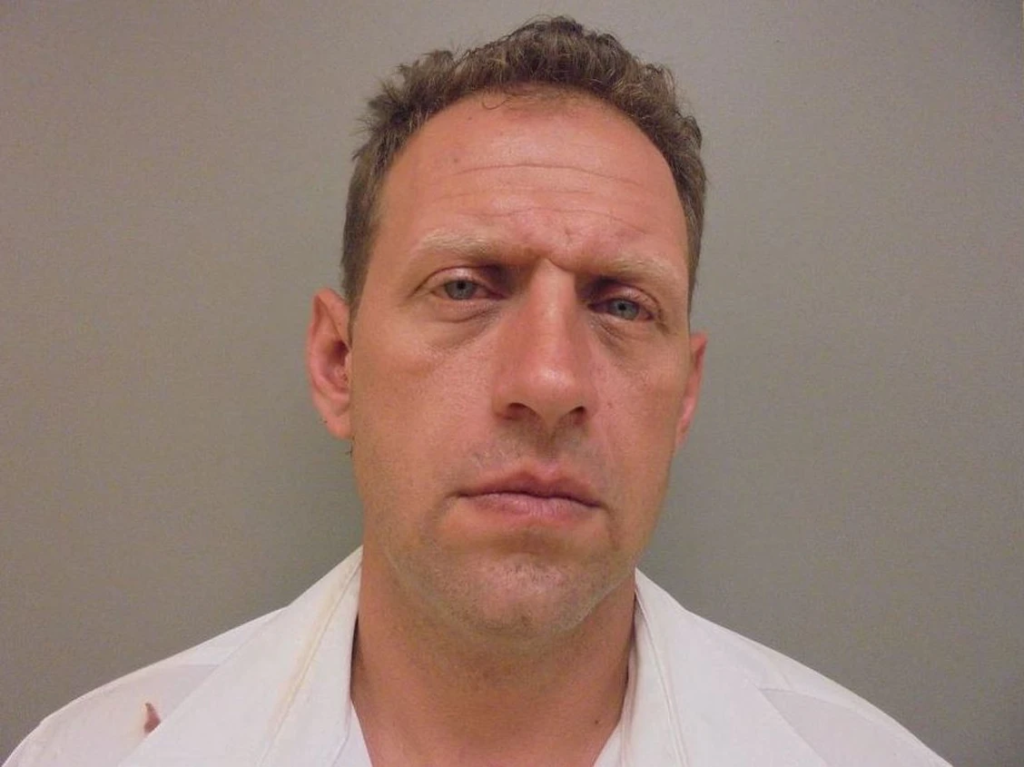
James fled Florida. A statewide alert was issued, and his vehicle was entered into national databases.
That evening in Norton, Virginia, a woman called 911 reporting a man driving recklessly who nearly forced her off the road while her children and newborn were in the car. Police stopped the vehicle and found James inside with multiple firearms and ammunition.
A records check confirmed he was wanted for homicide in Florida. He was arrested without incident and extradited.
James was charged with two counts of first-degree murder, two counts of attempted first-degree murder, burglary with assault, burglary of a dwelling, and aggravated stalking in violation of an injunction.
At trial, the defense argued the killings were not premeditated, claiming James was in an altered mental state due to alcohol, prescription sleep medication, and parasomnia. Prosecutors presented evidence of planning, the overnight break-in, written threats, the gas station stops, the two firearms, his court appearance that morning, and his coherent statements to the judge.
The jury rejected the defense and unanimously recommended the death penalty.
What the System Missed
In November 2018, James Colley Jr. was sentenced to death. The jury cited four aggravating factors, including multiple murders committed in a single episode, the killings occurring during a burglary, their especially heinous nature, and clear premeditation. His sentence was upheld on appeal in 2020.
The warning signs were documented. The injunction existed. It had been violated. James appeared in court less than 90 minutes before the attack.
None of it stopped him.
Amanda’s two children went to live with their grandparents. Lindy Dobbins’s three children ages 16, 10, and 9 remained with their father. Rachel Hendricks survived with a gunshot wound. Lamar Duberly survived by seconds.
The system recorded everything. It just didn’t act fast enough.
The Aftermath
In the days that followed, Mirabella went quiet. Neighbors replayed timelines, texts, court appearances, and police records, searching for the moment intervention might have changed the outcome.
Investigators concluded the attack followed a clear escalation pattern separation, surveillance, threats, a violated injunction, a break-in, then homicide. Each step was documented. None triggered immediate containment.
For the families left behind, no policy discussion mattered.
The violence ended exactly where it had been building inside a home meant to be safe.
