
In May 2015, burglars broke into an isolated farmhouse in Askeaton, County Limerick. The house had no electricity. No heat. No sign of life.
Upstairs, they found two bodies lying side by side on a bed. Both were badly decomposed. One was Thomas Ruttle, a local beekeeper. The other was his wife, known to neighbors as Julia Ruttle.
Police removed firearms, bottles of chemicals, and twenty handwritten notes from the kitchen. One message read: “If you find us, don’t revive us.” It was signed by both.
Forensic tests later confirmed the woman’s true identity. She was not Julia Ruttle.
She was Cecilia Julia McKitterick. Also known as Julia Holmes. Also known by dozens of other names.
For more than forty years, she had lived as a con-artist across Ireland, Britain, and the United States. She had been wanted by police in two countries, exposed by victims online, and was facing imminent arrest again.
Then she vanished.
No missing person report was filed. No relatives raised concern. No friends reported her absence. For nearly two months, nobody realised she and Tom Ruttle were dead inside the farmhouse.
The discovery came only when burglars entered the house and opened the bedroom door.
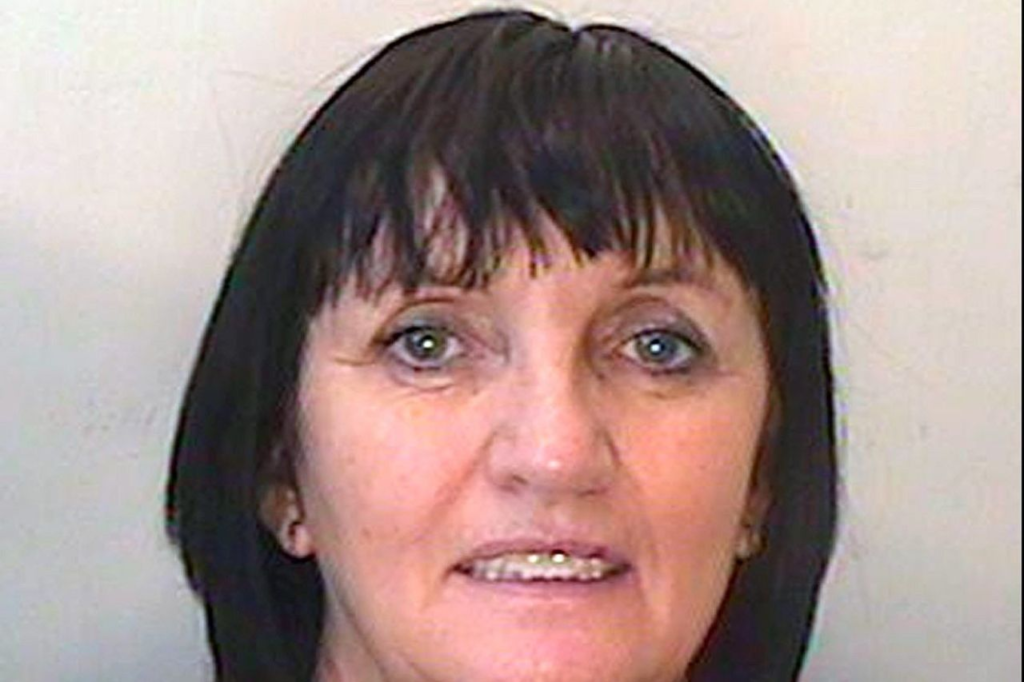
Cecilia Julia McKitterick was born on February 7, 1952, in Castlederg, County Tyrone, just a few kilometres from the Irish border. It was a small, remote village. She later told neighbours it was too small for her ambitions.
As a teenager, she boasted she would become wealthy and successful once she escaped Castlederg. Reinvention was already part of the plan.
In 1971, aged nineteen, she married. In 1972, she gave birth to a son. Within months, she left. She never divorced her husband. She abandoned the six-month-old child, leaving him to be raised by his paternal grandparents. He never heard from her again.
She began calling herself “Julia.” Then “Julia Holmes.” To new acquaintances, she claimed her husband and baby had died — sometimes in a house fire, sometimes from cancer. The details shifted, but the outcome was the same: no past, no ties, no accountability.
She moved to Liverpool. Later, London. Police sources would later state she likely began confidence schemes during these years and may have served prison time under false names. Up to twenty aliases were eventually linked to her.
By 1982, she vanished once more.
This time, crossing the Canadian border illegally into the United States.
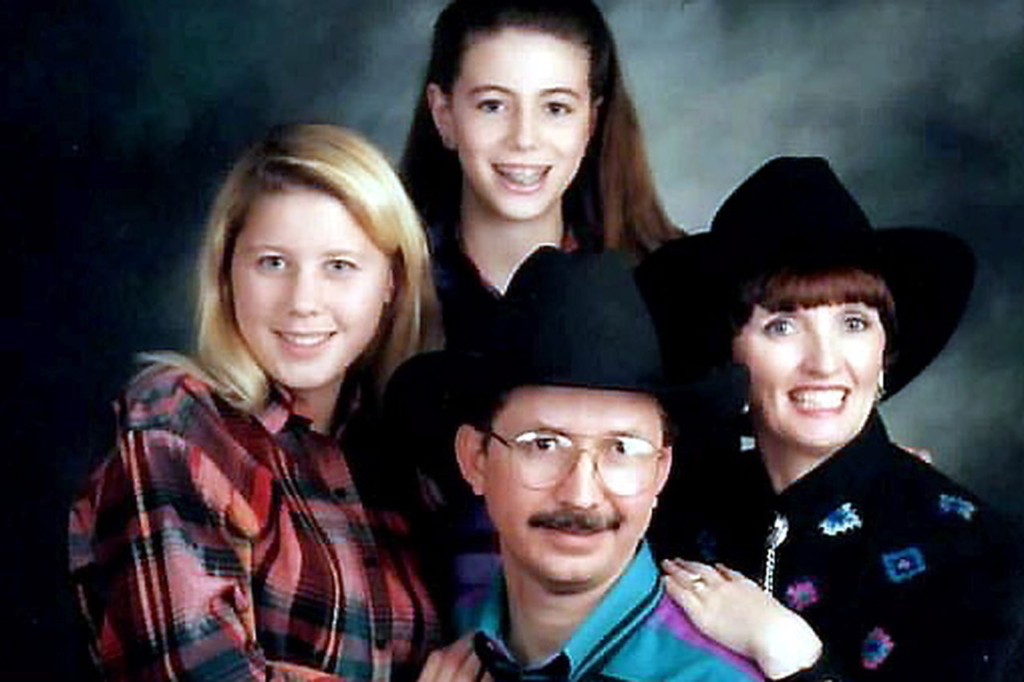
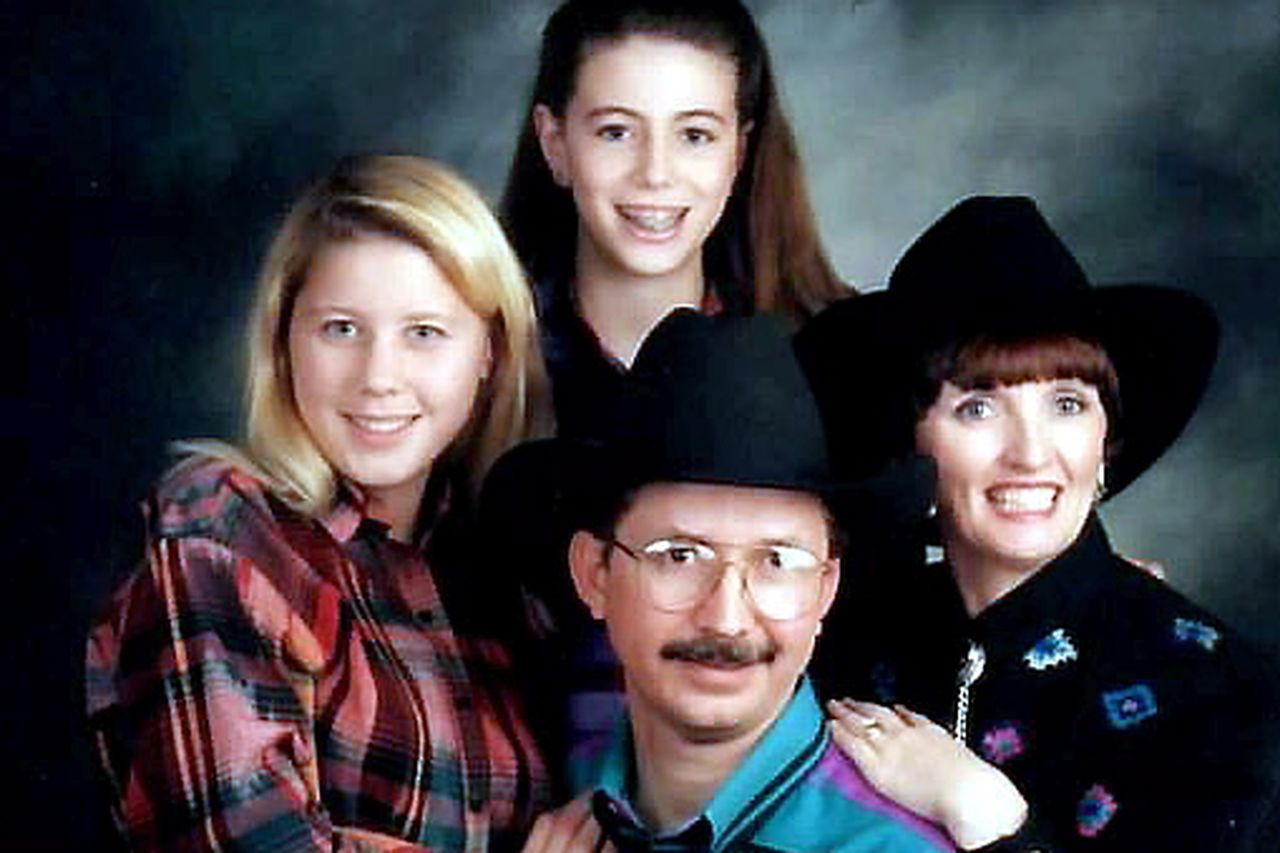
In 1982, aged thirty, she entered the United States illegally through the Canadian border. She travelled south to Athens, Texas, and adopted another identity. Wealthy widow. Irish landowner. Educated professional.
She married Clyde Parrish in 1983, despite still being legally married in Northern Ireland. Within weeks, she moved into his home and began seeing “patients” as Dr. Julia Watson, a clinical psychologist. No qualifications. No licence. Clients paid anyway.
She embedded herself in local Republican circles. She joined the Lone Star State Women’s Republican Club. She met Ronald Reagan. She was photographed with Vice President Dan Quayle. To the community, she was respectable, successful, connected.
Inside the home, the pattern repeated. She claimed pregnancies despite Parrish having had a vasectomy. Each time, she announced miscarriages. She told relatives she had a son in Ireland who died of cancer at thirteen. Another erased life.
The couple moved constantly. More than fifteen addresses across multiple states. They flipped mobile homes. They left towns abruptly when suspicion followed. Parrish’s parents once hired a private detective to find them after they vanished without notice.
By 2002, she launched her most profitable scheme. She told friends and business contacts she owned large tracts of land in Ireland. She promised returns of 400 to 700 percent. She socialised with targets, travelled with them, gained trust. Then she took their money.
When investors questioned delays, she sent carefully worded emails to calm them. Those emails later became evidence.
Between 2002 and 2003, six victims handed over $517,000. Among them was Dr. Dennis Rose, who gave $392,000 alone. None of the land existed.
In December 2003, the scheme collapsed. Victims went to court. Federal investigators stepped in.
In 2004, she pleaded guilty to wire fraud in Texas. She had used multiple false names and social security numbers. She was sentenced to 27 months in prison. Parrish received six months for helping conceal the fraud. Their assets were seized — land, vehicles, bank accounts, even Rolex watches and a state senate chair bought at a gala.
In 2006, before finishing her sentence, US authorities discovered she had entered the country illegally.
She was deported.
Another identity erased. Another country left behind.
She arrived back in Northern Ireland in 2006. No home. No family. No intention of starting over honestly.
She settled in County Down and adopted a new name: Julia Greer. Online, she advertised herself as a high priestess, a love guru, and a psychologist. Widowers and divorced men were drawn in. Money followed. Then silence.
In person, she returned to performance. At Ulster Rugby events in Belfast, she introduced herself as Dr. Watson, a sports psychologist who had guided Irish athletes to success. She attended English national rugby team functions. No one checked credentials. No one asked questions.
Behind the scenes, police were already familiar with her. Fraud complaints mounted. Businesses in Tyrone and Antrim reported deception involving services and goods worth more than one million pounds.
In 2009, she pleaded guilty to twenty-two fraud charges at Strabane Crown Court. The most serious involved a false claim of £1 million to purchase a beauty clinic. She received a 21-month prison sentence. She served only a fraction of it.
By September 2010, she faced new fraud charges totalling £18,000. This time, she was electronically tagged while awaiting sentencing.
The tag did not stop her.
In October 2010, she crossed the border into the Republic of Ireland. Once again, she vanished into a new jurisdiction before the law could close in.
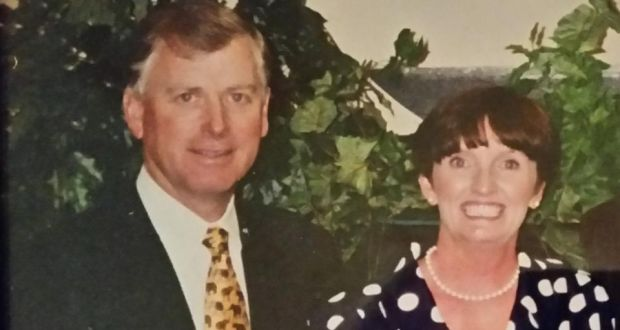
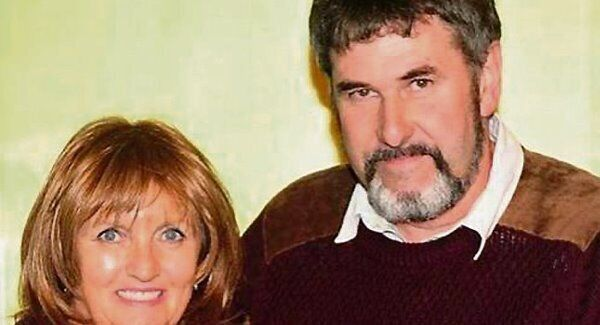
In November 2010, using yet another identity, she joined an online dating site. There she met Tom Ruttle, a 54-year-old beekeeper from a respected Church of Ireland family in Askeaton, County Limerick.
Within weeks, she moved into his isolated farmhouse. She told him she was a widow. She was still legally married to two men.
On April 1, 2011, they held a “marriage blessing” ceremony. No legal certificate existed. It was her second bigamous union. She began calling herself Julie Croen Ruttle. To neighbours, she claimed they had been married for decades.
Soon, another story appeared. She announced she was pregnant at 59. She showed visitors a baby scan. In December 2011, a heart-shaped plaque was erected outside the farmhouse. It commemorated a baby named Annabella Clarinda Ruttle, said to have died shortly after birth. No birth record existed. No medical evidence. Another invented tragedy.
By 2012, she had become co-owner of the farmhouse. She took control of attempts to sell the property. When paperwork was requested, problems surfaced. No valid marriage certificate. No employment or identity number. The sale stalled.
Police in Northern Ireland issued renewed appeals for her arrest. She was now a wanted fugitive again.
But in Askeaton, she remained simply “Julia Ruttle.” A new life. A new stage. The last one.
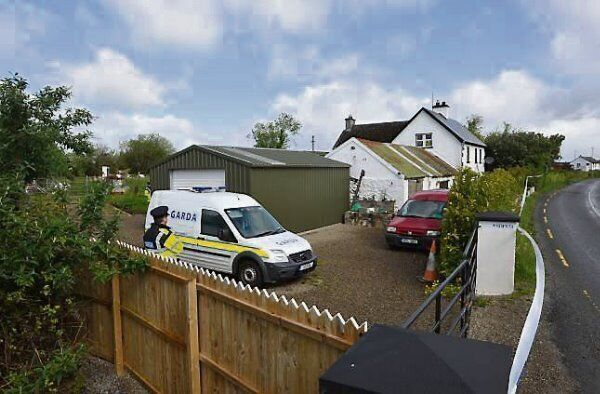
By late 2012, police in Northern Ireland issued public appeals for information on her whereabouts. Her description was circulated. She adapted immediately.
She appeared in Askeaton wearing a badly fitting blonde wig. When questioned, she said chemotherapy had taken her hair. She told friends and tradesmen she was dying of terminal cancer. Sympathy replaced suspicion. Bills went unpaid.
A local builder later admitted he reduced a €70,000 renovation bill after she told him she was undergoing treatment. He believed her. That was the point.
At the same time, she found a new enterprise. Tom Ruttle kept bees. She took control of the business. She created a brand: Irish Bee Sensations. The honey was marketed as rare wild-heather organic produce. Premium pricing. Elegant labels. Professional photographs.
Food suppliers and upmarket shops bought in. The honey won national awards. She attended black-tie ceremonies in Dublin. Newspapers printed photos of her in her blonde wig, smiling beside celebrity chefs and food judges.
But rival producers noticed something impossible. The quantity of “organic” honey exceeded what the Ruttle hives could produce. Authorities investigated.
The truth was simple. She was buying cheap supermarket honey in bulk and relabelling it as artisan Irish produce.
By 2014, food regulators and Gardaí were seeking her again.
By early 2015, the walls were closing in.
People she had tried to defraud in Limerick, Clare and Galway discovered the Northern Ireland police appeal carrying her photograph and list of aliases. They went to Gardaí. Reports multiplied.
She attempted one more scheme. She offered to organise a charity fundraiser, claiming celebrity connections. When the charity insisted on controlling ticket money, she vanished from contact.
Her honey business quietly shut down. Social media accounts were deleted. A new event-planning page appeared briefly under another name, then disappeared too.
Online, former victims began connecting with new targets. The internet had become the one place she could not outrun.
On March 14, 2015, she was last seen in public in Askeaton. After that, nothing. No phone calls. No messages. No sightings.
No missing person report was filed. She and Tom Ruttle were simply gone.
Weeks before the bodies were found, Holmes had sent a letter to a solicitor’s firm in Belfast. She signed it Julia Holmes. It claimed to be her last will and testament, co-signed by Ruttle. In it, she requested to be buried alongside him in the Ruttle family plot. She also requested that proceeds from the estate be distributed among the local builders she had defrauded during the farmhouse renovations. Whether the letter carried any legal standing — signed as it was under a false name, by a woman still legally married to two other men — was a question nobody ever had cause to answer.
In the early hours of May 18, 2015, a four-man gang broke into the Ruttle farmhouse. The house was dark. No electricity. No heating. No signs of occupancy.
Upstairs, they found the couple lying on a bed. Both bodies were badly decomposed. Fearful of being implicated, they fled the scene. Then they called Gardaí.
Inside the house, police found licensed firearms, bottles containing poison, and twenty handwritten notes. Several were signed by both. One read: “If you find us, don’t revive us.” Another asked that the notes be read at their inquests.
Initial reports suggested a murder-suicide. That theory collapsed. The firearms had not been discharged. There were no gunshot wounds or signs of violence.
Toxicology pointed to deliberate, self-inflicted carbon monoxide poisoning. The bodies had lain undiscovered for almost two months.
On April 29, 2016, the coroner’s inquest into both deaths concluded in Limerick. State Pathologist Professor Marie Cassidy testified that the staged environment she found at the scene was consistent with persons deliberately allowing a build-up of carbon monoxide. She confirmed that the post-mortem findings were consistent with asphyxia-type death caused by carbon monoxide poisoning. She added that it was possible Ruttle had died first, as he had a mild underlying medical condition.
The coroner directed the jury that there was no alternative verdict available on the evidence. The jury returned a finding of suicide for both. No third-party involvement. No outstanding questions about cause or manner of death.
The inquest was closed.
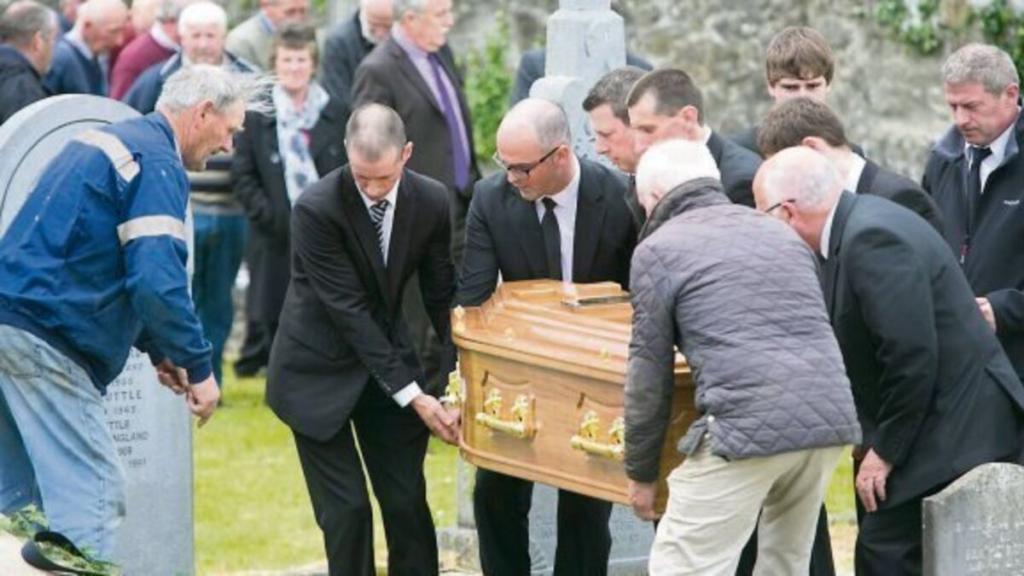
Tom Ruttle’s family claimed his body. He was buried in the family plot in Askeaton. A heart-shaped plaque for the fictitious baby still stood nearby. Ruttle’s sons refused to honour Holmes’s request to be buried beside him.
Cecilia McKitterick’s body remained in the morgue. No relatives came forward.
Police contacted her only known next of kin: Paul, the son she had abandoned in 1972. He was 43 years old. He refused any involvement. “I feel utterly cheated that she has been allowed the easy route out after a life of crime and chaos,” he told media. “I always hoped she would end up in court when life caught up with her. But there’s no chance now that anyone will get anything from her because she’s dead.”
Without claimants, she was cremated privately in Cork on June 24, 2015. No service. No mourners. Only crematorium staff present.
Two weeks later, a man described in press reports as a “mystery mourner” collected her ashes. His identity was never disclosed. No explanation was given. The ashes vanished, like their owner had so many times before.
No headstone bears her name. No official record lists all the names she used. No final accounting exists of how many lives she deceived.
A woman who spent four decades reinventing herself left the world the same way she lived in it.
Untraceable.
