
On the night of October 31, 2002, 18-year-old Suzane von Richthofen deactivated her family’s security cameras, unlocked the gate of their São Paulo home, and sat on the living room couch while her boyfriend and his brother beat her sleeping parents to death with iron bars.
On November 1, 2002, the day after her parents were bludgeoned to death in their São Paulo bedroom, 18-year-old Suzane von Richthofen was seen swimming in the family pool. Her boyfriend Daniel was beside her. When police arrived to investigate what appeared to be a home invasion gone wrong, Suzane answered their questions without visible distress. Days later, she celebrated her 19th birthday with friends just hours after her parents had been buried.
The detectives were already suspicious before she blew out the candles.
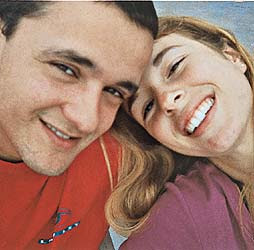
A Privileged Life in São Paulo
Suzane Louise von Richthofen was born on November 3, 1983, in São Paulo, Brazil, the daughter of two accomplished professionals. Her father, Manfred Albert von Richthofen, a German engineer who had risen to serve as director of São Paulo’s state highway development company, had built a comfortable, ordered life for his family in the gated Campobello neighborhood. Her mother, Marísia, a psychiatrist of Lebanese descent, worked and raised two children: Suzane and her younger brother Andreas, born in 1987.
The family’s estimated wealth in 2002 stood at $5.5 million. They lived behind an electric gate. Suzane studied at a German-language school and later enrolled to study law at a Catholic university in São Paulo. Neighbors and teachers described her as happy, well-behaved, and a little shy. She spoke three languages and had trained in ballet.
From the outside, the von Richthofens were exactly what they appeared to be.
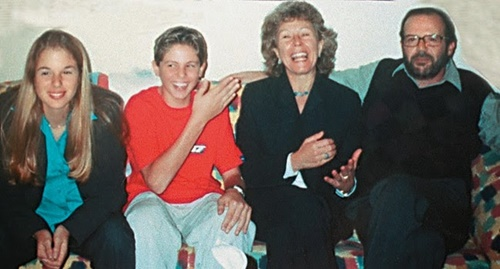
The Forbidden Relationship
In the summer of 1999, Suzane took up Brazilian jiu-jitsu. There she met Daniel Cravinhos de Paula e Silva, who soon became her boyfriend. The relationship held from the start. It also alarmed her parents almost immediately.
Daniel did not work. He did not attend college. He smoked marijuana daily and did not come from Campobello. Manfred and Marísia allowed the relationship at first, then changed their position as they understood more clearly who Daniel was. They pressured Suzane to end it. She refused. They threatened to cut off her allowance. She refused again.
In July 2002, with her parents away on vacation, Suzane invited Daniel to move in for a month. When her parents returned, she proposed a compromise: they should buy her a flat where she and Daniel could live together. Manfred’s answer was precise. She could do whatever she liked, he told her, once she earned money herself.
Whatever had been building in Suzane von Richthofen over those years, her father’s answer did not dissolve it.
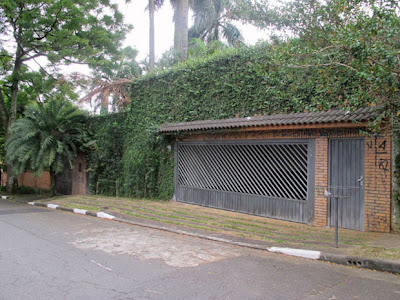
The Night of October 31st
The plan had been thought through in advance. That evening, Suzane took her 15-year-old brother Andreas to a cyber café to meet friends and play video games. Before she left the family home, she deactivated the burglar alarm and switched off the video security cameras. When she returned later with Daniel and his 26-year-old brother Cristian, she opened the electric gates herself and drove into the garage.
Daniel and Cristian pulled on hoods.
Suzane went upstairs first, turned on the hall light, and verified that her father Manfred and her mother Marísia were asleep in their bed. Then she went back downstairs and sat on the couch.
The brothers went up.
They struck Suzane’s parents with iron bars. The blows did not kill Manfred and Marísia quickly. Despite suffering severe brain trauma, both remained alive. Daniel retrieved two wet towels from the bathroom and pressed them over the victims’ faces in an attempt to muffle the sounds they were making. When that failed, he went to the kitchen and returned with a jug of water. He used it to drown Suzane’s father. Her mother, Marísia, was still alive. They tied a plastic bag around her head until she suffocated.
Suzane came upstairs to confirm her parents were dead.
The three of them then moved through the house arranging it to look like a burglary. They pocketed cash a considerable amount in both U.S. dollars and euros and spread papers across rooms in an approximation of disorder. The staging was poorly executed. They left behind cell phones, valuables, and a gun. Burglars do not leave guns behind.
Suzane and Daniel checked into a motel to establish an alibi. Cristian went to a fast-food restaurant. Before 3 a.m., they checked out. Suzane picked up Andreas from the internet café and drove him home to discover the bodies. She called the police.
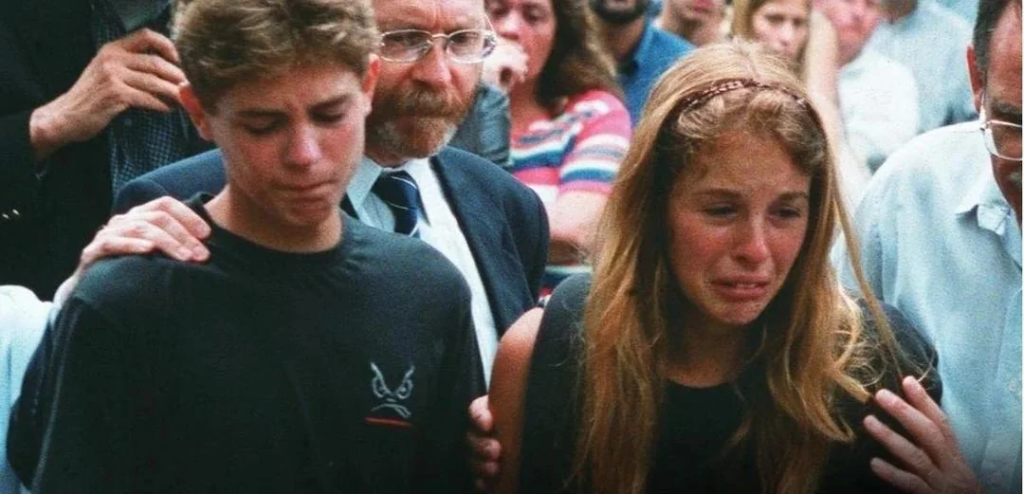
The Investigation
The detectives who arrived that morning did not take long to doubt the burglary narrative. The alarm system had been disabled from inside. The papers were spread across the house with an evenness that suggested deliberate arrangement rather than a frantic search. Valuables sat untouched. And Suzane, whose parents lay dead upstairs, displayed a composure that investigators found impossible to reconcile with grief.
The following day, she was in the swimming pool.
Her 19th birthday fell just days after the murders. She celebrated it with friends, hours after her parents’ burial. Photographs circulated in the Brazilian press. The nation watched.
The break came from Cristian. A few days after the murders, he purchased a motorcycle and paid for it in $100 bills. On November 9, 2002, nine days after the killings, police arrested Cristian, then Daniel, then Suzane. She confessed quickly. The investigation was concluded within a week.
Brazilian media had already begun asking the question that the confession would answer. How had this happened? Suzane von Richthofen was not the profile anyone expected. The Cravinhos brothers, unemployed, drug-addicted, without college education, fit the template. Suzane did not. She was blond, well-dressed, trilingual, enrolled in law school. The contrast between her upbringing and the brutality of the crime generated national debate about who had been driving the plan.
Before her trial, a television network arranged an interview with her. The cameras were rolling before she knew they were on. She had been instructed to cry during the broadcast to generate public sympathy. The result was the opposite. The interview destroyed her credibility and confirmed, for many Brazilians, what they had already suspected.

The Trial
Nearly four years passed before Suzane, Daniel, and Cristian stood trial in São Paulo. When proceedings began in July 2006, their accounts diverged cleanly. Suzane blamed Daniel for everything. The Cravinhos brothers said they had acted on her desire.
In the courtroom, Suzane was described by observers as cold and expressionless. The brothers cried. On at least one occasion, Suzane laughed.
Her defense attorney presented two arguments. First, that Suzane had been physically abused by her father, a claim denied by both Suzane herself and her brother Andreas. Second, that Manfred and Marísia had been alcoholics, a claim disproved by autopsies that found no alcohol in either victim’s body. The defense also argued that Suzane had been wholly controlled by Daniel, whom she had adored, in her attorney’s words, “like a god.”
The prosecution’s characterization was more direct. Suzane, they argued, had wanted two things: her parents’ $5.5 million estate and the freedom to live without earning it. They called her the mastermind of the crime. They requested 50 years’ imprisonment for each defendant.
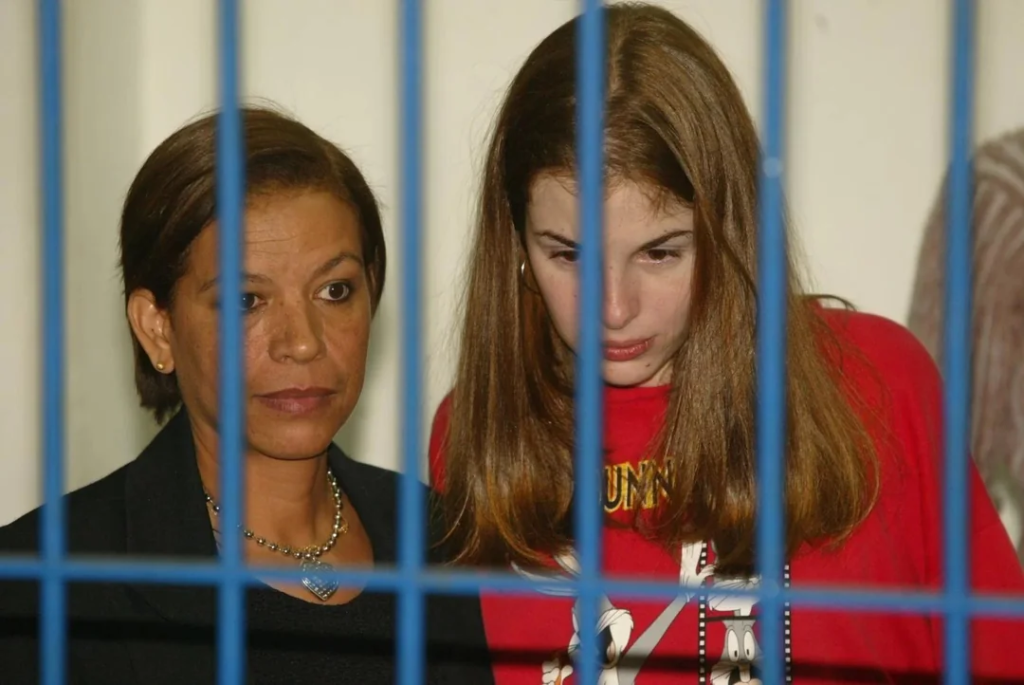
The Verdict
On July 22, 2006, Suzane von Richthofen was sentenced to 40 years in prison for the first-degree murders of her parents. Daniel received an identical sentence. Cristian, convicted of conspiracy, received 38 years.
In 2009, Suzane applied to have her sentence converted to house arrest. The appeal was denied. She applied again in 2011. It was denied again.
That same year, Andreas von Richthofen, who had been 15 years old when his sister took him to a cyber café so she could arrange for their parents to be killed, sued Suzane for her half of the family inheritance, including the life insurance payout on Manfred and Marísia’s deaths.
He won.
