
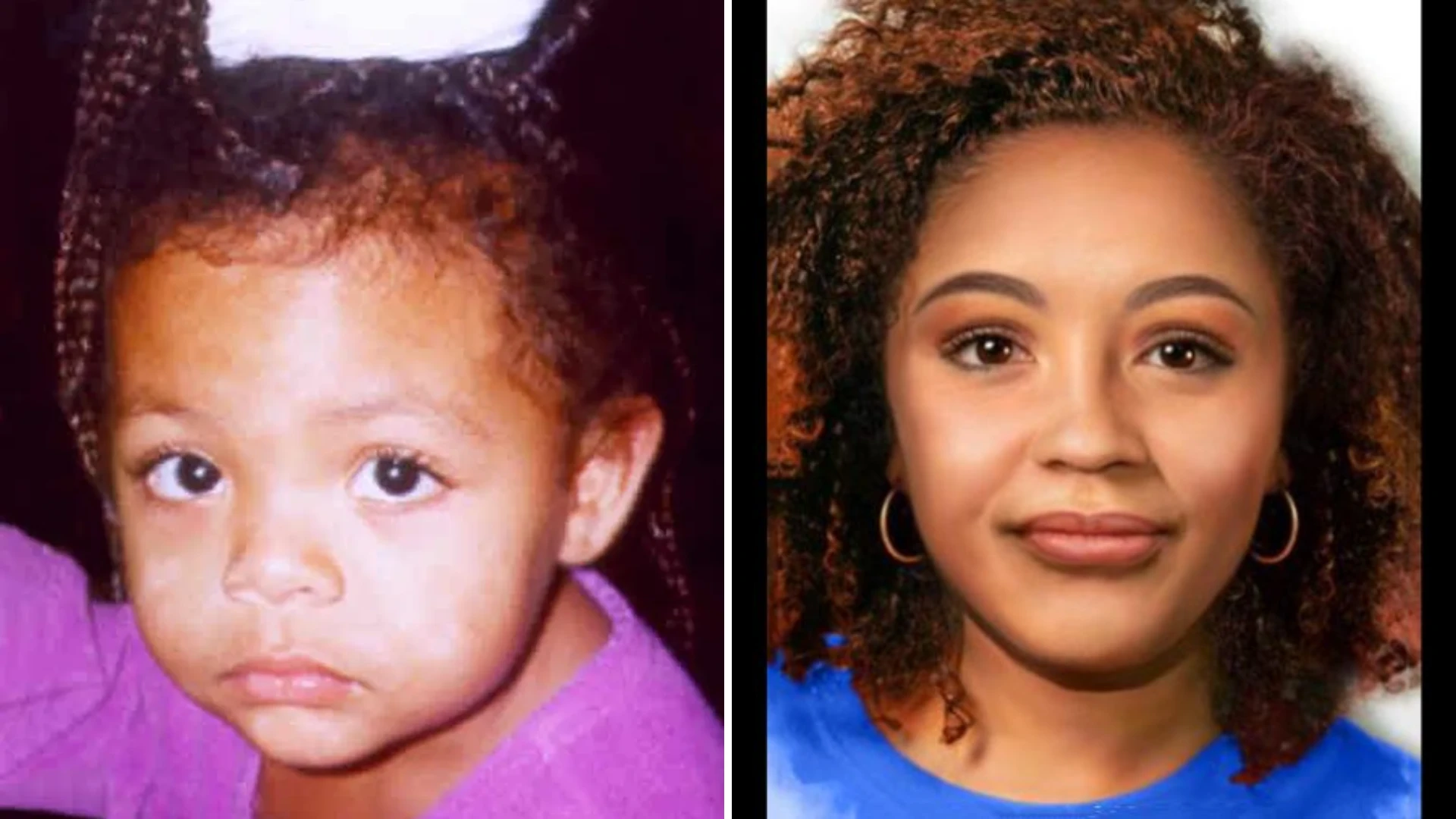
On the evening of January 23, 1999, two-year-old Teekah Lewis was at the Cruis’n World racing cabinet in the arcade section of the New Frontier Lanes bowling alley on Center Street in Tacoma, Washington. She had a clear purse with a fish design in her hand. It was packed with Starbursts. Her mother, Theresa Czapiewski, was a few feet away at the lane. It was Theresa’s turn to bowl. She stepped up, rolled, and turned back around.
Teekah was gone.
A Mama’s Girl
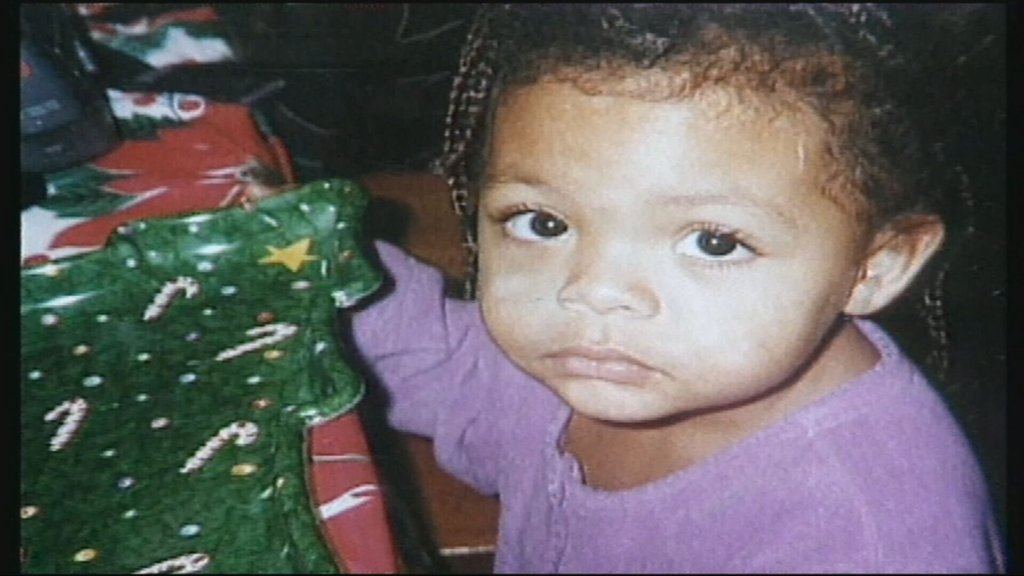
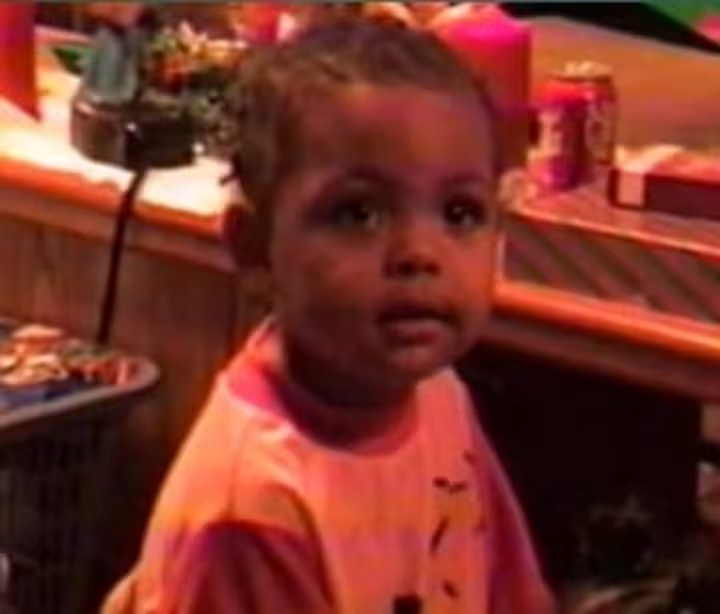
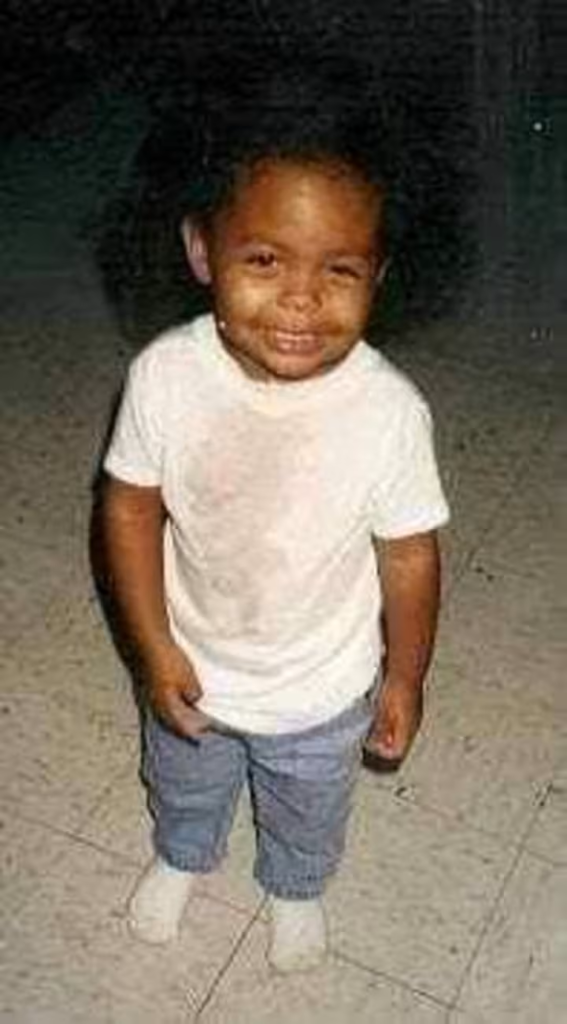
Teekah Lewis was born on July 4, 1996, the second of five children raised by Theresa Czapiewski in Tacoma, Washington. She was an affectionate child, but also a cautious one. Strangers frightened her. She would cry when her aunts and uncles tried to pick her up. She had never been known to wander.
“She wouldn’t go outside on her own,” Theresa recalled to the Seattle Times. “She’s a mama’s girl. She sleeps with me and her blankie, and if I’m not there, she’s crying. And if she doesn’t have her blankie, she’s crying.”
Teekah was of African-American, Caucasian, and Chippewa Native American heritage, three feet tall and 35 pounds, with black hair carrying natural red highlights, brown eyes, and cheek dimples. She suffered from asthma and used an inhaler. She had recently received medical attention at Indian Health Practitioners in Puyallup, a clinic specifically serving Native American patients. Her father, Robert, was serving a four-year sentence for theft at the time of her disappearance. He was ruled out as a suspect.
Saturday Night at the Alley
On the night she vanished, Teekah was wearing a green Tweety Bird sweatshirt, white sweatpants, and red, white, and black Air Jordan sneakers. She had her hair in ponytails. She carried her fish-design purse, packed with Starbursts. Earlier that day, Theresa had dropped her older children at family members’ homes for the evening. Her two youngest, Teekah and baby sister Tameeka, came along to the bowling alley.
The family gathered at Lanes 7 and 8 near the center of the alley. While the adults bowled, Teekah moved freely between the lanes and the arcade. Her uncle helped her win a stuffed animal at the claw machine. She handed it to Tameeka without a second thought. She spent the rest of the evening working through her quarters, game by game.
By 10 p.m., Teekah was at the Cruis’n World cabinet at the edge of the arcade. The machine stood just feet from an emergency exit door. Her family stood just feet away.
Fifteen Seconds
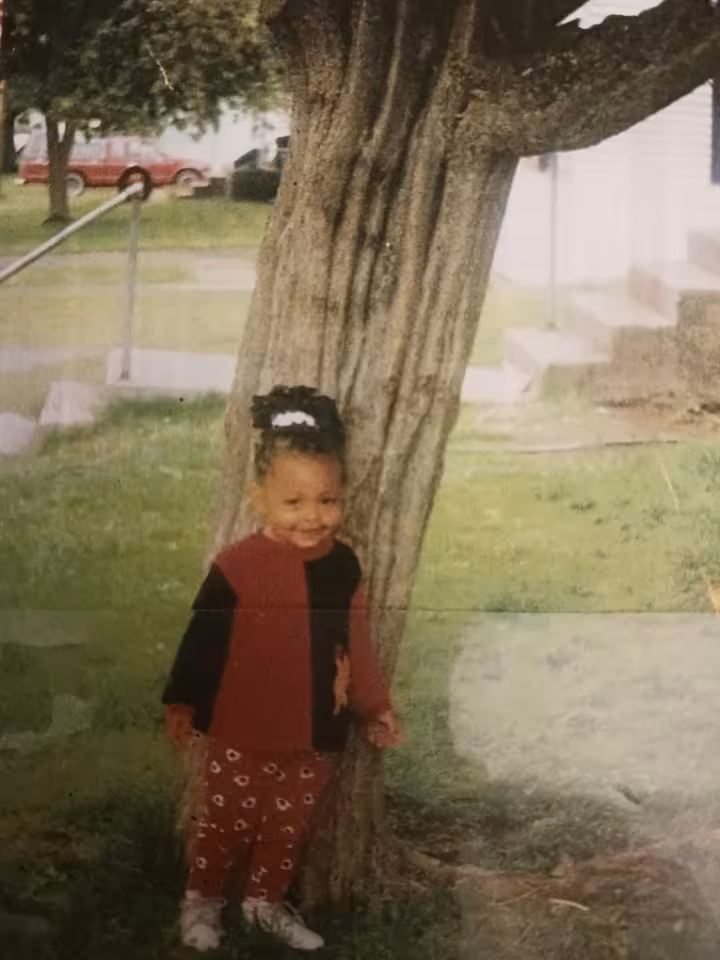
It was Theresa’s turn to bowl. She stepped up, released the ball, and turned to walk back to her chair. She would later estimate she had looked away for no more than fifteen seconds.
Teekah was not at the machine. She was not in the arcade. She was not anywhere in the bowling alley.
Theresa searched the area with her family. Before long, they had enlisted the security staff, then other patrons. Within minutes of Teekah’s disappearance, an off-duty officer on the premises was alerted. The alley was shut down. Police began checking every vehicle leaving the parking lot. The official missing persons report was filed at 10:30 p.m.
Investigators swept the building inside and out. Authorities initially considered the possibility that Teekah had wandered outside on her own. But that did not hold. A two-year-old who wept when strangers came near, who had never willingly left her mother’s side, did not walk out alone into a dark parking lot.
The FBI joined. The National Center for Missing and Exploited Children joined. Search teams deployed by ground and air, covering wooded areas and open water. Helicopters equipped with infrared cameras swept the vicinity. Search dogs combed the terrain. They found nothing.
The Evidence and the Pattern
Three days after Teekah disappeared, investigators made a discovery across the street from the bowling alley. A bundle of men’s clothing, rolled tightly into a ball, had been concealed beneath a bush. It had not been there long. Detectives designated the items as evidence: a navy blue wool pea coat with the initials I.S. or J.S. stamped on the back label, off-white Lee brand jeans, and a Columbia brand button-down plaid shirt. No owner was ever identified.
Two witnesses came forward with accounts from the night of January 23. One reported seeing a maroon Pontiac Grand Am, a late-1980s or early-1990s model with tinted windows and a large rear spoiler, speeding out of the bowling alley parking lot shortly after Teekah was reported missing. The second witness described a white male seen inside the bowling alley that evening: 30 to 40 years old, approximately 5 feet 11 inches tall, husky build, brown curly or wavy hair, a mustache, a prominent nose, and pockmarks on his face. He was wearing a blue checkered flannel shirt and blue jeans. That witness had seen him walking with a small girl matching Teekah’s description.
And sickeningly, the bowling alley had not been a safe place for children in the months before that night. In November 1998, two months before Teekah vanished, a four-year-old boy was sexually assaulted in the restroom by a man with curly brown hair and a beard, possibly wearing a hat bearing the word “Husky,” a reference to the nearby University of Washington. Security staff had reportedly seen a man matching that description at the alley on several prior occasions. They had never identified him. Within weeks of Teekah’s disappearance, a man with brown hair approached a six-year-old boy at the same bowling alley and falsely claimed to be his father.
But the predatory behavior on January 23 had not begun at the bowling alley. That afternoon, hours before the Lewis family arrived, a man with curly brown hair and a baseball cap approached two children at nearby Oakland Madrona Park and attempted to take them from the park restrooms. Their father chased the man off. The suspect fled in a blue 1995 Pontiac Grand Am. The father did not report the incident until January 26, three days later, only after hearing about Teekah on the news. Police were never able to confirm whether the two cases were connected.
Every Lead Went Cold
Theresa Czapiewski was investigated and cleared early in the case, passing two polygraph examinations. Every family member present at the bowling alley that night was questioned and eventually ruled out.
A woman Theresa had noticed behaving strangely that evening, one who had asked to hold a relative’s baby, was investigated and cleared as well. Investigators confirmed there was no usable surveillance footage from inside the bowling alley, and no physical evidence had been recovered from the building.
In the years after Teekah’s disappearance, Theresa championed the Teekah Lewis Bill in Washington state, which established a missing and exploited children’s task force and gave the Washington State Patrol authority to work alongside local agencies on child abduction cases. The family held memorials and vigils every birthday and every holiday.
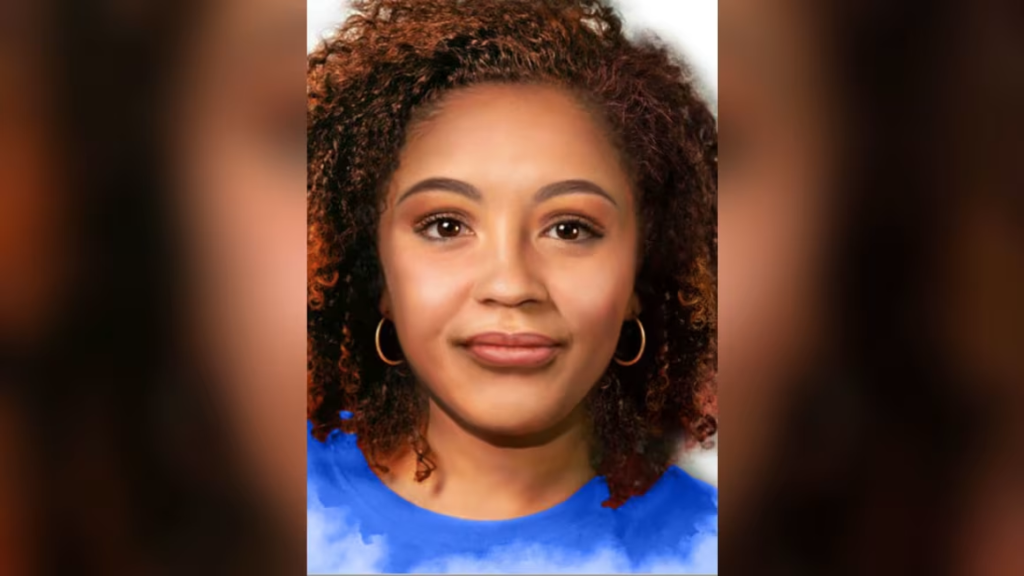
In 2013, the National Center for Missing and Exploited Children released an age progression image depicting Teekah at 17. In 2022, Louisiana State University’s FACES Laboratory produced a second image, showing what she might look like at 26. When Theresa first saw it, she cried. “After all these years,” she said, “they finally made a picture that looks like my daughter.” The New Frontier Lanes bowling alley was eventually demolished. A Home Depot now stands on the property.
Twenty-Six Years Later
In 2020, Sergeant Julie Dier of the Tacoma Police Department picked up Teekah’s cold case. That year, for the first time, police publicly released a description of the man a witness had seen walking with a small girl matching Teekah’s description inside the bowling alley. In 2023, the maroon Pontiac Grand Am witness account was released publicly for the first time as well.
By that point, Dier had already tracked the man down. In March 2025, she confirmed to KOMO News that detectives had located and interviewed the person of interest, and that he had since died. “There was somebody who was observed walking with a little girl that matched the description of Teekah,” Dier said. “During this conversation, he said nothing that would have convinced us that he was a suspect or involved. But he also didn’t say anything that ruled him out completely.” When detectives went back for a second interview, he was already dead.
In May 2025, detectives excavated the backyard of a home on the 3200 block of South Gunnison Street in Tacoma, less than a mile from the old bowling alley site, after receiving a cold case tip. They worked the scene for three days. On May 21, 2025, the Tacoma Police Department confirmed the search was connected to Teekah’s case. It had yielded nothing. “Nothing of evidentiary value, on any case,” a department spokesperson said.
In late January 2026, a person walked into Tacoma police headquarters and told detectives they were Teekah Lewis. Police confirmed they were investigating the claim. Similar claims surface almost every year around the anniversary of her disappearance, and each is investigated individually, sometimes through DNA testing. None have led anywhere.
“I know somebody out there knows what happened to Teekah or knows where Teekah’s at,” Theresa Czapiewski said at the 25th anniversary of her daughter’s disappearance. “And I’m asking for them to come forth.”
Nobody has.
Teekah Lewis was two years old. She was a shy little girl from Tacoma who had never willingly left her mother’s side. She won a stuffed animal at a claw machine on the last night anyone saw her and handed it straight to her baby sister. She has never been found.
