

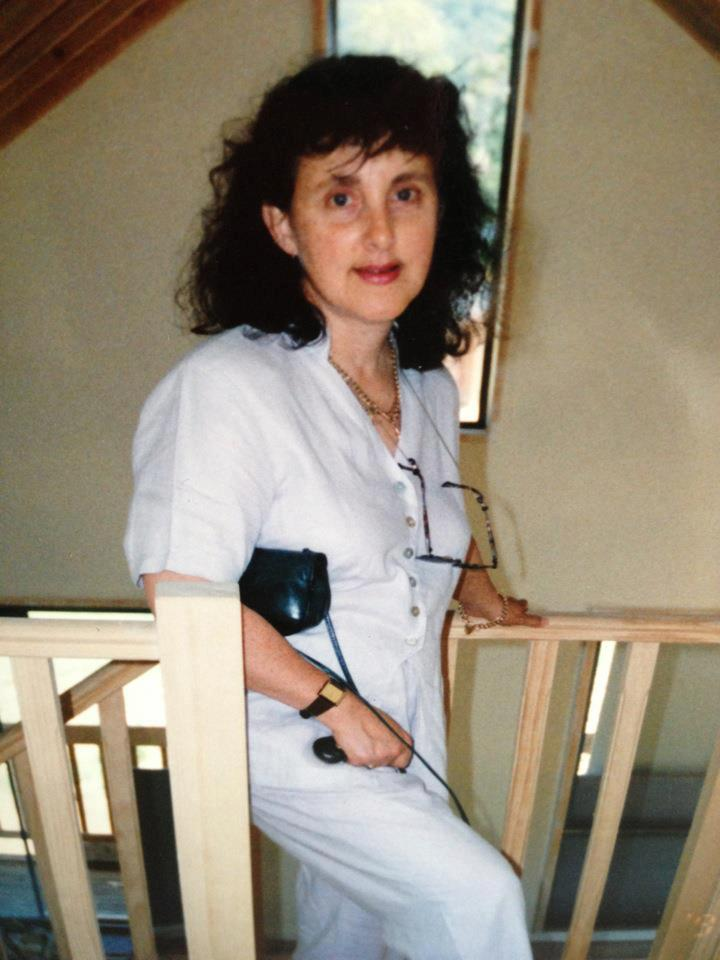
In June 1997, Marion Barter boarded a flight from Queensland to the United Kingdom and vanished from her family’s life.
For a few weeks, she sent cheerful postcards and made quick phone calls home. Then the contact stopped. Days later, her bank account in Australia began draining $5,000 at a time while she was still believed to be overseas.
What no one knew then was that Marion had secretly changed her name, returned to Australia under that new identity, and crossed paths with a man later found to have more than thirty aliases.
Her disappearance would remain unsolved for more than twenty years, until a single detail surfaced that reopened the entire case.

Her Sudden Departure
Marion Barter was 51 in 1997. She taught at The Southport School in Queensland and had two adult children, Sally Leydon and Owen Brown. She had been married three times and maintained contact with her ex-husbands. There were no indications of ongoing disputes or instability in her personal life.
In March that year, Marion resigned from her teaching position and sold her home. She informed family that she planned to take a sabbatical and travel through Europe. She did not provide a detailed itinerary, and the decision came together quickly.
Around this time, her daughter Sally saw her unexpectedly at a petrol station. Marion was standing beside her car with a fuel pump in hand. When she noticed Sally, she paused, returned to her vehicle, and drove out of the station using the wrong lane. A man was seated in the front passenger seat, but due to reflections on the windscreen, he could not be identified. The two did not speak.
On 15 May 1997, Marion legally changed her name to Florabella Natalia Marion Remakel. The change was processed through official government records but was not disclosed to her family.
On 22 June 1997, Marion was last seen in Australia at a bus stop in Queensland. She then boarded an international flight to the United Kingdom. On her outgoing passenger card she listed her intention to relocate to Luxembourg and described herself as divorced.
From Europe, Marion made several phone calls home and sent postcards and small gifts. The locations referenced in these communications were in England. Her last confirmed phone call took place on 1 August 1997, made from a phone booth in Tunbridge Wells. She spoke with her daughter until the coins she was using ran out. Days later, postcards arrived from Sussex. In them, she wrote that she was having a “wonderful time,” that she had rented a car, and that she planned to drive to Amsterdam.
No further verified contact came from her after these postcards.
The Money Trail
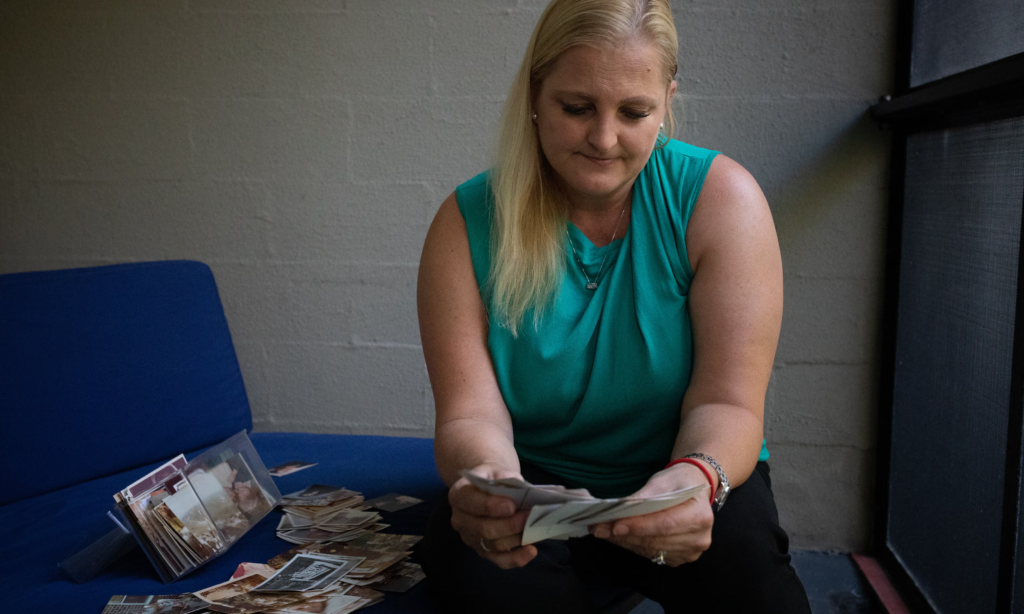
On 2 August 1997, the day after Marion’s final confirmed call from Tunbridge Wells, her Australian bank account showed a withdrawal of $5,000. The same amount was withdrawn daily for three consecutive weeks. All transactions occurred at ATMs in New South Wales, not overseas.
Shortly after the final ATM withdrawal, an additional $80,000 was electronically transferred out of her account. The bank was unable to trace the destination. At the same time, the accounts Marion had opened in the United Kingdom for her travels remained untouched.
On 16 August 1997, Marion did not contact her son for his birthday. This absence of communication prompted Sally to request information from the bank. Initially, bank staff declined to release details, but after reviewing the account’s activity, they contacted her due to the unusual pattern of withdrawals and the large electronic transfer.
Sally reported Marion missing to police. Within days, police informed her that they had “located” Marion and that she did not want contact with her family. No documentation or verified sighting was provided, and the investigation was closed. The family later learned the original case file could not be located.
For years, there was no further progress. Marion’s bank accounts showed no new activity. No confirmed sightings emerged. Her trail in the United Kingdom ended with the postcards from Sussex, and her trail in Australia consisted only of the unexplained financial withdrawals.
In 2011, Detective Gary Sheehan of Byron Bay reviewed the case informally during quiet periods at work. With the original files missing, he had to rebuild the timeline. During this review, he discovered the legal name change to Florabella Natalia Marion Remakel, processed one month before her departure. Despite this discovery, the case was again closed without further action, on the basis that she may have chosen to disappear.
Between 1997 and 2018, there were no confirmed leads. Sally continued to request updates from authorities and pursued information independently, but no official progress was recorded.
The Podcast Breakthrough
In early 2019, the case gained new attention when journalist Alison Sandy and producer Bryan Seymour launched the podcast “The Lady Vanishes.” The series reviewed Marion’s timeline, examined missing records, and invited public tips. Within its first month, the podcast reached more than a million downloads, eventually exceeding twelve million.
Among the listeners was Joni Condos, a former social worker. She noticed the surname Remakel the name Marion legally adopted in May 1997 and began searching public records and databases. During her search, she found a 1994 lonely-hearts advertisement published in Australia. It was signed “Ferdinand Nicola Remakel,” and described the advertiser as a single man seeking a long-term partner or marriage.
A listener later located a physical copy of the advertisement in a library archive. The ad included a phone number. When checked, that number was active in 1995 and linked to a company called Bellina Coin Investments, registered to a married couple named Frederick and Diane de Hedervary.
Further research uncovered Frederick de Hedervary’s immigration file. The file listed more than 30 known aliases and records showing he had legally changed his name 12 times. Variations of the surname Remakel appeared in the material.
As investigators and podcast researchers gathered information, Joni expanded her search to border-movement data. She located records showing that someone traveling under the name Florabella Natalia Marion Remakel entered Australia on 2 August 1997 the day after Marion’s final call from England, and the same day the first $5,000 withdrawal was made in New South Wales.
The incoming passenger card for that arrival listed the traveler’s occupation as “housewife,” residence as Luxembourg, and intended stay in Australia as eight days. When Sally reviewed the document, she identified the handwriting as her mother’s.
This confirmed that Marion returned to Australia immediately before her bank account was emptied, and that she returned under the name she had legally adopted in May.
These findings prompted NSW Police to establish Strike Force Air to formally re-examine the case and investigate potential links between Marion and the man behind the multiple aliases.
The Inquest Testimony
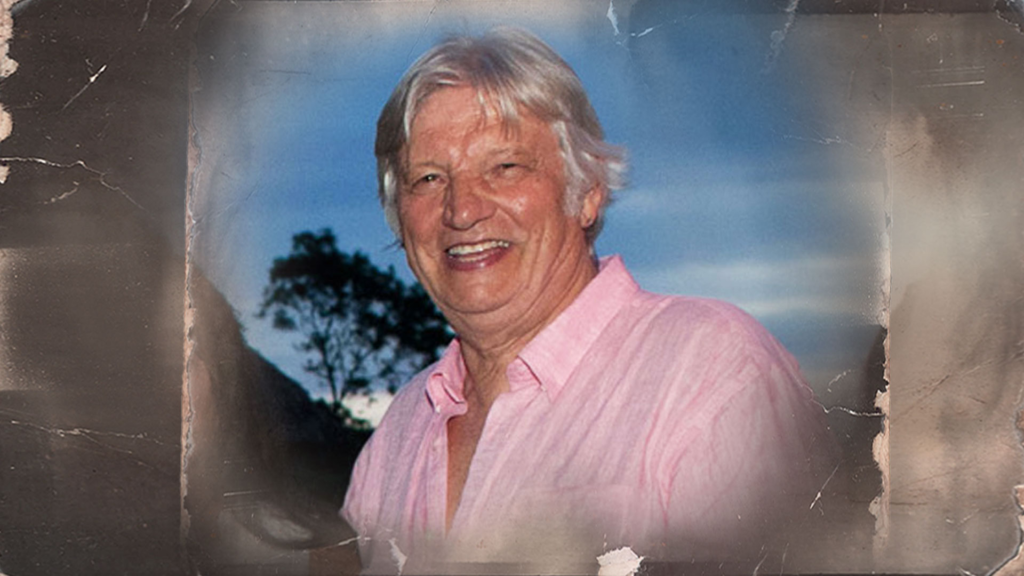
In 2021, a formal coronial inquest began to examine Marion Barter’s disappearance and to assess evidence gathered by Strike Force Air. The proceedings focused heavily on the man connected to the lonely-hearts advertisement and the Bellina Coin Investments phone number: Frederick de Hedervary, also known under numerous aliases, including variations resembling Remakel.
During the inquest, multiple former partners of Frederick provided testimony. Their accounts described meeting him through personal advertisements or social channels, often under different names. Several reported that he encouraged them to sell property, consolidate assets, or transfer financial control to him. Others described situations in which he retained their identity documents or requested power of attorney. These testimonies were presented to establish consistent patterns in his financial and personal dealings.
Witnesses also placed Frederick in locations relevant to Marion’s timeline. One former partner said they lived in both Luxembourg and a village near Tunbridge Wells, the same area from which Marion made her last confirmed phone call. Another recounted traveling with him through regions Marion referenced in her postcards and letters.
A former bank manager, Joan Hazlett, testified that she believed she had met Marion on the day a final large withdrawal was made from her account. She described a woman who used a different name and mentioned plans to travel to Bali. Hazlett said she verified identification before approving the transaction. The inquest examined whether this woman was Marion, whether someone impersonated her, or whether documents allowed another individual to access the account.
Frederick was questioned extensively. He denied involvement in Marion’s disappearance and disputed much of the testimony from former partners. He acknowledged knowing Marion but said the relationship ended and he did not know what happened to her afterward. He denied taking money from her accounts and denied having any role in her movements after 1997.
The inquest focused on resolving several central questions:
What occurred between Marion’s return to Australia on 2 August 1997 and the end of the withdrawal sequence?
Whether she withdrew the funds herself.
Whether any party used her identity or documentation.
Whether her disappearance is connected to the broader pattern described by Frederick’s former partners.
The coroner adjourned proceedings to review evidence and determine whether Frederick’s actions, aliases, or financial dealings were directly linked to Marion’s disappearance.
The Unanswered Mystery
After August 1997, no confirmed sightings or verified communications from Marion Barter have ever been recorded. Her last known movements her return to Australia under the name Florabella Natalia Marion Remakel, the concentrated series of ATM withdrawals in New South Wales, and the final electronic transfer remain the only documented activity following her departure from England.
The identity change completed in May 1997, the decision to declare an intended relocation to Luxembourg, and the immediate re-entry to Australia all sit at the center of the case. None have been conclusively explained.
The inquest continues to assess whether any of Frederick de Hedervary’s documented aliases, personal relationships, or financial activities intersect directly with Marion’s disappearance. No determination has been made regarding his involvement, and no evidence has been presented establishing her whereabouts after 1997.
More than two decades after she left Australia, the core facts remain unresolved: how long she stayed in the country after re-entry, who conducted the withdrawals, where she went after August 1997, and whether anyone else was responsible for her disappearance.
