
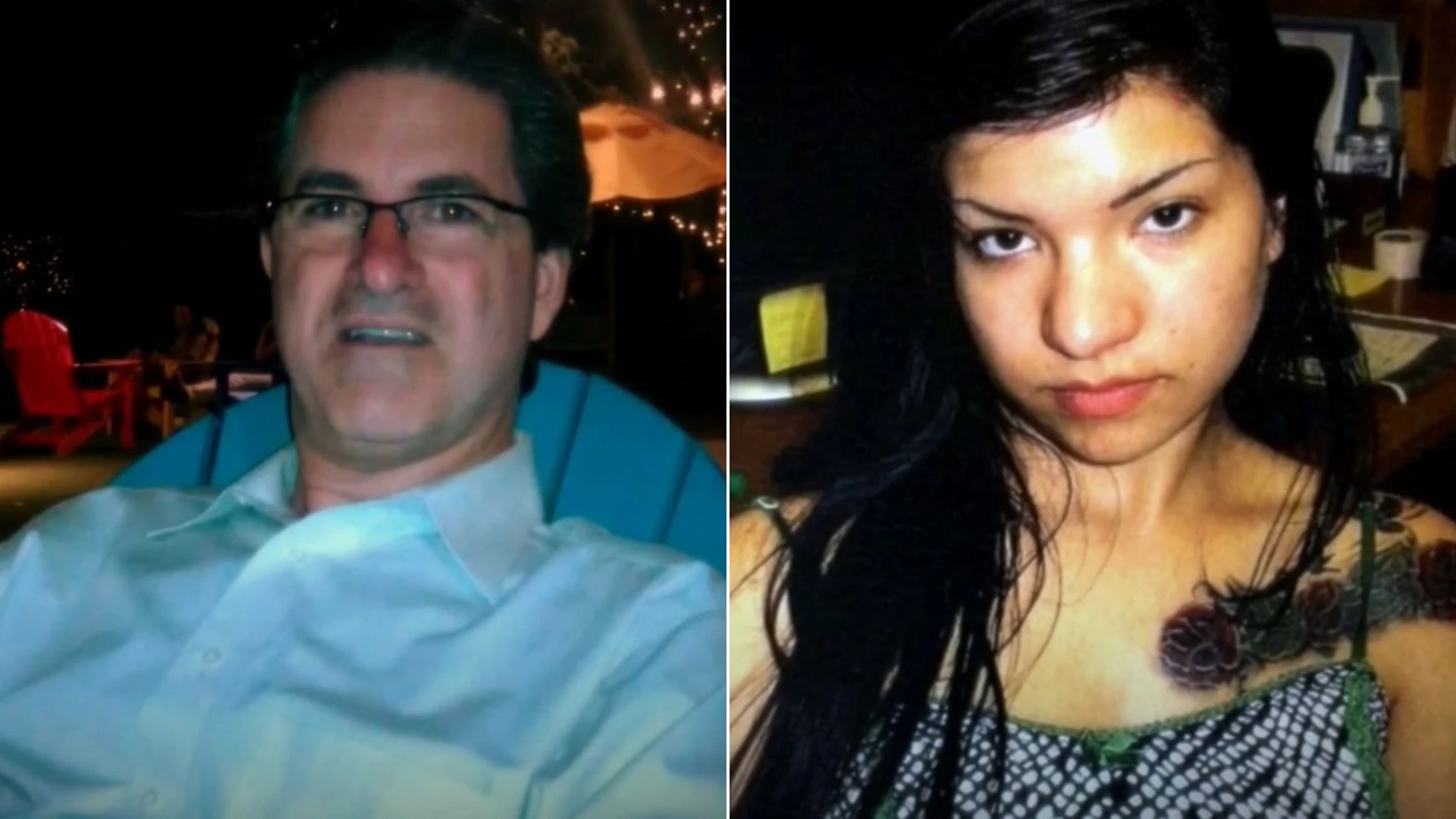
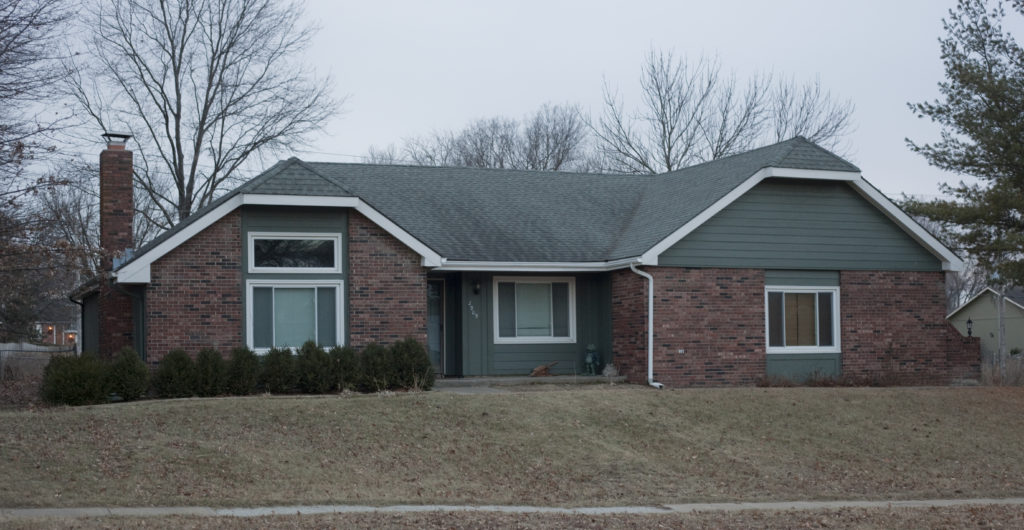
On January 17, 2014, employees at a CiCi’s Pizza restaurant in Lawrence, Kansas, arrived for work and found the doors locked. Harold Sasko, 52, was always there to open the kitchen. That morning, he was not. After three days without contact, his staff called police and requested a welfare check at his home on West 26th Street. An officer knocked at the front door, received no answer, and peered through the front window.
On the living room floor, he saw the shape of a man face down in a pool of blood. Backup was called. The body was Harold Sasko. His hands were bound behind his back with zip ties. His feet were bound. His throat had been cut so savagely that the bone in his neck had shattered and the blade had hit the floor. He had been dead for three days. On the wall nearby, someone had started to write a word in his blood. They had managed the letters F and R before stopping. The intended word was FREEDOM.
A Man of Good Standing
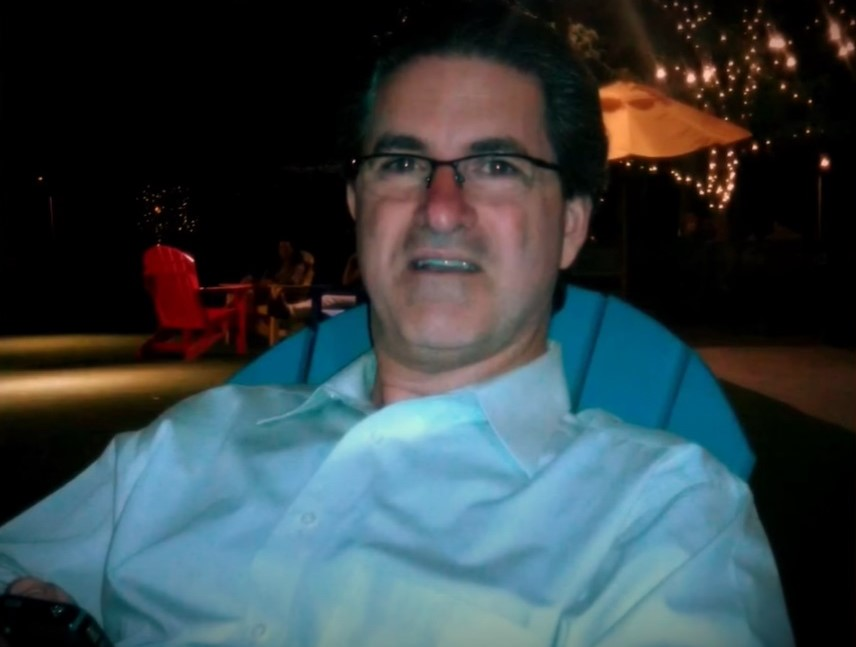
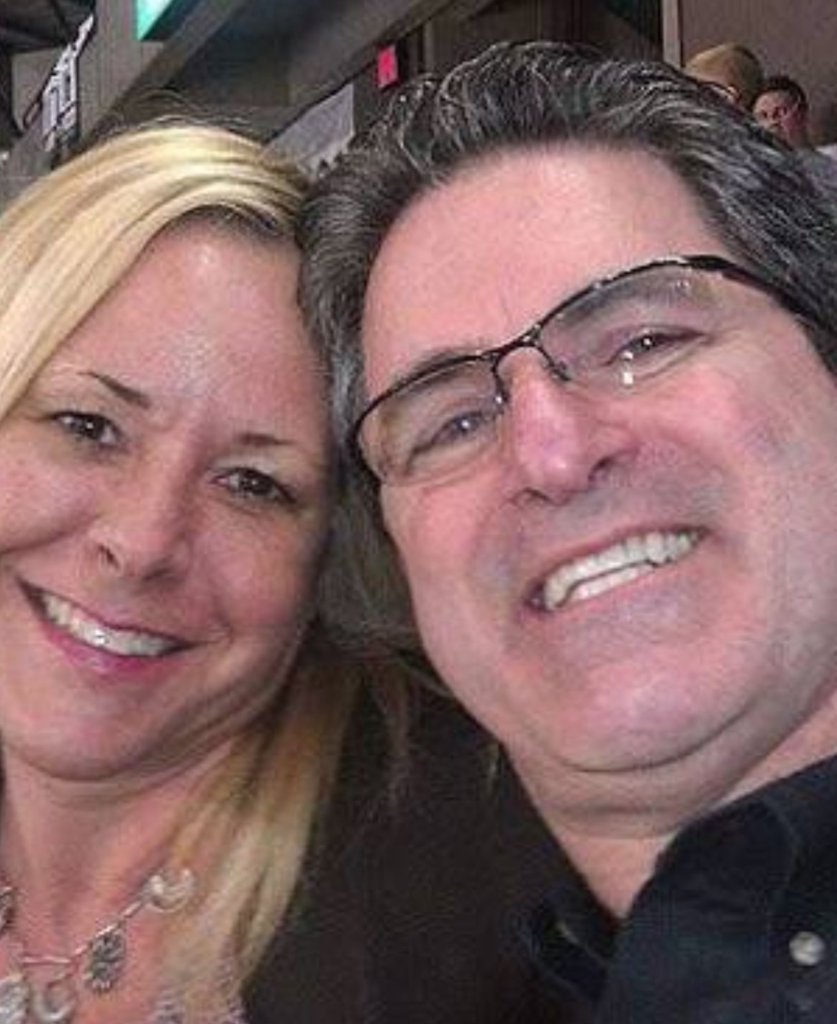
Harold Michael Sasko was born on September 11, 1961, in Titusville, Florida, one of 12 siblings. Growing up, his brothers and sisters remembered him as a natural organizer, the one who took charge of household tasks and delegated responsibilities to everyone around him. After college in Oklahoma, he channeled that drive into business. He opened his first CiCi’s Pizza franchise, then a second just two years later. By the late 1990s, he had relocated to Lawrence, Kansas, opening a third location in nearby Topeka.
In Lawrence, Sasko cultivated a reputation as a pillar of his community. He was a committed churchgoer, known to neighbors and colleagues as generous, kind, and reliable, the sort of man who would quietly help a struggling employee through financial hardship. He had been married four times to three different women, each marriage ending in divorce, and was living alone when Sarah came into his life. He had a teenage daughter of his own, who lived with her mother in Texas for most of the year. Those who knew him would later describe him as a man of the Lord, a giving employer, a good Christian. Almost none of them saw what was underneath.
A Childhood of Compounding Wounds
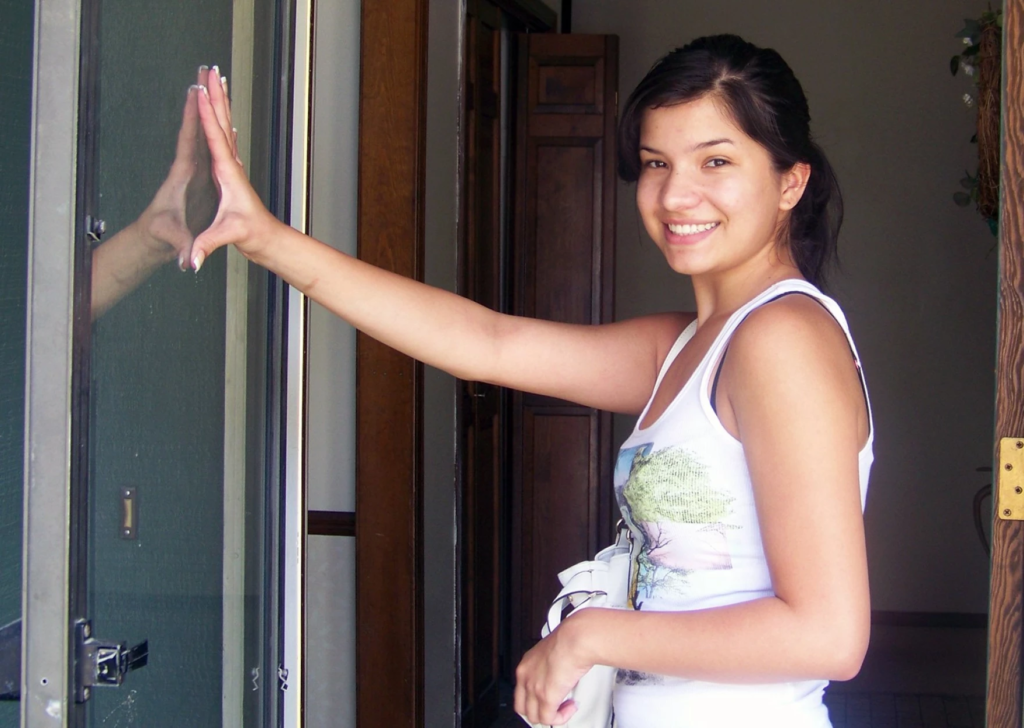
Sarah Brooke Gonzales-McLinn was born on July 9, 1994, in Topeka, Kansas, the second child of Michelle Gonzales and Robert McLinn. She had one older sister, Ashley, three years her senior. The household was turbulent. Her parents’ divorce was bitter and consuming, and both parents, according to the clemency materials later compiled on Sarah’s behalf, immersed themselves in new relationships during this period, leaving Sarah and Ashley to take on what was effectively a parenting role within the home. Sarah would later describe her father as weak and emotionally unavailable. She was homeschooled during her formative years, leaving her, as a prosecution psychologist would later testify, deficient in social interaction and poorly equipped for the transitions ahead.
The first assault on Sarah’s sense of safety happened when she was between three and five years old. A neighbor, described in the clemency application and Dr. Marilyn Hutchinson’s forensic evaluation as demented, would bring her to his shed near the family’s backyard. There, he forced her to watch as he skinned dead animals before sexually assaulting her with a gardening instrument. Her parents, according to the application, failed to recognize what was happening or to address the trauma that followed. Sarah began having nightmares that would persist for years.
By her pre-teen years, the accumulation of trauma had produced visible behavioral changes. She was sneaking out of the house at night, drinking, and gravitating toward people who offered escape rather than stability. Her parents took her to a psychologist, but the situation did not improve. She attended Shawnee Heights High School before eventually graduating from Topeka High School in 2012. At 14, looking for independence, she took a job. The place that hired her was one of Harold Sasko’s CiCi’s Pizza restaurants.
The Man Who Called Her Daughter
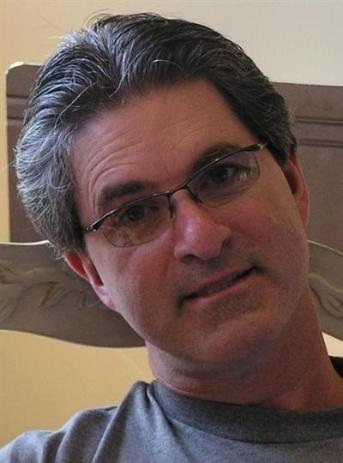
Sasko was 50 years old when he hired Sarah. The age gap was 36 years. Within the restaurants, his management style was later described in court by a former manager, Terry David, as deliberately predatory: Sasko had instructed his managers to hire only young, attractive women. When David warned female employees to be watchful, Sasko was furious. David would later say Sasko was a wolf in sheep’s clothing with clear ulterior motives. Sarah, already struggling with addiction and erratic behavior, managed to keep her job even on days she arrived visibly impaired, because Sasko, as her co-workers observed, always stepped in to protect her.
When Sarah was 16, she was raped again, this time by an older male acquaintance who burned her twice with a cigarette and threatened to kill her and her entire family if she disclosed what had happened. She did not go to police. Her mental health collapsed. She lost her job, lost her friends, and stopped functioning. Some months later, she attempted to take her own life. Her family found her in time. She spent five months in hospital recovering.
It was during her recovery that Sasko reached out. He offered to be her life coach, her mentor, her sounding board. He took her out for meals, listened to everything she had endured, and asked thoughtful questions. He presented himself as a father figure, a stable adult who wanted nothing more than to help her. He was already dating a woman named Kimberly Qualls at the time Sarah moved in. He told Qualls that Sarah was a troubled former employee who needed somewhere to stay temporarily while she sorted out a drug problem. He encouraged Sarah to call him Dad. He told neighbors and his insurance company she was his stepdaughter. He was 50. She was 17.
The Debt
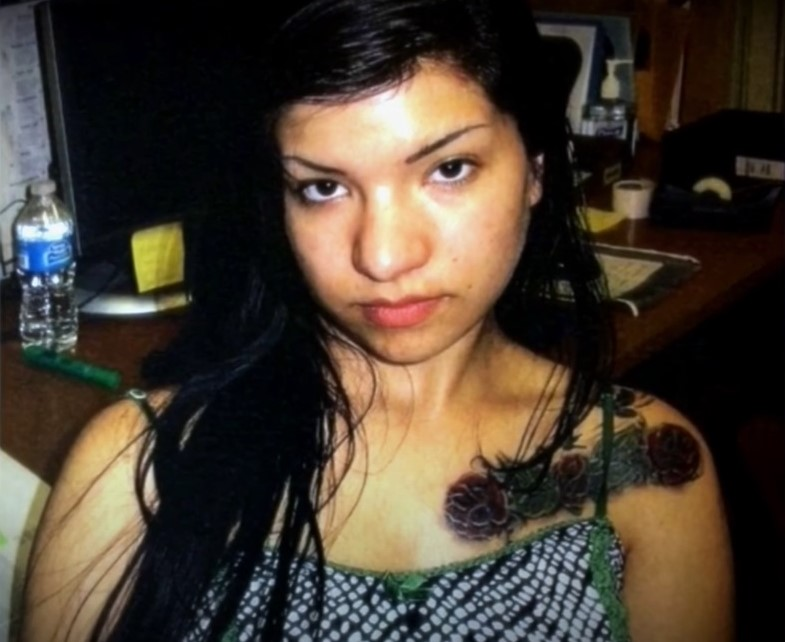
For a short while after Sarah moved in, life in the house on West 26th Street offered her something that had eluded her for years: a degree of stability. She found new employment at a Bed, Bath & Beyond in Lawrence. She thought about college. She brought Sasko’s chocolate lab, Oliver, along with her own sense of domestic routine. But once she settled, Sasko began to change.
He kept a ledger. Every item he had purchased since Sarah moved in was recorded: rent, food, alcohol, drugs, cosmetics, medical expenses. He told her she could not leave until the debt was repaid. He began buying her cocaine and alcohol and making explicit sexual jokes. He told her he had connections and that running would have consequences.
When Sarah turned 18, according to her account, the pressure became intolerable and she gave in to his advances. What followed was a sexual relationship sustained, she later said, by heavy drinking and drug use to get through it. It happened multiple times per week for approximately ten months. During appellate testimony, Sarah estimated approximately 100 sexual encounters in total. When her appellate attorney asked what happened when she refused, she answered: ‘I feel like he would just act like he didn’t hear me. And just continue.’
Sasko reinforced the financial trap methodically. He paid for a rhinoplasty and buttock implants for Sarah, and added both procedures to the debt she owed him. He deposited her paychecks into an account he controlled. He criticized her appearance, then offered to fix it, then billed her for the fix. Sarah’s own words, recorded later for her clemency advocates, described the dynamic plainly: “I think more than anything he made me feel he owned me. I was a toy to him, like his personal Barbie doll. That’s what he tried to make me.”
The two also shared aliases. Sasko called Sarah “Vanessa.” She called him “Scott.” According to testimony at the preliminary hearing, they had spoken at some point about running away together and starting a new life somewhere else. Whether the aliases were Sasko’s way of sustaining that fantasy or another mechanism of control was never established. What was clear from testimony was that Sasko had also discussed his own suicidal thoughts with Sarah, told her his business was struggling, and that she owed him money she could never repay.
The people around Sarah could see something was wrong. Co-workers at Bed, Bath & Beyond described her as quiet, unusually reserved, and evasive whenever asked about her relationship with Sasko. She insisted to all of them that he was her stepfather. Nobody pushed. Nobody intervened. According to one co-worker, Trustin Jacobs, the Friday before Sasko’s death, Sarah was excited about a new social group who took methamphetamine and watched each other fight. He told her someone was going to get killed. She was not concerned.
What She Left in the Laundry Room
Some time before January 14, Sarah had purchased a rabbit from a pet store, signed a waiver of care, and brought it home. She killed it herself. She later told investigators it was not the first rabbit she had killed. Greg Kelley, Sasko’s nephew, visited the house around this time and opened the refrigerator looking for a beer. He found the skinned rabbit carcass instead. Sarah showed him how she had used the knife on the animal, demonstrating the technique. Kelley later told police she had put thought into it. He left and said nothing to authorities until after the murder.
Hidden in the laundry room, investigators later discovered a four-foot section of sheetrock. On its face, someone had sketched a stick figure with its abdominal organs labeled major organ one and major organ two. The thighs were circled with the label major blood vessel and arrows pointing to the groin. The sheetrock was covered in cuts and dents consistent, the detective testified, with someone throwing a knife at the figure repeatedly. The blade had made the cuts. The handle had made the dents.
A confidential police report compiled after the murder documented a pattern in Sasko’s behaviour that none of his community acquaintances had reported to authorities. According to the report, cited in post-conviction coverage by the Kansas Reflector, Sasko consistently gravitated toward girls who had been ‘abused, battered, dumped, trouble with the law, or massive complaints about their moms.’ Sarah fit every category.
On the Tuesday morning before his death, Sasko sent Sarah a text. According to the clemency application, which obtained the message from police records, it read: ‘Hey good morning, thank you for last night. It was good, we never got to talk about Sunday. I apologize for trying to sleep with you.’ That afternoon, he texted again, asking her to put beer in the refrigerator for him. Sarah later told Dr. Hutchinson she interpreted this to mean he would be drinking that night, and that she would be raped.
Sarah’s computer search history, retrieved by investigators and presented at trial, contained searches from December 2013 into early January 2014: how to get a passport in Lawrence, rape bondage techniques, and vulnerable neck spots.
On January 11, she also searched: ‘Why do I feel so differently from other people?’ That same day, she texted her sister Ashley: ‘I’m starting to realize I don’t want to be tied down to a job or debt. I want real freedom and I know how to get it, but it means giving up a lot. I feel like a caged animal right now and it’s making me crazy.’ She had decided, she would later tell detectives, approximately five days before she acted.
January 14, 2014
That evening, Harold Sasko came home from work. The speaker system had been malfunctioning and he spent the evening repairing it, drinking the beers Sarah brought him. She had ground five of his own Ambien sleeping pills into a powder and dissolved them into his drinks. When Sasko passed out on the living room floor, she zip-tied his wrists and his ankles. She located his artery.
She took the large black survival knife and drove it into his neck as far as it would go, then cut side to side. The tip of the blade struck the carpet beneath his body. A toxicology report later confirmed the crushed Ambien in his system.
Afterward, Sarah turned on music, showered, and straightened her hair. She called Sasko’s restaurants to say a relative had died and she needed a few days off. Her co-workers later testified she was crying convincingly enough that they believed her. She packed her belongings, picked up Oliver the dog, and walked out to Sasko’s 2008 Nissan Altima. She left her own cell phone and laptop on the kitchen counter. Before she left, she tried to write FREEDOM in Sasko’s blood on the wall. She got as far as F and R.
Eleven Days
Three days passed before Sasko’s body was found. When officers arrived and discovered the scene, Sarah’s absence became the immediate focus of the investigation. Her phone, left behind on purpose, was on the kitchen counter. Sasko’s car was gone.
Investigators established through K-Tag records that his car had entered the Kansas Turnpike at Lecompton just after midnight on January 15 and exited near the Oklahoma border later that morning. Sarah’s family then told police she had attempted to call her grandmother from a series of pay phones. Surveillance footage at the convenience stores confirmed it was Sarah, alone, driving south.
She had initially planned to go to Texas. She changed course and drove to Florida. She wanted to see the ocean and get a tattoo. The tattoo she had chosen was a passage from the Sue Grafton true crime novel I Is for Innocent: Beware the dark pool at the bottom of our heart. In its icy black depths dwell strange and twisted things.
When National Park Service officers found her on January 25, 2014, she was in Sasko’s car, sleeping illegally in Everglades National Park. Inside the vehicle were three firearms, an axe, two knives (one with Sasko’s blood on the blade), $2,400 in cash, and Oliver.
A Lawrence detective flew to Florida and interviewed her the following day for three hours. Sarah told him she had killed Sasko because she wanted to know how it felt to kill someone. She was charged with first-degree premeditated murder three days later. Her advocates would later note the speed of that filing as virtually unprecedented for Douglas County.
The Trial
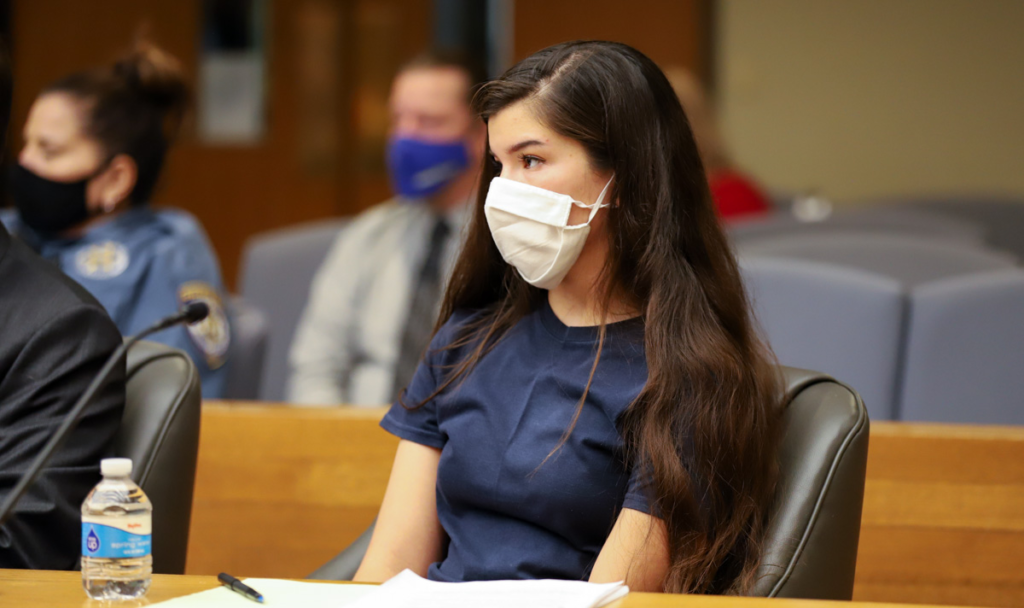
Sarah Gonzales-McLinn stood trial in March 2015, at 20 years old. Her defense attorney, Carl Cornwell, argued that she should be found not guilty by reason of mental disease or defect. The foundation of his case was a diagnosis of dissociative identity disorder (DID), delivered by forensic psychologist Dr. Marilyn Hutchinson, a specialist who had testified in more than 300 murder trials nationwide, the majority involving battered woman syndrome cases. Her evaluation of Sarah spanned eight sessions totaling 17.5 hours.
Dr. Hutchinson described what she called the System of Sarah, four fractured identity states that had formed in direct response to the years of childhood and adolescent trauma. Alyssa was the protector, combative and strong. Vanessa was tearful, anxious, and depressed, the part of Sarah that had been planning suicide as her only way out of Sasko’s house. Myla was feminine and compliant, functioning as a kind of caretaker for Vanessa. The fourth had no name. It bore the accumulated weight of every trauma Sarah had endured.
Dr. Hutchinson’s account of the night of the murder was granular. It was Alyssa who had drugged Sasko and bound him. Vanessa briefly resurfaced and cut the zip ties, unable to go through with it. Then Alyssa retook control, rebound Sasko’s wrists, and killed him. Cornwell argued that this fragmentation of identity meant Sarah herself could not form the criminal intent required for a conviction. She had not, he told jurors, been in control of herself.
The prosecution offered the jury a simpler account. Assistant District Attorney David Melton walked jurors through the evidence of premeditation: the search history, the sheetrock target, the killed rabbits, the crushed Ambien, the alibi phone calls, the methodical disappearance. Then jurors were shown the video of Sarah’s post-arrest interview, in which she described, without visible emotion, wanting to see how killing felt. Jurors deliberated for more than four hours and returned a guilty verdict.
What the jury never heard: Judge Paula B. Martin had suppressed all evidence of the abuse Sarah alleged she had suffered at Sasko’s hands. His sexual coercion, the financial control, the debt, the threats, none of it was admissible. The judge ruled that since Sasko was not present to defend himself, allowing such evidence would be unfair to him.
The word rape does not appear once in the transcript of Sarah’s post-arrest interrogation. Officers spent fewer than four minutes asking about the sexual nature of their relationship. Sarah, like the majority of trafficking victims, did not identify herself as a victim of sexual violence during that interview. In September 2015, Judge Martin sentenced her to the Hard 50: life in prison, no possibility of parole for 50 years.
What Emerged Afterward
After Sarah went to prison, the fuller picture of Harold Sasko began to take shape in ways the trial jury never saw. Post-conviction investigators and advocates for Sarah’s clemency petition assembled a detailed record. Sasko had downloaded hundreds of videos of violent pornography on his phone and had visited websites featuring children, teenagers, and bestiality. He had visited websites depicting men fondling or having sex with women who appeared to be unconscious at least 20 times. A camera and flash drives found on a desk in his bedroom contained images that investigators acknowledged existed but that advocates were not permitted to view. Sasko had searched Google for the term sex addict. Sasko’s own nephew, when told about the nature of the relationship, reportedly stated that sex with a kid is indecent.
Days after Sasko’s death made the news, an anonymous mother of twin 16-year-old girls came forward to police and reported that she had long suspected Sasko of grooming her daughters. According to the clemency petition, in the days immediately before Sasko died, she and the girls’ high school counselor had been discussing whether to file a no-contact order against him. He had sent the girls gifts with inappropriate messages and had offered to let them move into his home after their mother ordered him to stop contact.
In 2019, Sarah’s new attorney Jonathan Sternberg filed a motion arguing that Cornwell had provided ineffective counsel. The correct defense strategy, Sternberg argued, had always been the battered woman’s defense, not the DID insanity argument. The case should have been built around what Sasko had done to Sarah, not around whether she had been mentally present when she killed him. “This wasn’t simply a question of her having dissociative identity disorder,” Sternberg told the Lawrence Journal-World. “She was held in sexual and financial slavery by Mr. Sasko for essentially over a year.” The argument succeeded. In May 2021, in what Sternberg described as a virtually unprecedented joint motion in Kansas, the court reduced Sarah’s minimum sentence from 50 to 25 years in exchange for her dropping her remaining appeals.
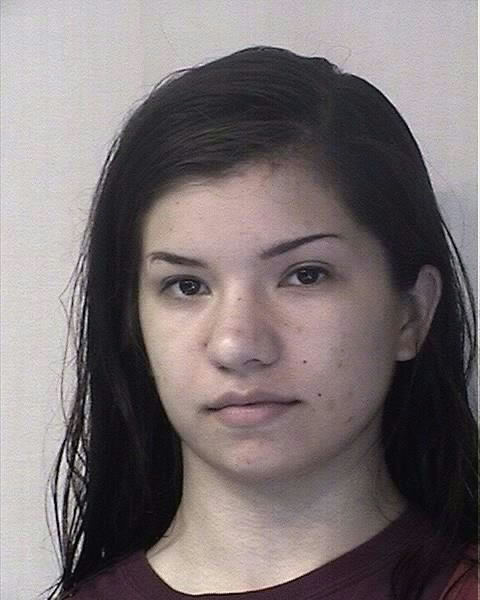
Still Waiting
As of late 2024, Sarah Gonzales-McLinn remains incarcerated at the Topeka Correctional Facility. A clemency petition filed in December 2022, signed by 32 individuals including medical professionals, former law enforcement officers, Lawrence community members, and a former Topeka mayor, remains under active review by Kansas Governor Laura Kelly. Her earliest possible release date without clemency is 2039. She will be 44 years old.
In a statement written for the clemency effort, Sarah described what she hopes for. “In a lot of ways, I just want to be normal,” she wrote. “I want to hit the milestones that a lot of people my age do. Work, spend time with my family, finish college, hang out with friends, buy a home, go on vacations, just live my life. I also know that I have a strong desire to share my story. With the hope that it can help someone who is struggling to make it through something similar.”
Sarah Gonzales-McLinn was between three and five years old the first time an adult in her community harmed her in his shed while she watched him skin animals. She was 14 when she walked into Harold Sasko’s restaurant looking for work. She was 17 when she moved into his house. She was 19 when she killed him. She has been in prison since.
