
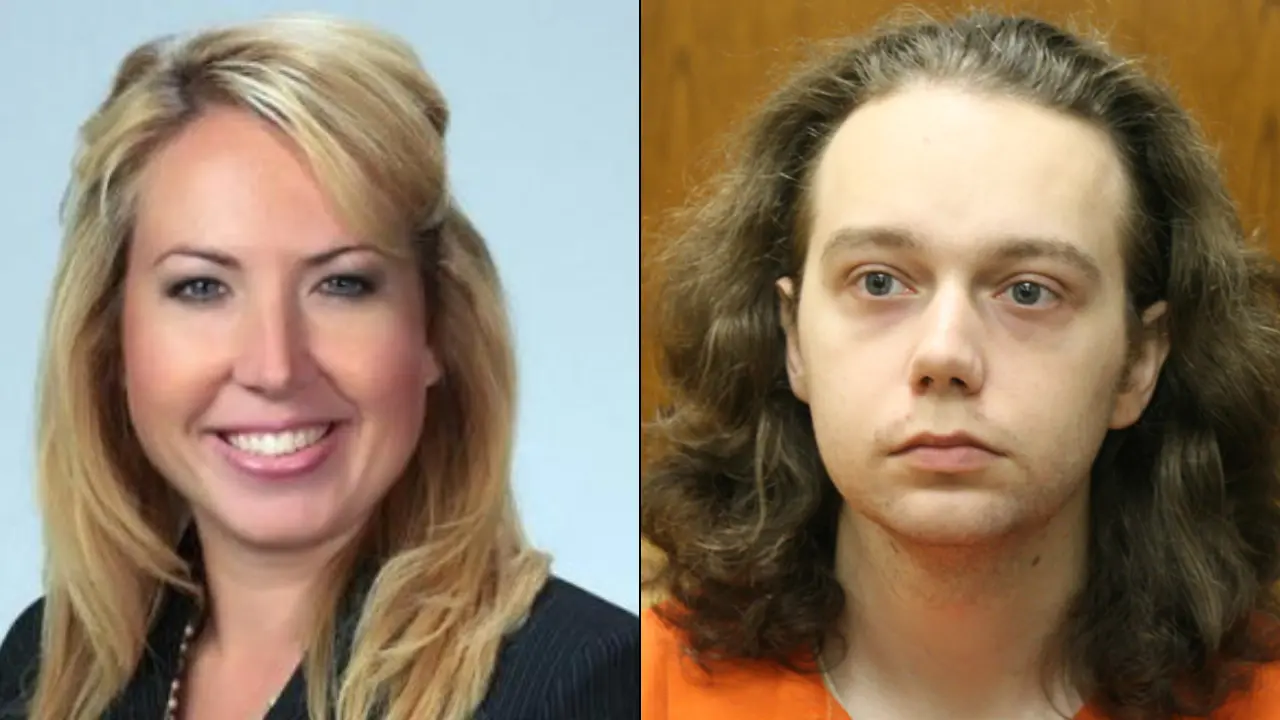
On June 30, 2011, a camera crew from Macon Fox affiliate WGXA found McDaniel outside the Barristers Hall apartment complex. He had spent the previous days presenting himself as a frantic, grieving friend. He had joined search parties, spoken to reporters, and helped other students comb through Lauren’s apartment looking for clues. When the reporter asked about a body police had just recovered near the building, McDaniel’s face changed in real time. He faltered mid-sentence. He said he needed to sit down. The interview ended.
Investigators had already been watching him. The performance confirmed what they suspected.
Lauren earned her law degree
Lauren Teresa Giddings was 27 years old, the eldest of three sisters, and the first member of her family to attend college. She had graduated from Mercer University School of Law in Macon, Georgia, and was living in the Barristers Hall apartment complex directly across from the campus, studying for the Georgia bar exam. She intended to become a public defender.
Her family described her as vibrant and tightly connected to them despite the distance between Macon and their home state of Maryland. She called home every Sunday. She had just attended her younger sister Kaitlyn’s wedding in Maryland before returning to Macon to study. Her family expected weeks of silence during bar prep. They were not, at first, alarmed.
At some point before her death, Lauren had mentioned something to her family in passing. When she came home sometimes, she said, it felt like things had been moved around in her apartment. She said it without urgency. She had not reported it to anyone. She was busy preparing for the biggest professional exam of her life, and she did not dwell on it.
Stephen McDaniel had lived in the apartment next to hers since the fall of 2008. They had been classmates at Mercer Law. Both belonged to the school’s Federalist Society chapter, where Lauren served as president and McDaniel as vice president. Friends described him as quirky but intelligent. Some said he unsettled them. He had an obsession with zombie films and zombie culture that others found unusual in its intensity. On more than one occasion, he had asked people around him how someone could commit the perfect murder. He had once asked Lauren on a date. She had declined.
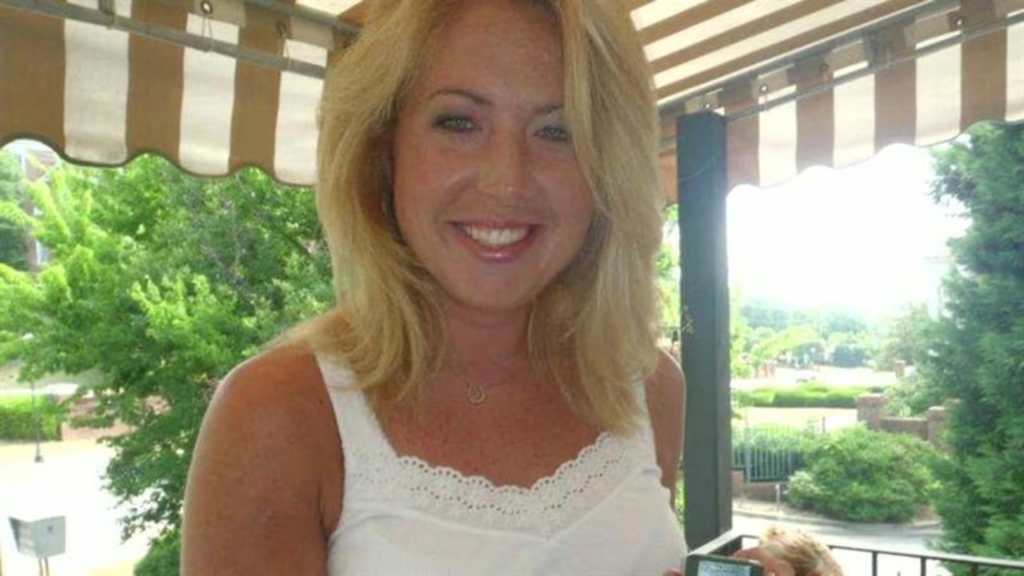
Friends noticed, then called police
By June 27, one day after Lauren was killed, friends and family began to register her silence. They assumed she was studying. When texts went unanswered and calls went to voicemail on June 29, unease became alarm. Kaitlyn called Lauren’s friends in Atlanta, called hospitals, and eventually contacted the Macon police to file a missing person’s report. Their father drove down from Maryland immediately.
Police visited Lauren’s apartment and found no signs of a break-in. They left.
On June 30, a friend used a hidden key to enter the apartment and called Kaitlyn with what she found. Everything was there. Lauren’s purse, her keys, her wallet, her phone. Her car sat parked out front. Kaitlyn’s uncle, a Washington D.C. police officer, told her to go outside, close the door, and call 911 immediately.
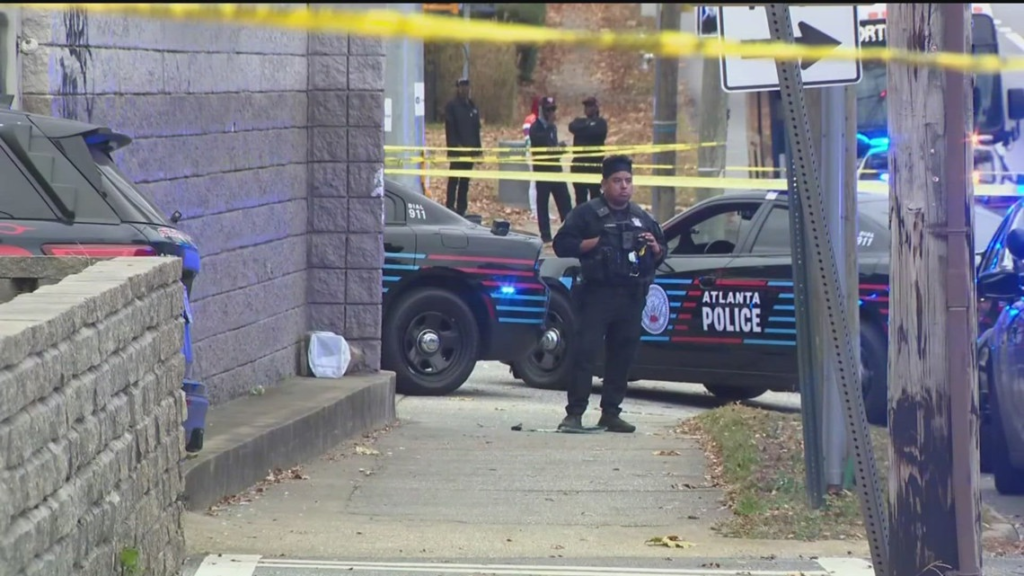
When officers returned and expanded their search outside the complex, they found a trash bag inside a dumpster. Inside was Lauren’s torso. Her head and limbs were not there. The dumpster had been scheduled for waste collection that same morning. The truck arrived late. Had it run on time, Lauren’s remains and other DNA evidence at the site would have been gone before investigators got there.
Lauren’s family found out through a news check. Her uncle, who had driven over and was standing quietly in the corner of the room, asked whether anyone had looked at the news. He told them they had found a body. The room went hysterical. Her mother’s first instinct was to ask whether they were certain it was her. They were.
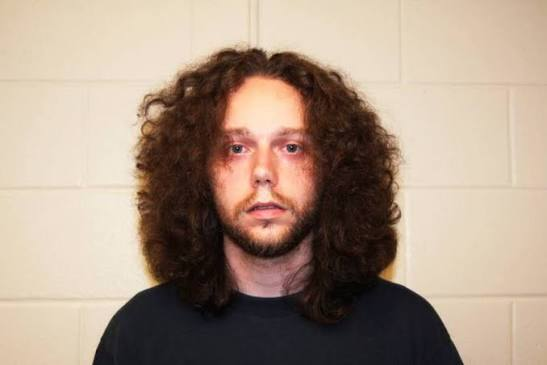
McDaniel performed grief on camera
Stephen McDaniel had been part of the search for Lauren from the beginning. He had gone door to door, been present when friends entered Lauren’s apartment, and agreed to speak to the press. On June 30, he stood in front of a WGXA camera as a concerned friend desperately seeking his missing neighbor.
When the reporter mentioned that police had recovered a body near the building, McDaniel said he did not know whether it was the same person, trailed off, said he thought he needed to sit down, and ended the interview. The footage of that moment was later seen by millions of people online.
In a separate comment to press the same day, McDaniel said he wished he had lent Lauren one of his guns so she could have protected herself.
He knew she was not going to be found alive.
Investigators arrested him that afternoon on unrelated burglary charges. They had been watching him closely for hours.
Evidence dismantled his story
What police found when they searched McDaniel’s apartment and devices destroyed every version of himself he had presented. He had both a master key to the building and a personal key to Lauren’s apartment. He possessed a flash drive containing hundreds of her personal photographs, taken from inside her apartment, indicating he had entered her space and accessed her belongings on multiple occasions before her death.
His computer search history showed repeated visits to her Facebook and LinkedIn profiles, sometimes in the same sessions as searches for violent pornography. Items of Lauren’s clothing, including underwear, were recovered from his room. Investigators also found separate illegal material on his devices: among the charges eventually filed against him were 30 counts of sexual exploitation of children, later dismissed as part of his plea agreement.
When first asked about a search of his apartment, McDaniel told detectives, “It’s the lawyer in me,” explaining he was always protective of his space. He eventually permitted officers to walk through with him present, under the pretense of looking for clues about Lauren.
During his interrogation, investigators noticed fresh scratches on his stomach. Police said the marks were consistent with defensive fingernail scratches. McDaniel said he must have cut himself in his sleep.
The most consequential piece of evidence was a deleted video. McDaniel had duct-taped a small camera to a wooden pole and held it up outside Lauren’s window to film her movements on the night he killed her. Investigators recovered the footage after it was deleted from the device. It established that the murder was premeditated. A hacksaw blade with Lauren’s DNA on it was found in his apartment.
His interrogation lasted more than twelve hours. When detectives placed a photograph of Lauren in front of him and asked what he knew, he answered “I don’t know” in a flat, steady voice. Repeatedly.
In August 2011, McDaniel was charged with murder.
McDaniel confessed in open court
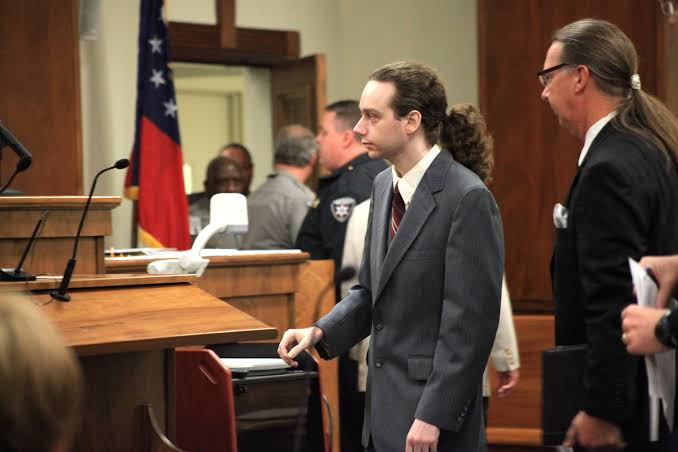
The case did not go to trial. In 2014, McDaniel accepted a plea deal that required him to stand in open court and deliver a complete verbal account of what he had done, in exchange for a life sentence and the removal of the death penalty. The judge dismissed the additional charges uncovered during the investigation, including the burglary count and the 30 counts of sexual exploitation of children.
McDaniel told the court that at 4:30 in the morning on June 26, 2011, he entered Lauren’s apartment using a master key while wearing a mask and gloves. Lauren woke. She looked at him and said, calmly, to get out. He crossed the room and strangled her with his hands. During the struggle, she pulled the mask from his face. She said: “Steven, please stop.”
The following day, McDaniel dismembered her body in the bathroom using a hacksaw. He cleaned the apartment. He scattered her remains between a dumpster on campus and a trash container outside the complex. Then he went outside and joined the search for her.
He told authorities where the remaining parts had been placed. They were never recovered.
A life sentence without closure
Stephen McDaniel was sentenced to life in prison with the possibility of parole after 30 years. He becomes eligible in 2041. As of 2026, he is incarcerated at Hancock State Prison in Hancock County, Georgia.
In 2018, his father, Mark McDaniel, launched a GoFundMe campaign to raise money for his son’s legal costs. The page was taken down. Stephen McDaniel represented himself that same year in a retrial attempt, arguing his constitutional rights were violated during the search and that his original attorneys had failed him. The appeal was denied. A further habeas corpus petition followed in 2022, claiming trial preparation materials had been stolen by the district attorney. It too was rejected.
Lauren Giddings’ family has never been able to bury her complete remains. Her parents have spoken publicly about the particular weight of that absence. She was 27 years old. She had just become the first person in her family to earn a law degree.
