
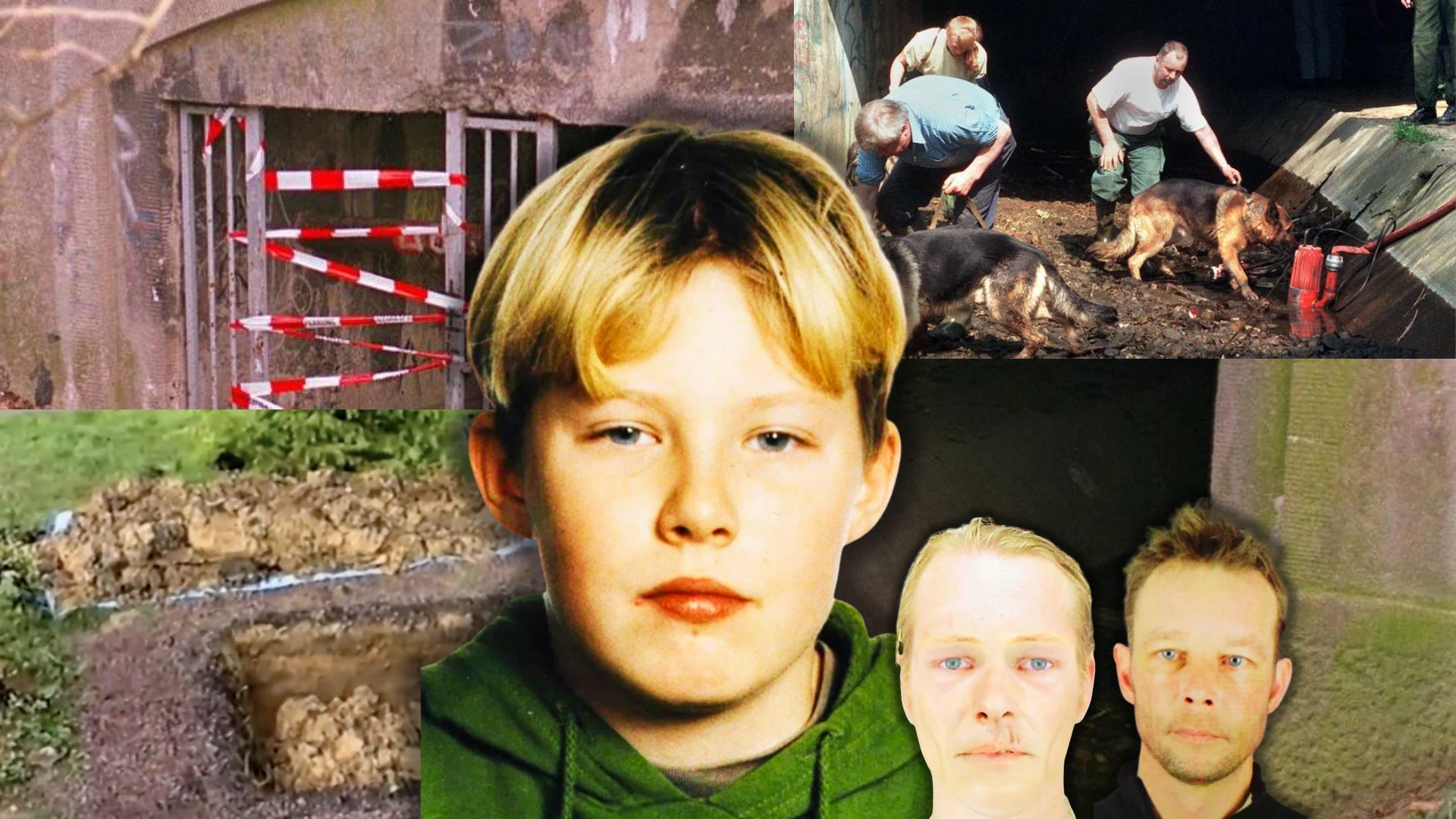
At approximately 3:20 p.m. on March 26, 1998, a woman sat on a bench in the Bruno-Asch-Anlage park outside Frankfurt-Höchst station when a boy sat down beside her and lit a cigarette. He was charming, she would later tell police, the type of child who talks easily to strangers. He told her he loved animals and asked to pet her dog. She let him. When she stood to leave and glanced back, two men had taken the seats on either side of him, one to his left, one to his right.
Tristan Brübach was 500 metres from the Liederbach Tunnel. He had between 10 and 25 minutes left to live.
He was 13 years old.
A Boy From Höchst
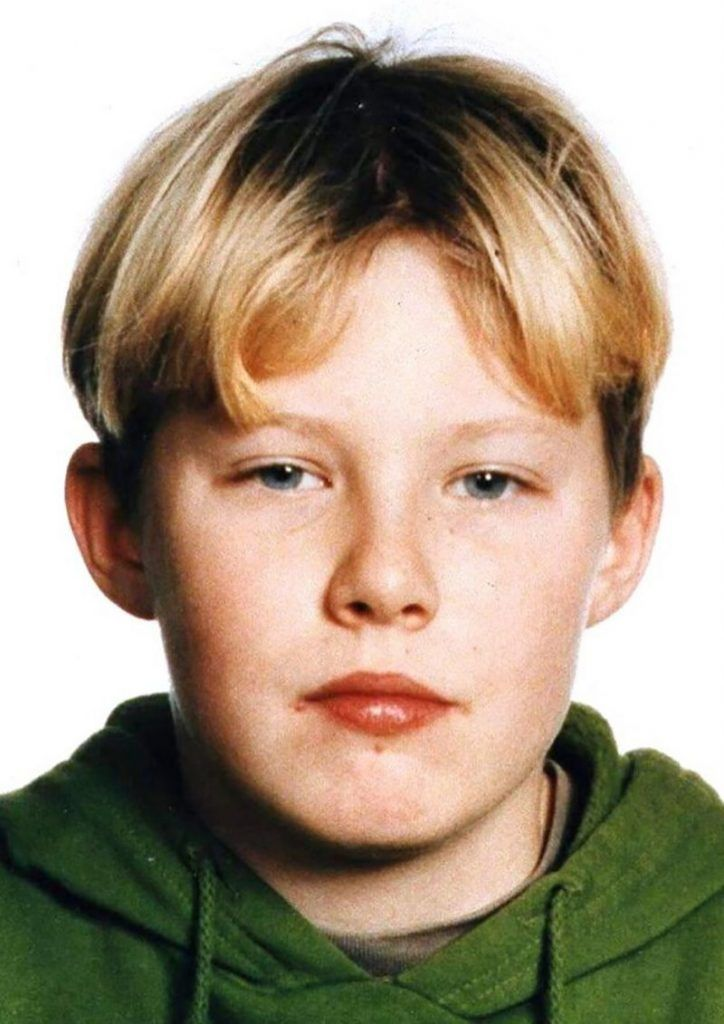
Tristan Brübach was born in Frankfurt on October 3, 1984, the only child of Bernd and Iris Brübach. The family lived in Höchst and Unterliederbach, suburban neighbourhoods on the western fringe of the city. He attended Walter Kolb Primary School in Höchst before transferring to secondary school in Sindlingen. Teachers described him as intelligent. At home, he spent his free time on his PlayStation and tending to his pet rabbit.
His mother Iris died by suicide in 1995, when Tristan was 10. Bernd raised the boy alone, working extra hours to keep the household together. Tristan’s grandmother moved in to help. In most situations Tristan was shy. Around animals he was a different person entirely: he would approach strangers of any age if they were walking a dog, striking up conversation with an ease he showed nowhere else.
By his early teens he had begun to struggle. He started smoking to fit in with older peers and endured repeated bullying and beatings from children in the area. He was, multiple witnesses agreed, easily influenced. But he was also streetwise and independent: he rode public transport alone, wandered the neighbourhood for hours, and had never encountered any trouble on his usual routes.
March 26, 1998 was the last day of school before Easter break.
The Last Morning
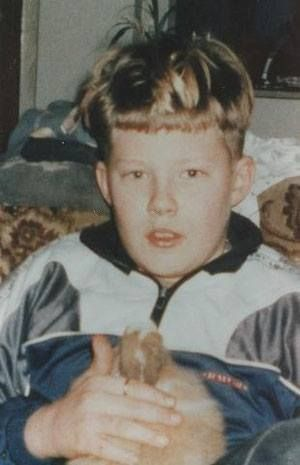
Bernd left the apartment at 4:30 a.m. for work, as usual. Tristan woke later and set out for school. At 8 a.m. he called his father from a telephone booth, complaining of back pain from the day before. Bernd suspected his son was looking for a reason to stay home and told him to go in, promising to book a doctor’s appointment. Tristan complied.
He arrived at school and spent the first period with his classmate Boris, smoking cigarettes on school grounds before attending their second class at around 9 a.m. The school day continued normally until lunch, when Tristan approached a teacher about the back pain. He told her he had fallen from a tree. She granted him early dismissal. A friend would later admit the injury had come from a rock-throwing game, but the story held.
At 1:30 p.m., Tristan left school. He boarded a bus at the Allesinastrasse stop and sat at the back. Boris, riding a parallel route, spotted him through the window and tried to get his attention. He couldn’t. Boris jumped off at the next stop and walked to Höchst station to find him. By the time he arrived, Tristan was gone. Boris waited briefly, then went home.
Between 2:15 and 2:25 p.m., a student walking home saw Tristan alone on a bench at the train station. At around 3:20 p.m. he was seen in the Bruno-Asch-Anlage park, less than 400 metres from the tunnel.
The Tunnel
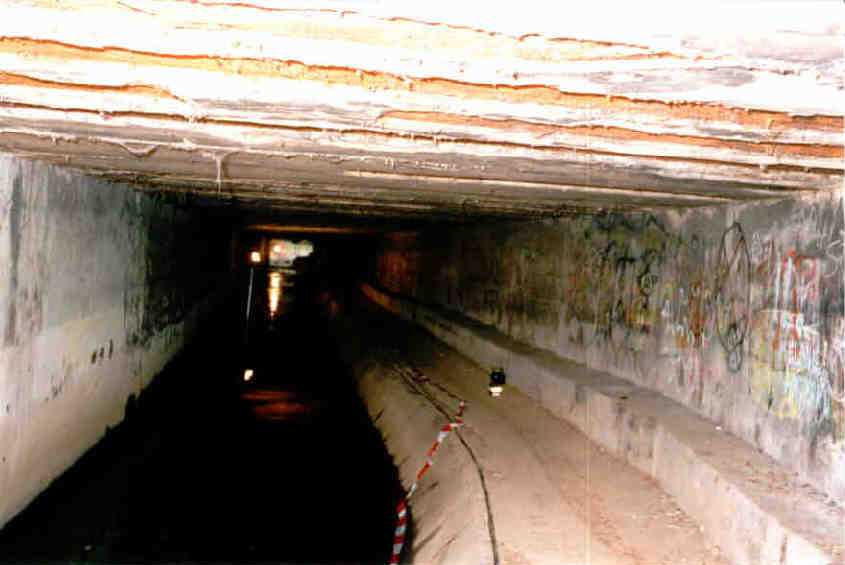
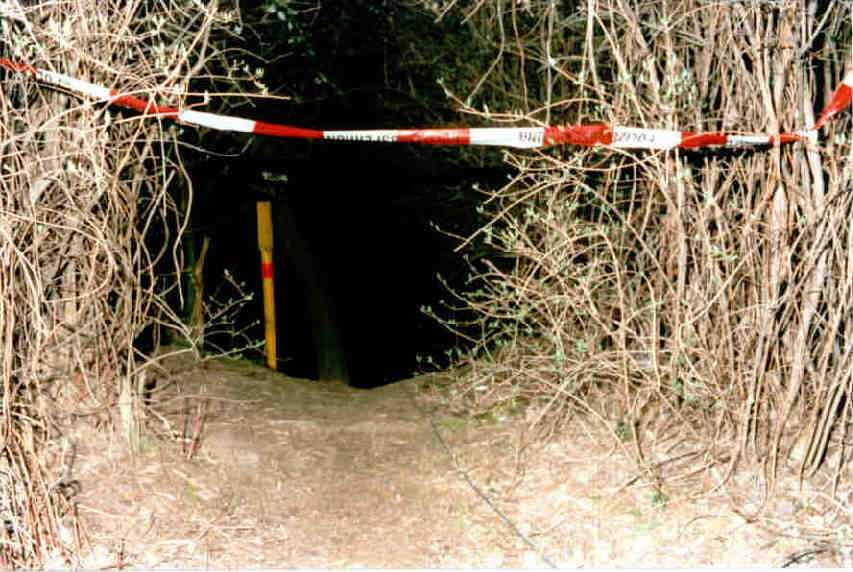
At approximately 3:50 p.m., a 12-year-old girl walked through the Liederbach Tunnel on her way home. Near the entrance, a man stepped out from behind a bush. He wore a hat. A blond ponytail dangled from beneath it. She noticed him and kept walking.
The murder had already happened.
Crime scene reconstruction showed that Tristan was swiftly ambushed near the river’s edge, beaten with heavy blows to his face until he lost consciousness, and strangled. His throat was then cut from ear to ear, deep enough to cut against the spinal cord, nearly decapitating him. His body was left at the water’s edge to bleed out, then dragged into the tunnel.
Inside, the killer removed skin and muscle tissue from Tristan’s buttocks and thighs in controlled cuts. His testicles were excised through what forensic investigators described as a professional incision along the pubic bone. The body was then arranged on the concrete base in a deliberate sleeping position, one shoe placed on top of him.
Rather than fleeing, the killer spent additional time emptying Tristan’s school bag at the southern tunnel entrance. In doing so, he pressed his thumb into the blood-soaked cover of Tristan’s German textbook. Alongside the thumbprint, investigators also recovered a partial DNA trace from the scene, too limited for mass database comparison, but preserved.
Investigators estimate the entire sequence, including the attack, the mutilation, the staging and the emptied bag, took less than 15 minutes.
At around 4:00 p.m., two children discovered the body. They went to find an adult. That adult walked to the tunnel to verify what the children had described before calling anyone. The police were not notified until 5:08 p.m.
The Suspect
Three teenagers had passed the tunnel entrance at around 3:30 p.m. and seen a man leaning over something on the ground. They watched for a couple of minutes, uneasy, then turned back and walked the long way to their destination. They had watched Tristan’s murder without realising it.
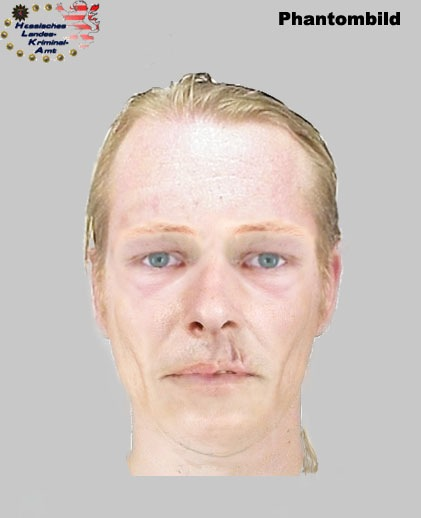
Their accounts, combined with those of other witnesses in and around the area, produced a composite that was refined multiple times. The man was believed to be between 20 and 30 years old, approximately 5 feet 7 inches tall, pale, with light-coloured eyes. His blond hair was tied in a ponytail or braid beneath a hat. His appearance was unkempt. Every witness who saw his face noted the same feature: a prominent scar or deformity on his upper lip, consistent with either a severe wound or a repaired cleft palate.
Tristan’s private tutor came forward roughly two weeks after the murder. In the days before his death, she said, she had seen him in the company of a man who closely matched the composite. She was certain she had seen this man before, on more than one occasion. She could not say where.
About a week after the murder, a man walked into the offices of a local law firm. He told the paralegal at the front desk: ‘I’ve only just been released from prison and I’ve already screwed up.’ The paralegal directed him to a criminal law firm nearby. He never went. He was never identified.
In 2008, two former employees of Justizvollzugsanstalt Höchst, the local prison, independently told investigators that a man matching the composite sketch had served time there. Lead investigator Uwe Fey sent requests for prisoner records to all roughly 400 German prisons and correctional facilities. Fewer than 80 responded.
The Phone Call
On April 7, 1998, the day after Tristan’s funeral, a man called Frankfurt police from a payphone at Höchst railway station. He said he had killed Tristan Brübach. He said he was at the station and would wait for officers to come and arrest him.
The caller described himself as 180 centimetres tall with long black hair, the opposite of what witnesses had reported. He spoke with a Frankfurt accent. Police raced to the station. The caller was gone.
Whether fingerprints were collected from the payphone, or CCTV footage reviewed, has never been publicly confirmed. A recording of the call has since been made public. The caller has never been identified.
The Man at the Station
In the months after the murder, children in Höchst reported that a dishevelled man had been seen regularly around the train station both before and after March 26, approaching children, asking them to run errands, occasionally giving them gifts. Tristan’s classmate Sasha Klump told police the man had followed him home on several separate occasions.
The reports had circulated among local children for some time. After the murder became public, the accounts were formally investigated. By March 1999, the man had disappeared from the area. He was never identified.
The Investigation
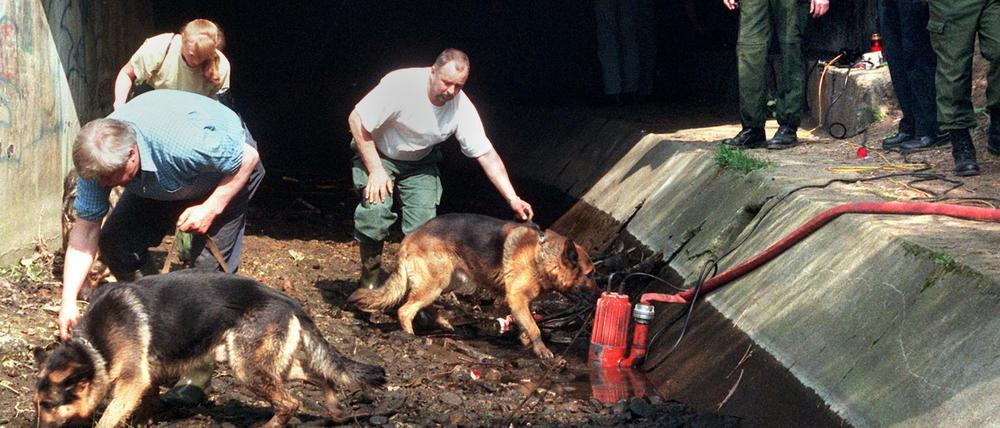
Frankfurt police assembled a special commission, known as Soko Alaska, to lead the investigation. Over 23,000 leads were processed. The composite sketch was distributed to more than 80 German prisons and shared with law enforcement worldwide. Frankfurt investigators worked with the FBI and Europol, examining potential links to murders and assaults across more than 80 countries.
No case anywhere in the world, they concluded, shares the injury pattern inflicted on Tristan Brübach.
In 2002, a mass fingerprinting programme began. All males aged 15 to 45 from Höchst and Unterliederbach, along with regular male commuters through Frankfurt-Höchst station at the time of the murder, were invited to submit prints voluntarily. More than 14,000 men participated. By 2014, 98.65% of eligible males from Höchst and 92.95% from Unterliederbach had complied. The 54 men who refused were individually investigated. More than 800 who had moved away after 1998 were traced and checked.
The thumbprint matched none of them.
In 2006, detectives undertook a complete review of the case file for the first time. A pattern emerged that had gone unnoticed across the separate accounts: multiple witnesses, at different times and locations on March 26, had independently described the same man, blond ponytail, scar on the upper lip, in and around the area near the tunnel. The individual accounts had never been formally cross-referenced before.
Investigators also attempted to obtain medical records from clinics that had treated patients for cleft palate, hoping to cross-reference against the suspect description. They were blocked. German data protection law prohibited police from accessing patient files without consent.
False Leads
An American woman contacted police and said her German ex-husband had killed Tristan. For seven months she provided information to investigators. Then she recanted, admitting she had fabricated the story to take revenge following a bitter divorce. She was fined for filing a false report.
In March 1999, Tristan’s school bag was recovered in a forest near Niedernhausen, 25 kilometres from the crime scene. Inside were a Czech-language road atlas of Germany and a blue plastic bag. Tristan had no connection to Czech culture, did not speak the language, and had no reason to own such items. Police expanded enquiries into the Czech Republic and Slovakia. Nothing came of it.
In May 2016, the Hessen State Office of Criminal Investigations announced that Manfred Seel had been named as a suspect. Seel, who died in 2014 at the age of 67, had spent decades in Frankfurt living what everyone around him described as an entirely ordinary life. He held the same job for years, raised a family, and played an active role in a local jazz band. After his death, his daughter cleared out a rented storage facility and found human remains alongside diaries containing detailed written descriptions and sketches of murders. Police confirmed Seel had killed at least five women, and possibly as many as nine, between 1971 and 2004.
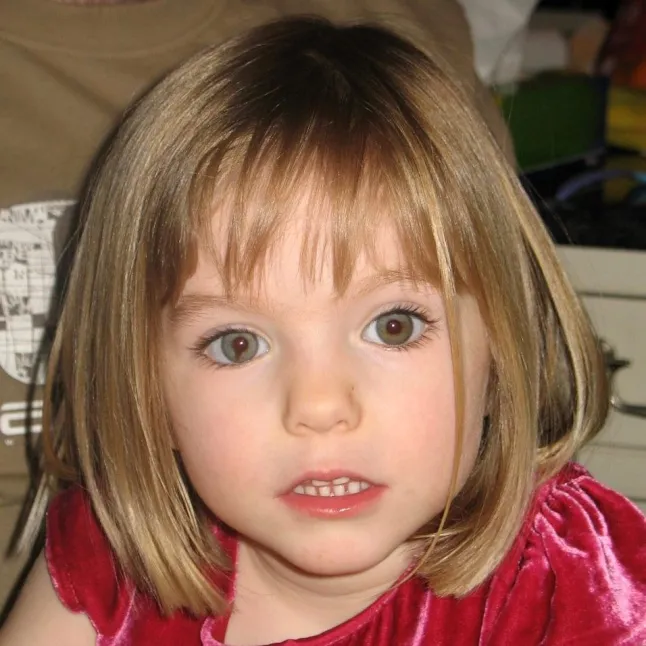
The connection to Tristan rested primarily on geography: Seel had lived in the same area. The post-mortem mutilation and removal of body parts also aligned with his documented pattern. But investigators found no evidence he had ever targeted young people, and none that he had ever targeted males. Three of Seel’s fingerprints were tested against the thumbprint from the textbook. None matched. In October 2017, Frankfurt police officially excluded Seel.
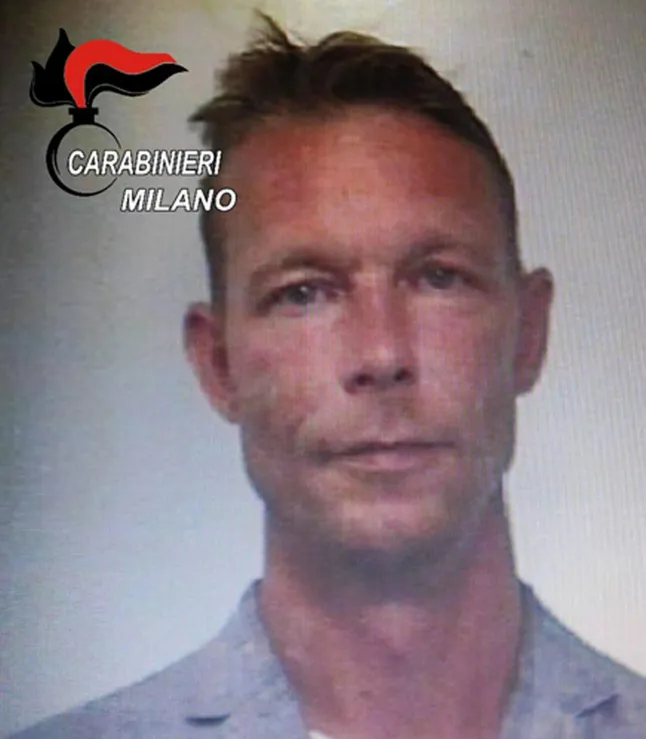
In June 2020, Frankfurt prosecutors confirmed that Christian Brückner, the prime suspect in the 2007 disappearance of Madeleine McCann, had been investigated in connection with Tristan’s murder as part of routine cross-case examination. Frankfurt prosecutor Nadja Niesen confirmed no evidence connecting Brückner to the case was found.
The Case Today
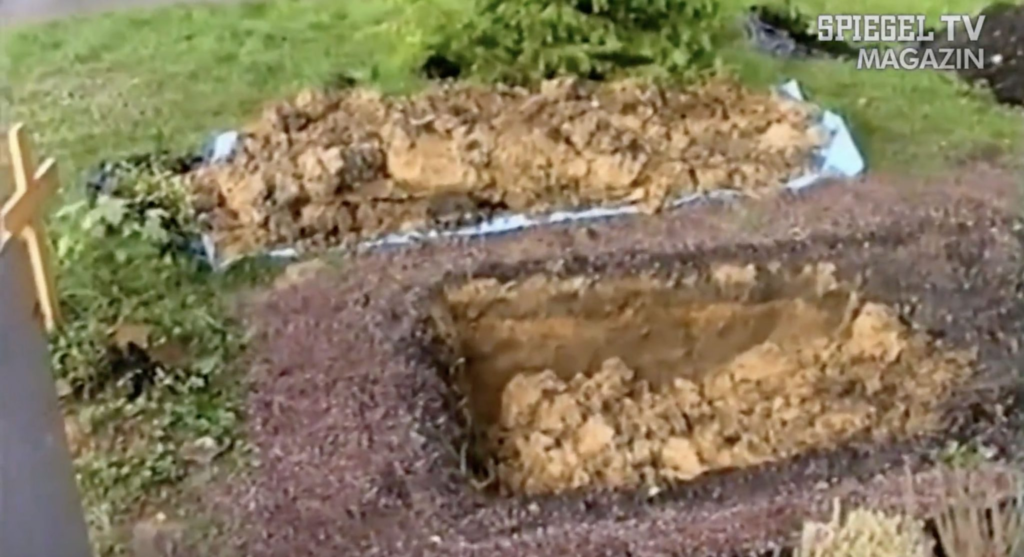
On a night in October 1999, an unknown person entered Höchst Cemetery and dug into Tristan’s grave. The soil was carefully placed onto a plastic tarpaulin beside the plot. The digging reached 1.2 metres, down to the level of the coffin. The coffin was not opened. Investigators believed the intruder was disturbed and fled. Police did not rule out that the killer had returned.
Bernd Brübach died in 2015, aged 59. He had never remarried and had no other children. With no family left to pay the plot fees, and Hessen’s statutory 20-year protection period expiring on March 26, 2018, the 20th anniversary of Tristan’s death, his grave was reused. A public fundraising campaign erected a memorial stone under a nearby tree, within sight of the original burial site. The inscription reads: Tristan, born 1984, murdered 1998.
The Liederbach Tunnel has been sealed since late 1998. The Frankfurt am Main Prosecutor’s Office offers a reward of 15,000 euros for information leading to a conviction. A private individual has added 5,000 euros, bringing the total to 20,000 euros. The BKA, Germany’s Federal Criminal Police Office, still carries an active wanted notice for the case. The thumbprint on the German textbook has been run against fingerprint databases from more than 70 countries.
It has never matched anyone.
Tristan Brübach left school early that Thursday because his back hurt. He stopped in a park and asked to pet a stranger’s dog. He was 500 metres from home. He never arrived.
