
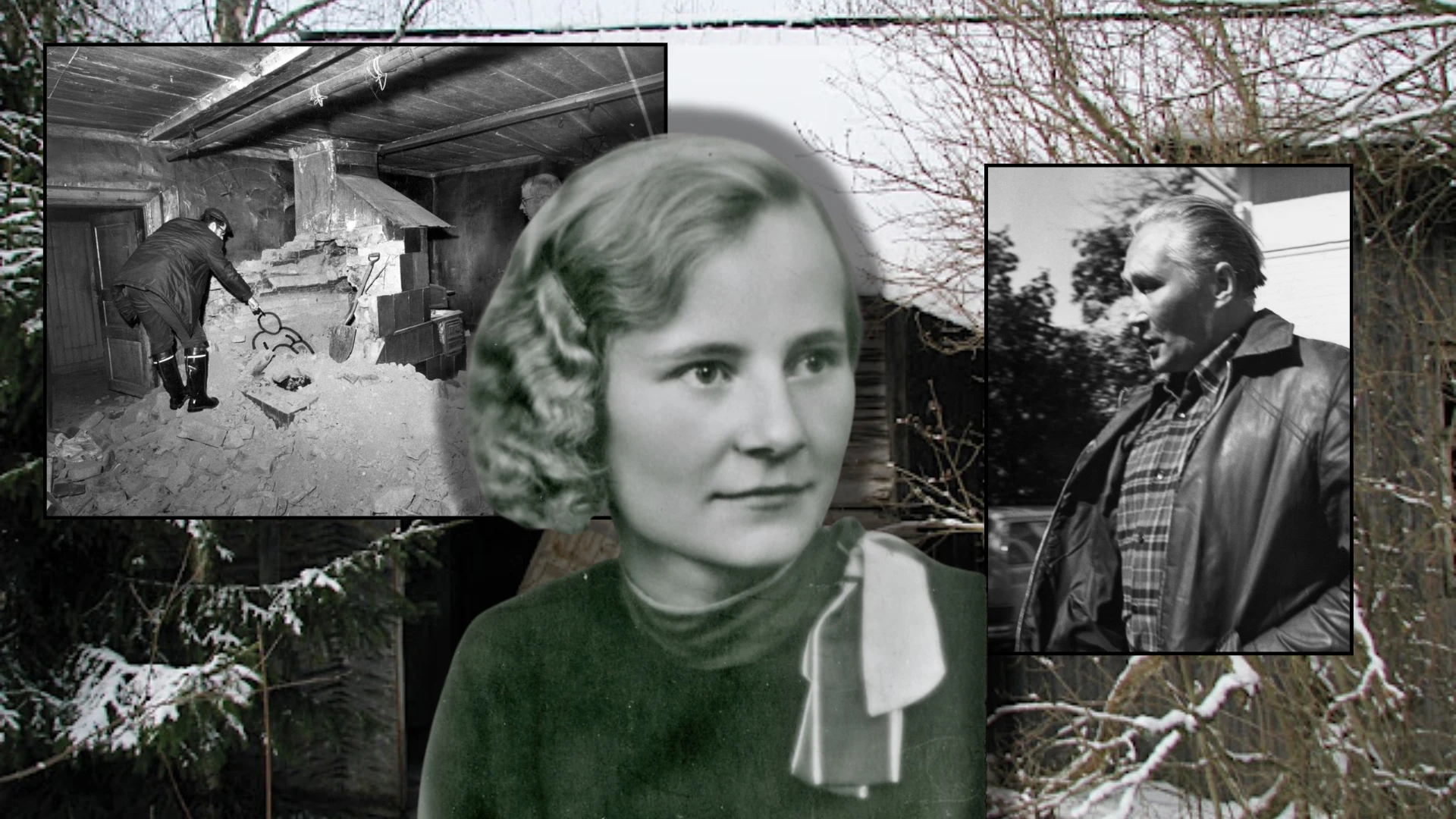
On November 27, 1972, Turku district commissar Gunnar Kivelä and his assistant arrived at a large wooden house in the village of Krootila, Kokemäki, Finland, carrying a warrant to dismantle a stone oven. The husband who lived there was taken to the police station before they started.
Constable Pentti Punkari worked through the sand packed inside, one metre deep, until his hands found something in the dark. He exclaimed, ‘Here are toes.’ A rubber boot came out of the wall. A foot came with it. Hilkka Hillevi Saarinen had been inside that oven since December 23, 1960. Her husband had been living in the same house for the entire twelve years that followed.
Pentti’s Violence
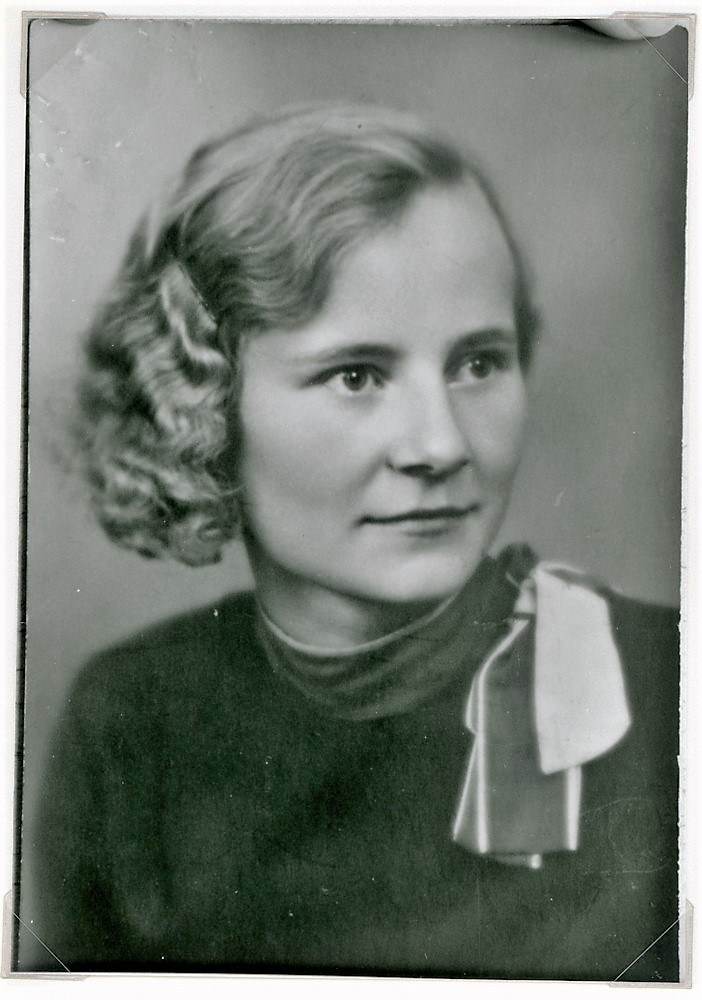
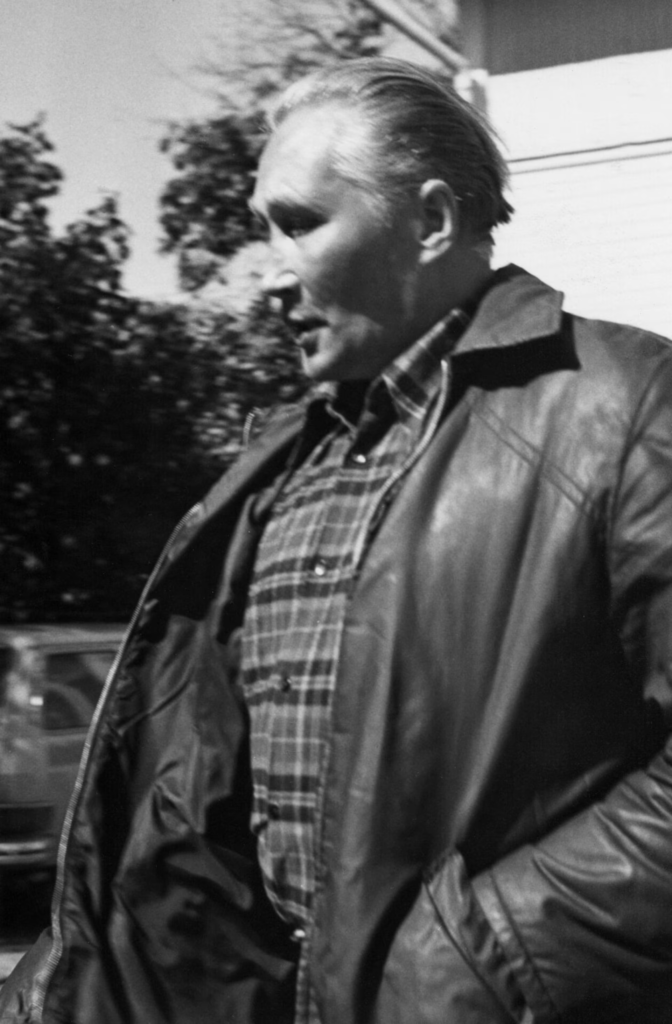
Hilkka Hillevi Saarinen, born November 1, 1927, had spent her entire life in Krootila. She had grown up in the large, old wooden farmhouse that had belonged to her grandparents, and when the time came, she inherited it from them. She and her husband, Pentti Frans Olavi Saarinen, had taken out a bank loan to buy out the other inheritors’ shares, and the house was entirely theirs. They had five children. Pentti, born March 24, 1920, worked as a stonemason, a trade in steady demand in the farming community around them.
The trouble began with alcohol. At first it was a few beers at the local pub. Before long, Pentti was spending most of the family’s income on drink and turning his frustrations onto Hilkka. He complained that she was a poor housekeeper and a terrible cook, this from a man who had spent the food money on bottles while his children went hungry. Villagers saw Hilkka around the village with bruises. According to witnesses and the children, it went much further behind closed doors. Pentti reportedly shoved Hilkka’s head into a bucket of feces. At the dinner table, he struck her with a fork because, he said, she had eaten like a pig. He had, according to the children, repeatedly threatened to kill her in a way that could not be detected.
Hilkka visited a doctor repeatedly for her injuries. The whole of Kokemäki knew what kind of man Pentti Saarinen was.
The deteriorating condition of the five Saarinen children eventually brought authorities to the house. All five were placed in foster care by the state. For the children, the removal offered some safety. For Hilkka, it removed the last witnesses from the home. She was now entirely alone with the man who had been brutalizing her for years.
She continued to be seen around the village with fresh bruises.
Christmas Day, 1960
On December 25, 1960, thirteen-year-old Seppo Saarinen arrived at the family home with a schoolmate for the Christmas holiday. He had told his parents to expect him the following day, wanting to arrive early as a surprise for his mother. The front door was unlocked. The two boys crossed the entry room and entered the foyer.
Pentti came racing out of the kitchen, locking the door behind him. He blocked the boys’ way and remarked on their early arrival. When Seppo asked where his mother was, Pentti said she had left while he was sleeping. Seppo suggested that Hilkka might be at a nearby house where she sometimes went to work for extra money. Pentti replied: ‘She’s never there.’
Something felt wrong. But Pentti was behaving no differently than usual, and nothing around the house appeared visibly out of place. Seppo let the question sit.
That changed later that night, when the boys needed extra bedsheets from the master bedroom. The only path to it ran through the kitchen. Pentti unlocked the door and escorted them through, keeping close. He claimed the kitchen lamp was broken and insisted they move in the dark. In the dim light spilling from the hallway, Seppo’s eyes landed on the stone oven at the far end of the room. He knew that oven. His parents had not used it in seven or eight years, and it had long since become a storage space, packed with household objects and utensils. Every one of those objects was now scattered across the kitchen floor.
Seppo asked why. Pentti said he had been cleaning it. He offered no other explanation. After that, he watched the boys through the windows whenever they went outside.
Seppo’s schoolmate left early, made uncomfortable by the atmosphere in the house. Seppo stayed on for the remaining days of the holiday, looking for any detail he had missed. He noticed one more thing: the pile of sand that had previously sat outside the cattle shed was gone. He could find no explanation for that either. He returned to his foster home.
Years of Silence
One month later, in January 1961, a neighbour reported Hilkka Saarinen missing. They also reported something else: Pentti had been opening all the windows and airing out the house in the depths of a Finnish winter. He had been digging a large hole in the garden. And when he lit a fire, neighbours had noticed a strange smell coming from the chimney.
Police came to the house and questioned Pentti. He stuck to his story. Hilkka had left while he was sleeping, he said. She had been wearing a long black coat and had taken some other clothes with her. The investigation stayed open for a while and then stalled. No new leads emerged.
In the years that followed, Seppo made repeated trips back to the cabin. He spent days at a time working through the house on his own, checking under the floorboards, inspecting the basement with a flashlight, running his hands along the stone foundations of the building. He found nothing.
In November 1966, six years after his mother disappeared, Seppo sat down and wrote a letter to Finland’s National Bureau of Investigation. He stated: ‘I suspect that my father knows more about the disappearance of my mother than he has told me. He has clearly opened the oven and walled it shut again. However, the oven had not been used in seven to eight years before this. My father was cleaning in the dark, even though another room was lit, when I arrived. I think the oven should be dismantled. My father could do anything.’
No response came. The following year, Seppo wrote to the press, hoping public pressure would force the police to act. The letters only created more tension between him and his father. The next time they met, Pentti warned Seppo to stop while he was ahead and told him they should both mind their own business.
Seppo kept pushing.
It was not until 1972 that Hilkka’s case was officially reopened. A new police chief had taken over and ordered investigators to work through cold case files. Hilkka Saarinen’s was near the top. When investigators located Seppo’s 1966 letter, they called him in for an interview and showed him Pentti’s official statement. Seppo identified enough discrepancies between it and his own account to convince the investigators to act.
There was one other item they had overlooked. From April to December 1960, the eight months leading up to Hilkka’s disappearance, Pentti had borrowed 75 crime fiction novels from the local library. Many of them were about murder, including the murder of a man’s wife. The library records had never been entered into evidence.
The Oven Was Opened
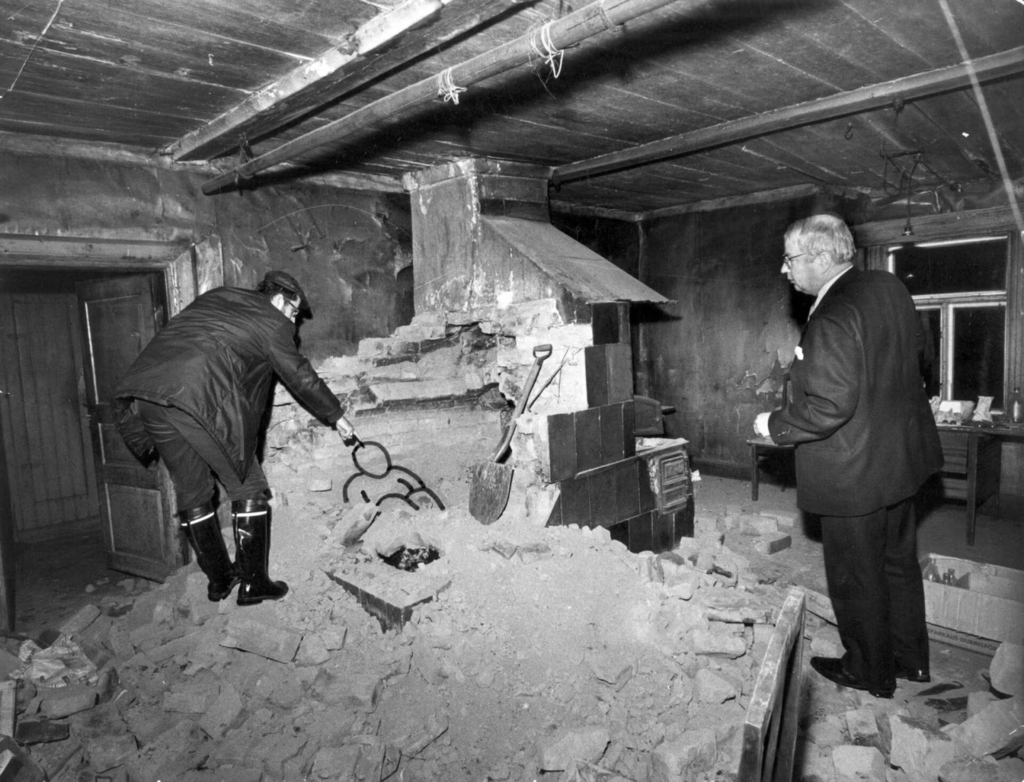
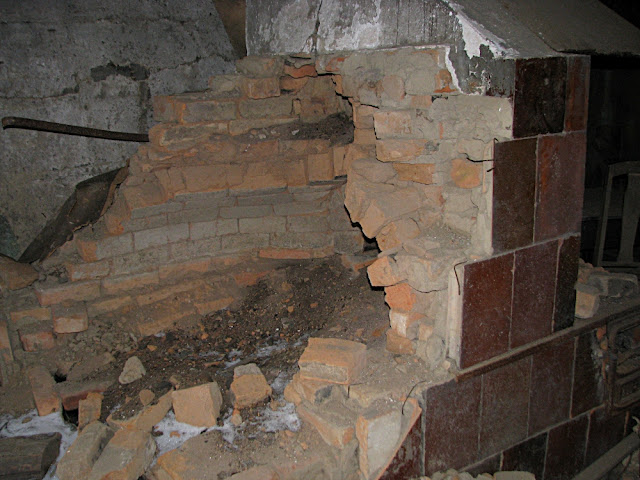
On November 27, 1972, the date that would have been Hilkka’s name day, commissar Gunnar Kivelä and his assistant arrived at the Saarinen house in Krootila with a search warrant. Pentti was taken to the police station before the search began. Constable Pentti Punkari, guided by deputy chief Armas Kuusisto and assisted by a mason, began removing the outer bricks of the stone oven.
One metre into the packed sand, Punkari’s hands found a rubber boot. He pulled it free. A foot came with it. He said, ‘Here are toes.’
They kept digging. A mummified head appeared first, then the rest of the body. Hilkka Saarinen was lying crosswise inside the base of the oven. She was wearing a long black coat, boots, and woolen gloves, dressed as if she had been heading outside. The dry, sealed interior of the unused oven had preserved her remarkably well. The body was transported to Pori, the regional capital. The following day, Seppo came and identified his mother’s remains. She had been inside that oven since December 23, 1960. She had been there on Christmas morning when Seppo arrived and surprised his father coming out of the kitchen. She had been there through all of Seppo’s searches, through the police visits, through every winter Pentti had spent in that house.
Justice Was Overturned
Pentti denied everything. He did not request a defense attorney. The court assigned him one anyway, on the grounds that he appeared unable to pursue his own interests. During the hearing, he claimed that Romani people had broken into the house shortly before Christmas 1960 and killed Hilkka. The theory was rejected immediately. Witnesses lined up to testify about the injuries Hilkka had repeatedly sought treatment for, about the bruises they had seen, about the threats Pentti had made. The 75 crime novels borrowed that year were noted but ultimately not used as evidence.
The Kokemäki local court found that Pentti had killed Hilkka, but could not establish that it was intentional. Without proof of how she had died, they convicted him of aggravated assault and sentenced him to eight years in prison.
Pentti served one year. The Turku District Court and the Supreme Court of Finland overturned the conviction. Their ruling was precise: the cause of Hilkka’s death could not be determined, and a person could not be sentenced for negligent homicide when twelve years had passed. The man who had hidden his wife’s body in a stone oven walked free.
Pentti Saarinen went back to the house in Krootila. He lived there alone, in a property that had deteriorated around him, until he died on August 1, 1986, at the age of 66. Finns gave him a nickname: vapaa muurari, meaning ‘the free mason.’
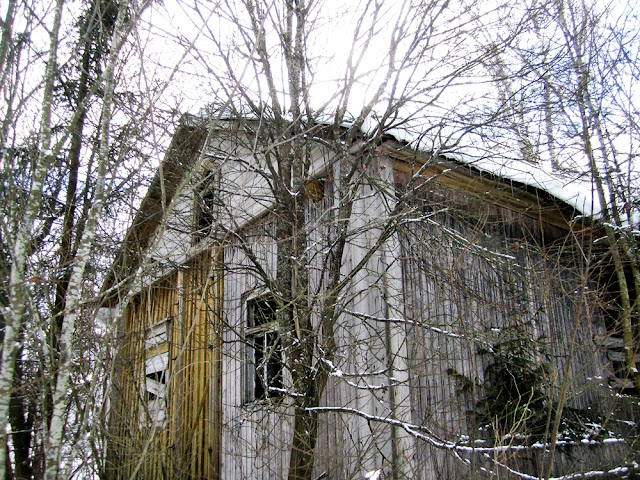
The house was demolished in March 2015. The case of Hilkka Hillevi Saarinen remains officially unsolved. The killer has never been formally identified. When people who entered the property after Pentti’s death walked through the house, the dismantled brickwork of the stone oven was still on the floor, exactly where commissar Kivelä’s team had left it twenty-six years before. Pentti had never put it back together.
Hilkka Saarinen was 33 years old. She was born in that house, raised in it, and inherited it. She made it a home for five children. She had not left it on the night of December 23, 1960. She had never left it at all.
