
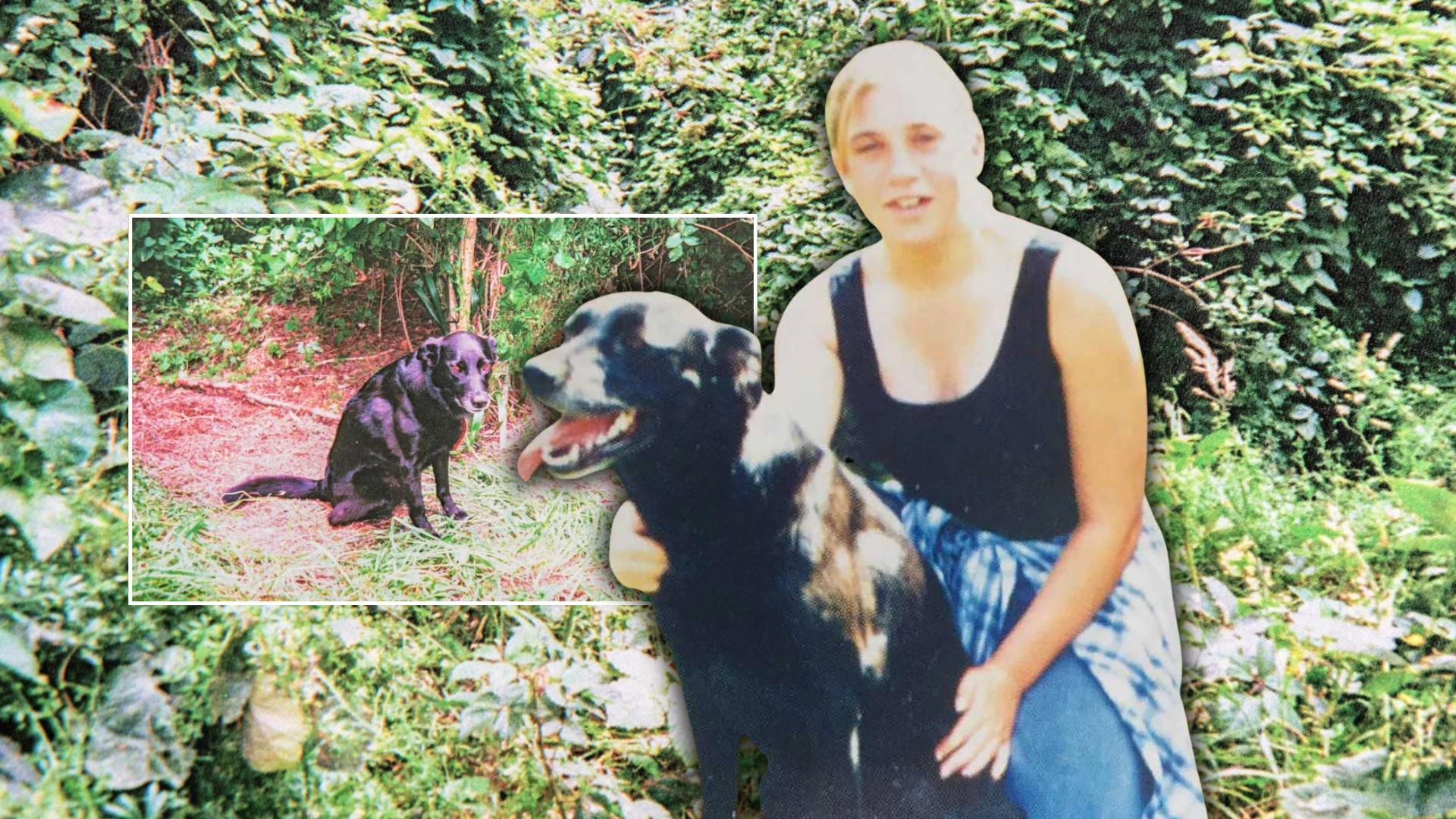
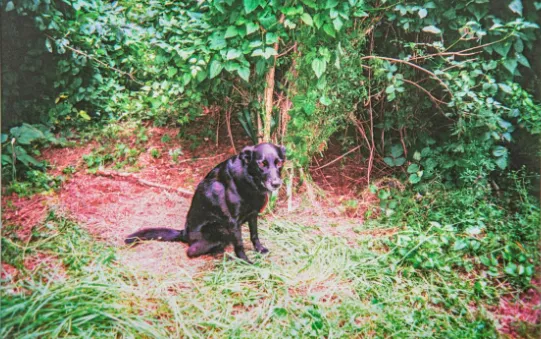
On New Year’s Day 1999, veteran search and rescue volunteer Dave Saunders noticed a trail of flattened, damp grass leading off the Ashburton River walking track. He followed it to a small clearing in the brush. A black labrador cross was tied to a tree by her leash. She hadn’t made a sound during the search. She didn’t bark or jump as Saunders approached. He stood still and said the name Kirsty out loud. Her ears pricked.
Fifteen-year-old Kirsty Bentley had walked out of her house with that dog the previous afternoon and had not come back.
A Girl from Ashburton
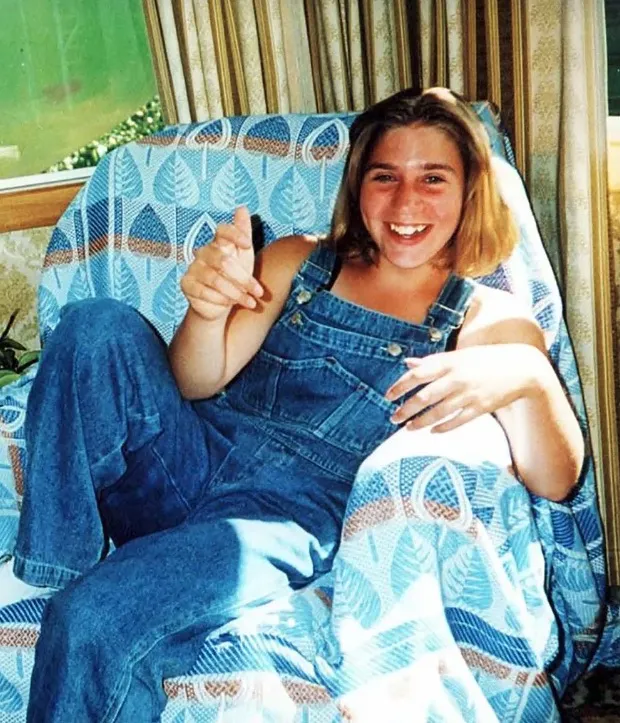
Kirsty Marianne Bentley was born on January 18, 1983, at Christchurch Women’s Hospital, the second child of Jill and Sidney Bentley. The family lived in a red brick bungalow at 165 South Street in Ashburton, a regional town in the Canterbury plains of New Zealand’s South Island. Kirsty had one older brother, John, born in 1979.
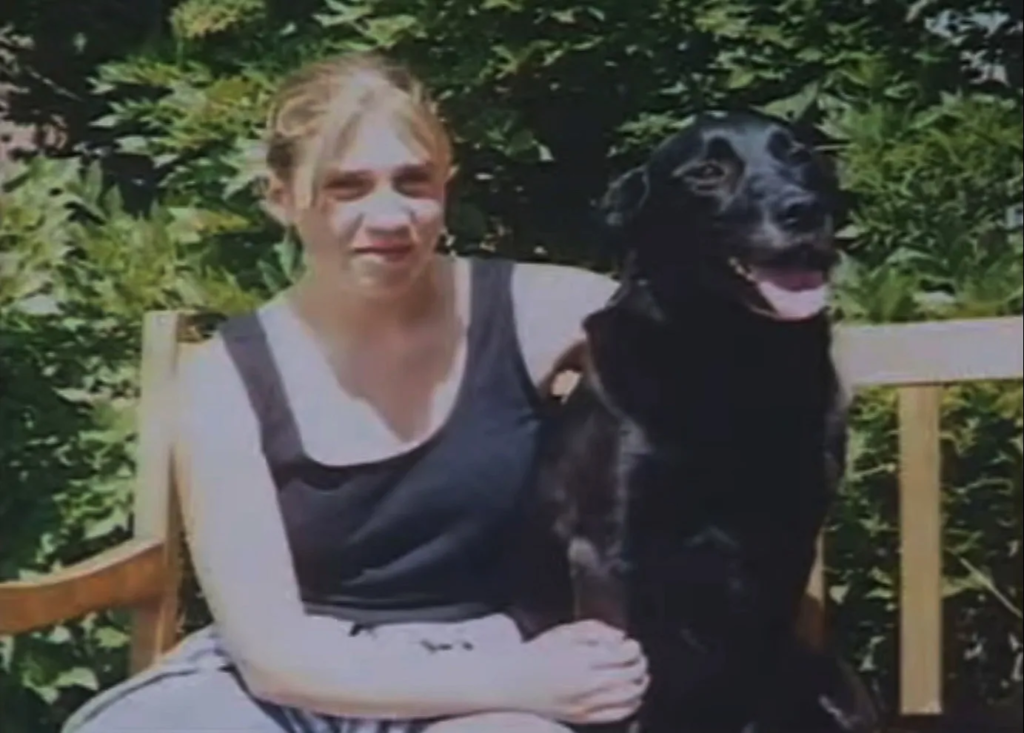
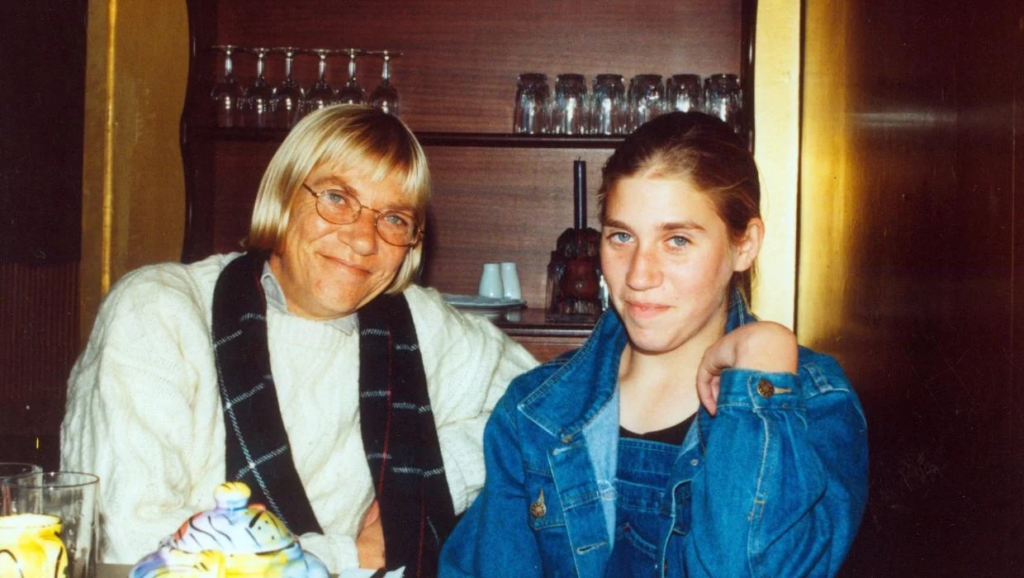
At Ashburton College, she was well-liked, surrounded by a close group of friends she had known for years. She sang in the school choir, performed in drama productions, and wrote poetry. Her mother Jill described her as vibrant, honest, and compassionate. She was confident and direct with people she loved, and quietly reserved with strangers. She adored the family dog, a black labrador cross named Abby, and walked her along the Ashburton River most afternoons.
In early January 1999, she was two and a half weeks away from her 16th birthday. She was planning a pool party to celebrate. Her boyfriend Graham had been invited for dinner. Her exams were behind her. She had everything ahead of her.
The Last Day
December 31, 1998, was a Thursday, and Ashburton was hot. The temperature peaked at 34 degrees Celsius. Canterbury locals and their dogs were out along the river and in the green shade of its banks. Holiday traffic kept a steady hum along nearby State Highway 1.
Kirsty had spent the morning at the Ashburton library with her best friend Leanne Jellyman. The two went shopping after that, stopped for lunch at McDonald’s, and briefly spoke to an unidentified girl at a dairy on their route home. Leanne’s sister drove Kirsty back to the house on South Street at around 2:30 p.m. John was home, listening to music in his bedroom. He told Kirsty that Graham had called and left a message. She called the number at approximately 2:38 p.m., got no answer, and left a voicemail. Then she put Abby on her leash and left.
An 11-year-old named Sarah Ward was riding her bike on Chalmers Avenue when she passed Kirsty and waved to her. She knew Kirsty well. The girl with mousey blonde hair was walking her dog in the direction of the river. It was the last known sighting of Kirsty Bentley alive.
Graham called the house again at 4:30 p.m. No one answered. It was only then that John realized his sister had been gone for well over an hour. When Jill arrived home from work at around 5:15 p.m., John immediately asked whether she knew where Kirsty was. She didn’t. Jill called Graham herself. He hadn’t heard from her either. She walked Kirsty’s usual route along the river and found nothing. Later, she would say she had experienced an unexplained sense of foreboding in the months before that afternoon, a dread she could never account for. She turned back from the river and returned to the house. The two agreed to wait until 6:00 p.m. before searching again. At six o’clock, John went out. Minutes later, Sid arrived home from work and immediately called police.
The search grew through the evening. Police, family members, and friends spread out across the riverbank as the temperature dropped, aware that Kirsty had left in light summer clothing. They found nothing. The new year arrived. Kirsty did not come home.
Abby Was Found Alone
An official search and rescue operation launched at 8:00 a.m. on January 1. Dave Saunders had joined the search party fanning out along the river track when he spotted the trail of flattened grass leading off toward the brush. He followed it to the clearing where Abby was tied. As he approached, the dog stayed silent. She had been unleashed from her collar and retied to the tree with her own leash. Whoever had done it knew how to handle the animal. Saunders stood there thinking that someone who knew the dog had done this. Abby was dehydrated and visibly distressed. The search party located her at approximately 10:00 a.m.
About 30 meters away, searchers found a pair of Kirsty’s underwear and boxer shorts lying on top of blackberry bushes roughly two meters off the ground. The area where Abby was found had been covered during the previous night’s search. She may have been missed in the thick brush.
The search continued for 16 days, expanding outward from the river to cover large parts of Canterbury. New Zealand Army troops from Burnham Military Camp joined the effort. Police appealed to the public for information about a green or blue 1961 Commer van, registration EP9888, that had been seen in the Camp Gully area around the time Kirsty disappeared. A mechanic in the area gave a detailed description of the van, including its distinctive Commer branding badge attached to the front. It had been set up as a camper. Despite hundreds of tips, the vehicle was never located. These vans were commonly used by drifters and tourists, and many had never been officially registered. The unidentified girl who had spoken with Kirsty and Leanne on Chalmers Avenue was also never found and never came forward.
A Body in the Gorge
On January 17, 1999, the day before what would have been Kirsty’s 16th birthday, two men named John Watts and Brendan Wanhalla were looking for a cannabis patch in the Camp Gully area of the Rakaia Gorge, approximately 40 kilometers from Ashburton. Looking down a steep embankment thick with immature pine trees and dense scrub, they spotted a badly decomposed body covered in a thin layer of branches and leaves. It was lying at the bottom of the embankment in the fetal position. The body was fully clothed in what Kirsty had last been seen wearing. Her underwear was absent.
Watts and Wanhalla were initially reluctant to come forward, given what they had been doing in the area. They had seen Kirsty’s mother Jill on the evening news appealing for information. They called police.
The body was transported to Christchurch Hospital. Jill later described hearing the words confirmed as the smashing finality of it. Three days after the discovery, dental records and clothing formally identified the body as Kirsty Bentley. Pathologists determined she had died from blunt force trauma to the right rear side of her skull, which caused a severe fracture. She had most likely died on the evening of December 31, 1998, and been transported to Camp Gully the same night. That conclusion was drawn from the contents of her stomach and the state of decomposition at the time of discovery. Whether she was sexually assaulted before her death has never been confirmed publicly. The removal of her underwear led police to treat the crime as sexually motivated.
Police cordoned off the Camp Gully site and introduced a no-fly zone over the gorge during the investigation. Investigators took plaster casts of tire tracks found near the scene. Kirsty’s funeral was held at St. Stephen’s Anglican Church in Ashburton. Around 600 mourners attended. Her ashes were placed in a memorial garden at the family home on South Street.
The Family Suspected
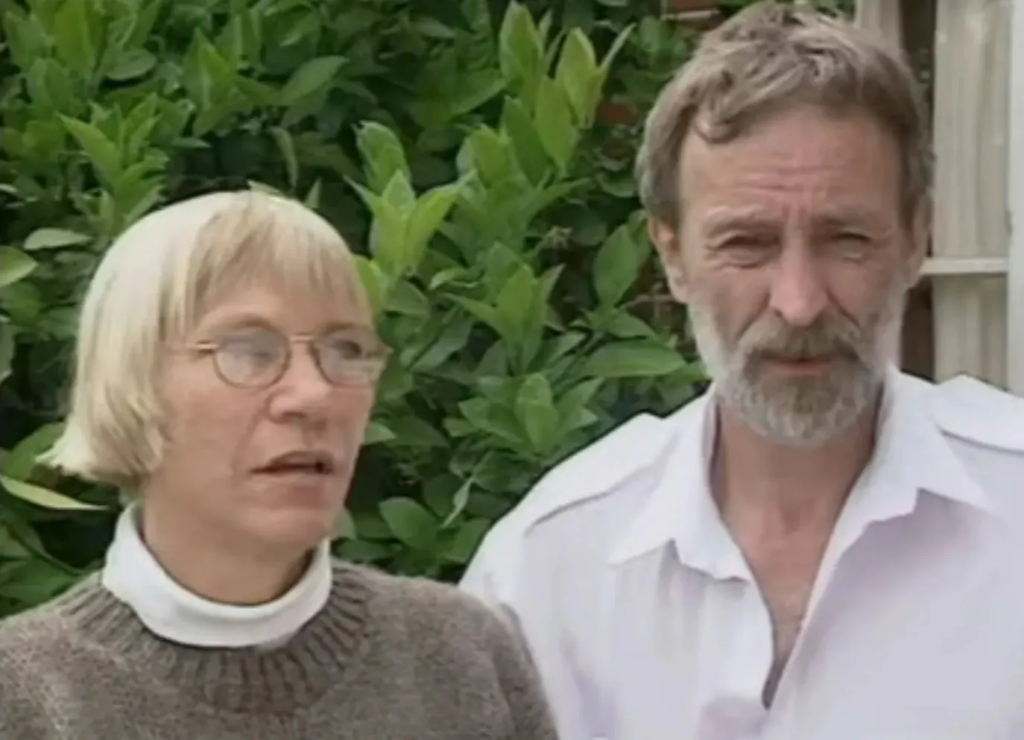
From the early stages of the investigation, police focused heavily on Kirsty’s father Sid, then 47, and her brother John, then 19. Both were questioned extensively over an extended period. Luminol testing was carried out at the family home and found nothing of value. No blood was found in Sid’s vehicle. John told media it was only common sense for police to look at the family.
Sid’s alibi was the problem. He initially told police he had spent the day in Christchurch and Lyttelton. About 18 months after the murder, he changed his account, saying he had hit his head on a cupboard door and had only then remembered he had also been in Ashburton for part of the afternoon. The revision could not be verified. A witness later placed Sid in Lyttelton on the afternoon of December 31, which would have made it logistically difficult for him to have been involved. Sid maintained his innocence until his death from esophageal cancer in June 2015, aged 64. He never stopped insisting he had nothing to do with his daughter’s murder. In his will, he left his house to the Ashburton New Life Church and the Cancer Society. He left nothing to his son John.
There was one detail investigators never fully resolved. When detectives arrived to deliver the news about the body, they had not yet disclosed the location where she had been found. Before they said anything about Camp Gully, Sid asked whether she had been found by accident or whether someone had seen something.
John, who now lives in the United Kingdom, spoke publicly in 2022 about the pressure the years of suspicion had placed on his family. He said there was a period where he had begun to doubt his father himself. He said he was ashamed of that now. Sid had died believing that people still thought he was a liar, and that was wrong. In 2016, police formally ruled both Sid and John out as suspects in Kirsty’s murder.
The Case Remains Open
In March 2017, police investigated whether Russell John Tully, who had killed two staff members at an Ashburton Work and Income office in September 2014, had any connection to Kirsty’s murder. Tully had been known to camp in the Ashburton area. He denied involvement. By May 2018, police cleared him. He had been living in Nelson at the time Kirsty disappeared, and his alibi was confirmed. Police noted that he had not been interviewed in the original investigation because he had not been living locally.
An unidentified woman also came forward after Sid’s death to report that her ex-boyfriend, who had been questioned in the original investigation, had spoken about being involved in Kirsty’s murder on multiple occasions while intoxicated. How far that lead was pursued has never been made public.
In 2018, police submitted the dog leash and Kirsty’s underwear to the Institute of Environmental Science and Research in Auckland for advanced DNA testing. New Zealand’s National DNA Profile Databank, established in a 1995 joint project with police, compares profiles from evidence against those of convicted offenders. The results of the testing applied to Operation Kirsty have never been disclosed. The cold case file by that point amounted to more than 70 archive boxes containing 400 folders of documents and evidence.
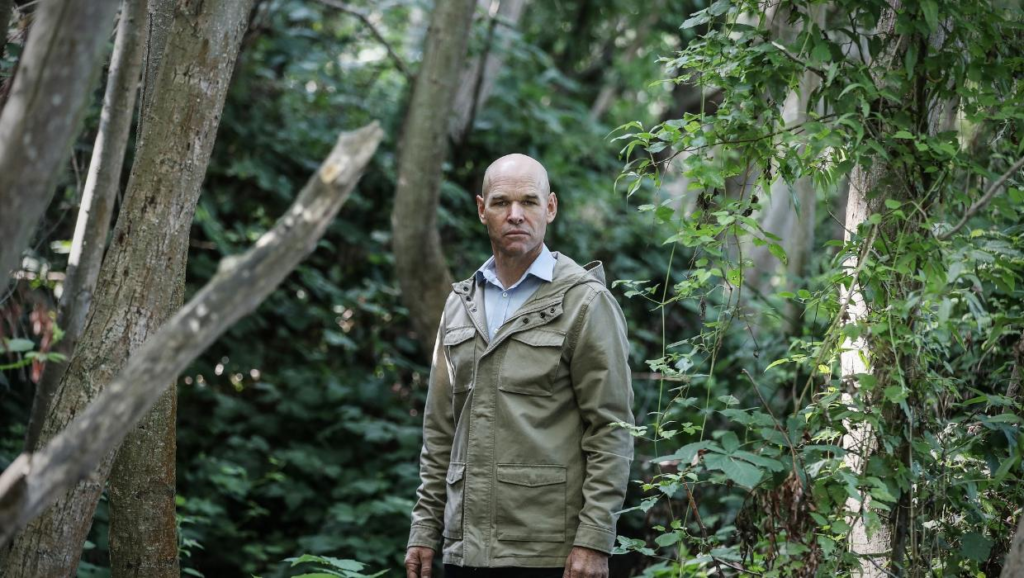
In July 2022, Detective Inspector Greg Murton of Canterbury CIB, who had been reviewing the case since 2014, announced a $100,000 reward for any information or evidence leading to a prosecution. Immunity from prosecution was offered to accomplices willing to come forward, but not to the primary offender. More than 80 tips followed. By October 2022, Murton said 10 individuals were being prioritized for further investigation, people he described as having interesting links and connections to the case, some previously looked at and some not. He cautioned that nothing concrete had yet emerged.
Retired British Detective Inspector Chuck Burton, a criminal profiler brought in to review the Operation Kirsty file, concluded the perpetrator was likely someone with a close connection to Kirsty based on how her body was positioned at Camp Gully. Murton has reached a different conclusion. His theory: a local man, familiar with the Ashburton riverbank and the Rakaia Gorge, who used or grew cannabis, and who may have already been spoken to by police in the early stages of the investigation without being identified. He believes the scene at the river, where Abby was found tied and the underwear left on the bushes, was staged by the killer to deliberately mislead investigators and draw the search away from the gorge.
Murton told the NZ Herald that in cases like this, the offender will often have been spoken to by police early on, with nothing at the time to prove or disprove their involvement. He said there was a chance that had already happened in the Bentley case. Nobody has ever been charged.
Kirsty’s mother Jill, who remarried and now lives in Invercargill, told the Herald she did not allow herself to return to the darkest years of grief. She said that if Kirsty’s name came up, she smiled. She said she had been through very black years and did not wish to go back. She said she thought of the happy memories. She had waved a happy goodbye to her daughter one afternoon in December 1998. And then Kirsty was gone.
Kirsty Bentley would have turned 43 in January 2026.
