
On November 2, 2021, a Tuesday, finished her afternoon classes at Fairfield High School and drove to Chautauqua City Park for her daily walk. It was a routine she kept without fail. By early evening she had not returned home. By the following morning her family had reported her missing.
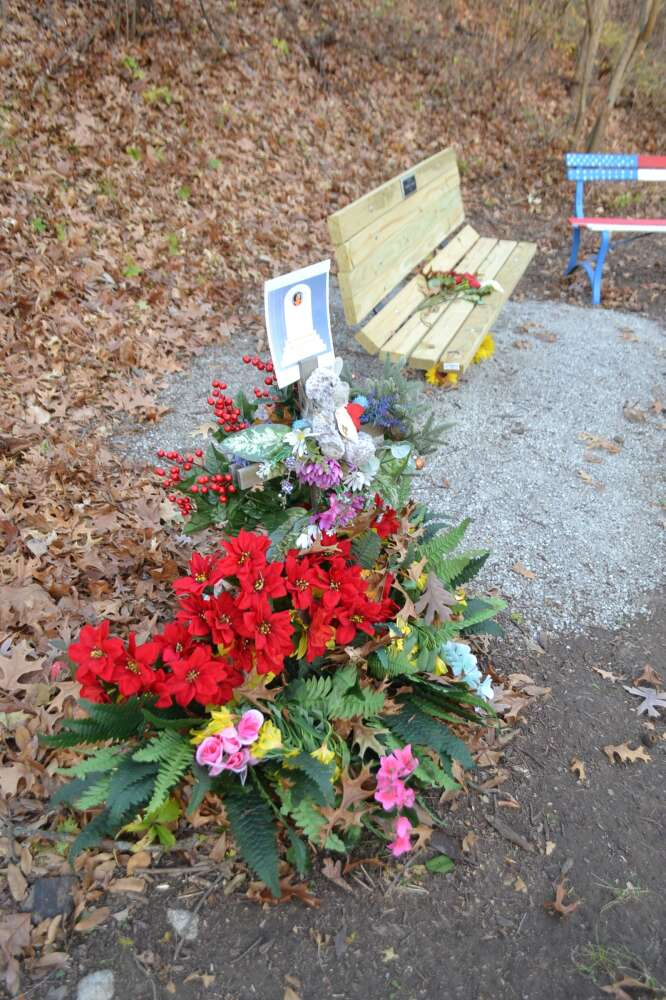
Police launched a search of the park that same day. They did not have to search long. That afternoon, in an isolated area of the grounds, they found her body concealed beneath a tarp, a wheelbarrow, and railroad ties. She had suffered obvious inflicted trauma to the head. She was 66 years old.
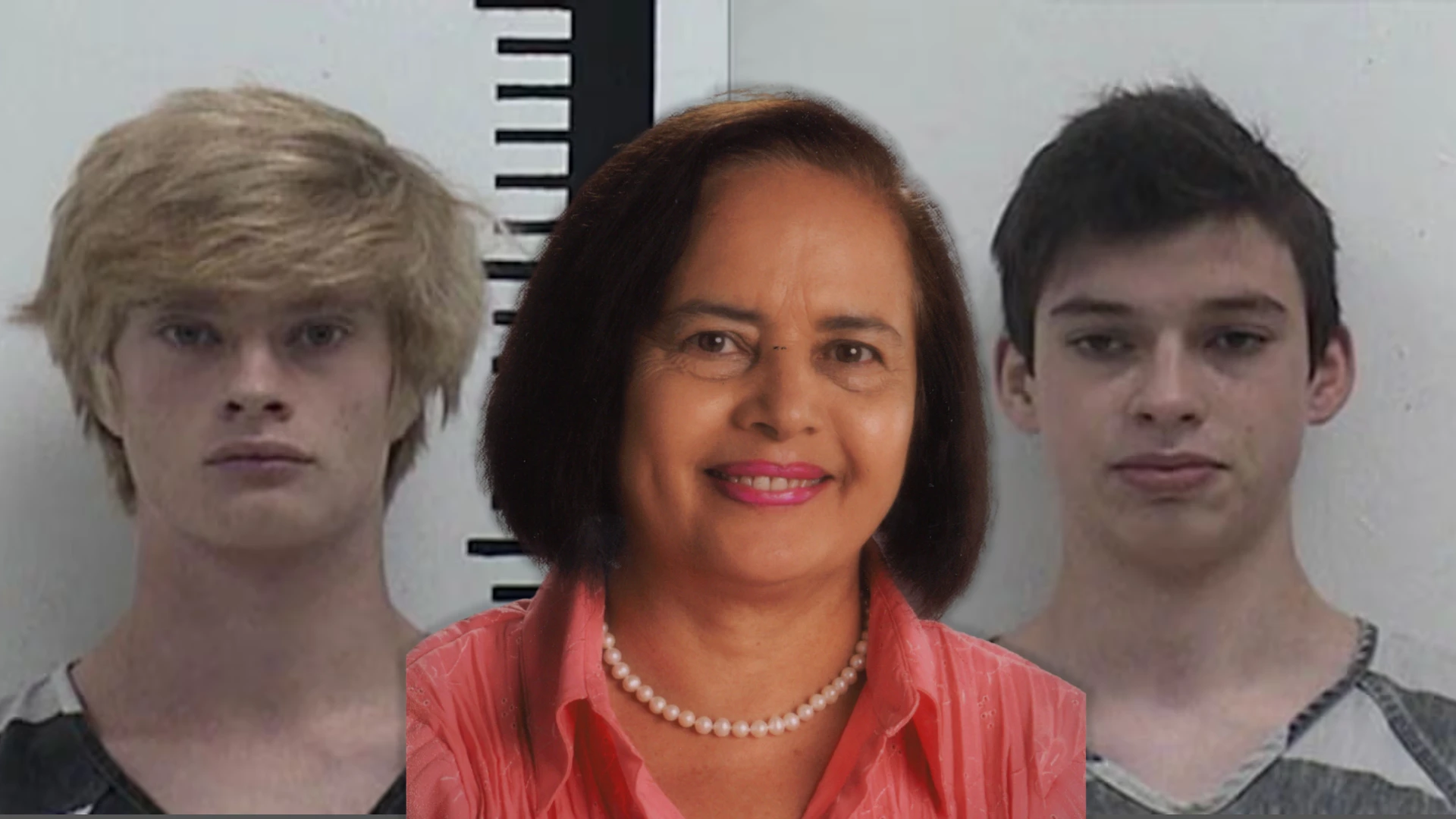
Within 48 hours, investigators had two suspects: her own students, both 16 years old — Willard Chaiden Miller and Jeremy Goodale.
A Remarkable Life
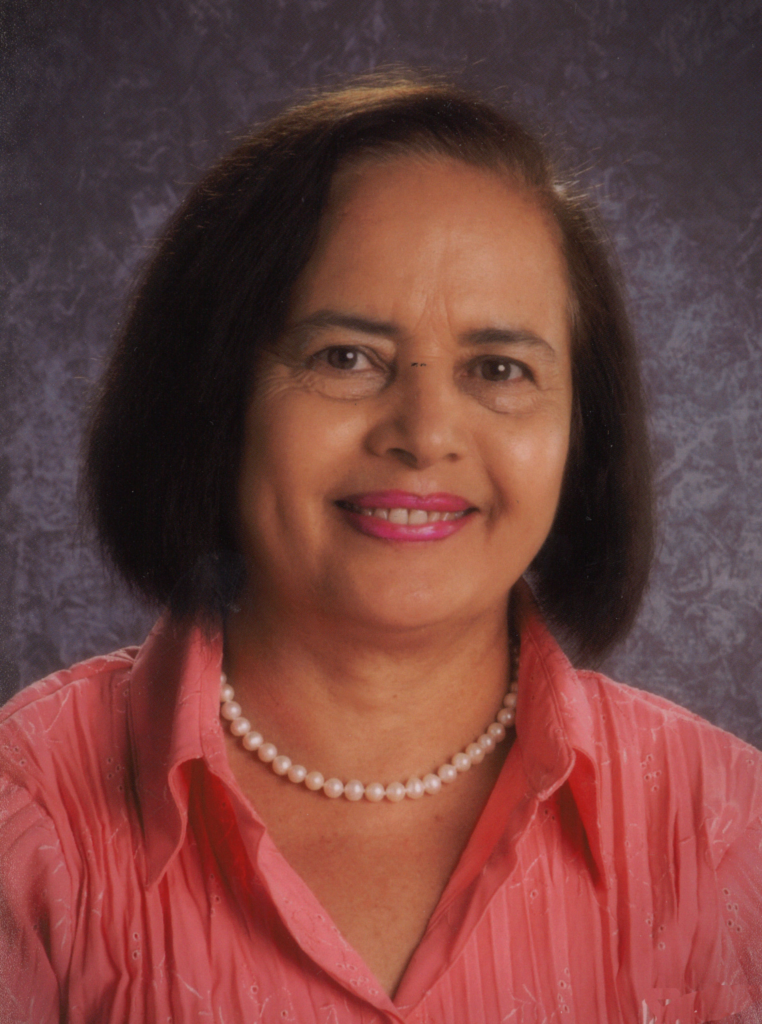
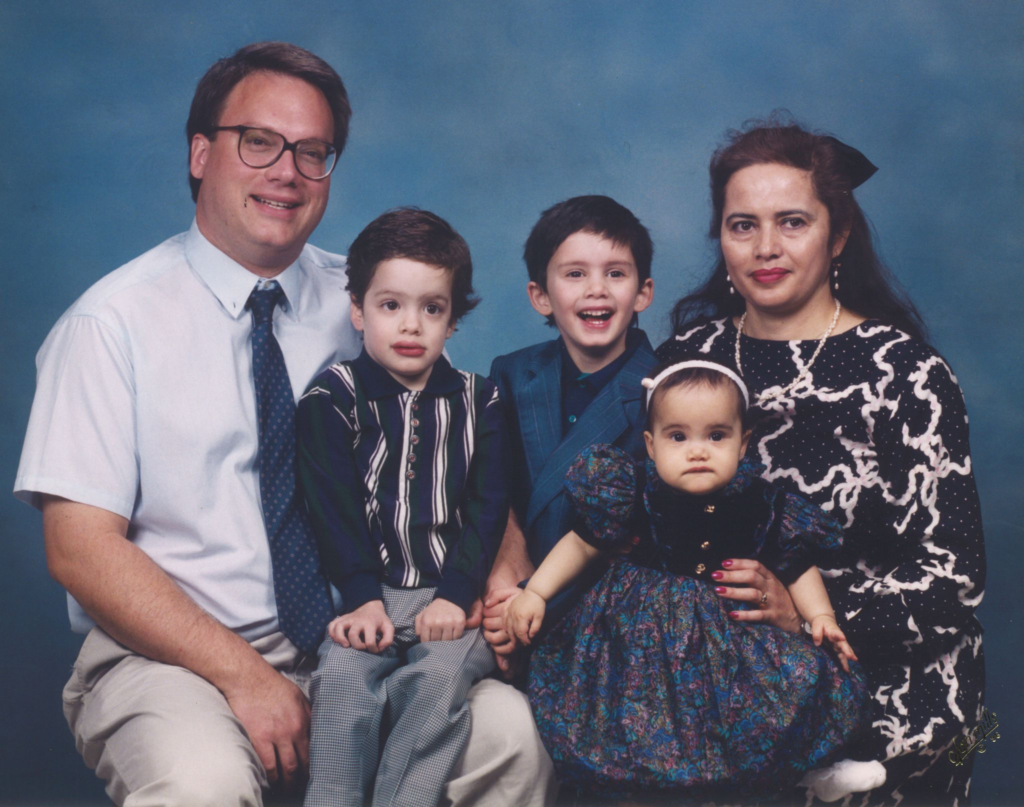
Nohema Graber was born Nohema Castillo in Ixtapa, Mexico. She worked as a flight attendant after high school before putting herself through aviation school, becoming one of the first women to earn a commercial airline pilot’s license in Mexico. At the height of her career, she married Paul Graber and eventually relocated to his hometown of Fairfield, Iowa. Their two sons were born in the early 1990s. A daughter arrived shortly after the family settled in Iowa.
When her children were older, Nohema enrolled at Iowa Wesleyan University and earned a degree in English, intending to teach the subject. She was hired as a Spanish teacher instead — the demand at area schools was higher — starting at Ottumwa High School. She left Ottumwa in 2012 to join the faculty at Fairfield High School, where she taught for nine consecutive years.
By every account from students and colleagues, she was devoted to her classroom. Students sent her cards and handwritten letters. One read: ‘Happy Teacher Appreciation Week, Mrs. Graber. Thank you for all that you do in and out of the classroom. We really appreciate how much fun we have in your class and how much Spanish we learn.’ Another described her simply: ‘She’s a classy lady. She was a dedicated lady. She cared deeply about the kids as people.’
The Last Afternoon
On November 2, Nohema left her classroom after the school day and drove to Chautauqua City Park. She went there most afternoons. Witnesses placed her arriving at the park in her van.
Less than an hour later, those same witnesses saw her van leaving the park — with two males in the front seats. The van was found abandoned at the end of a rural road. A separate witness later picked up two teenage boys walking along that road toward town. At approximately midnight, another witness reported seeing one of the boys pushing a wheelbarrow through the darkened park.
Investigators believe Willard Miller and Jeremy Goodale followed Nohema into the park, ambushed her in a secluded stretch of woods, and beat her to death with a baseball bat.
They then drove her van out of the park to distance it from the body and returned in the early hours of November 3 to conceal what was left of her beneath the tarp, the wheelbarrow, and the railroad ties.
The Snapchat Messages
The case broke open not through forensics but through the boys themselves. One of Nohema’s own students contacted investigators with a tip: two of his classmates, Willard Chaiden Miller and Jeremy Goodale, had been exchanging Snapchat messages in which they discussed stalking Nohema, killing her, disposing of her van, and the exact location where they had hidden her body.
The content of those messages has not been publicly released in full, but investigators described them as thoroughly incriminating — a near-complete account of the murder, written by the perpetrators themselves.
Using the Snapchat exchanges as probable cause, police obtained search warrants for both boys’ homes. At each address they collected red-stained clothing, hair strands, bath towels, and baseball bats. Physical evidence aligned precisely with what had been recovered at the crime scene.

Miller’s Changing Story
When investigators brought in Willard Miller for questioning, he initially denied any knowledge of Nohema’s murder. He then changed his account. He acknowledged that he had been at Chautauqua City Park on the afternoon of November 2. He acknowledged that he had provided the wheelbarrow used to conceal her body. What he denied was participating in the killing itself.
Miller told investigators he had been present when a roving group of masked teenagers attacked Nohema and that the masked group had forced him to assist in disposing of the body after the fact. Investigators did not find the account credible. The Snapchat messages showed detailed, advance knowledge of the stalking and the killing. The concealment — a midnight return with a wheelbarrow, railroad ties, and a tarp — suggested careful planning rather than a panicked response to a stranger’s crime.
The motive investigators reconstructed was straightforward. Miller told detectives he was frustrated with the way Nohema taught Spanish and furious that the low grade she had given him was dragging down his overall GPA.
On the afternoon of the murder, before driving to the park, Miller went to Fairfield High School and confronted Nohema directly about his grades. Multiple witnesses overheard the two arguing in the school before Miller stormed out at around 4 p.m. Nohema drove to Chautauqua City Park not long afterward.
Classmates offered conflicting portraits of Miller. Several described him as an unremarkable teenager with no history of bullying or aggression — not the type. Others, however, remembered something different. One classmate recalled: ‘Having known Willard, having him in my math class, he did speak — not in a murderous way — but in a very aggressive way about his dislike toward Mrs. Graber.’
Charged as Adults
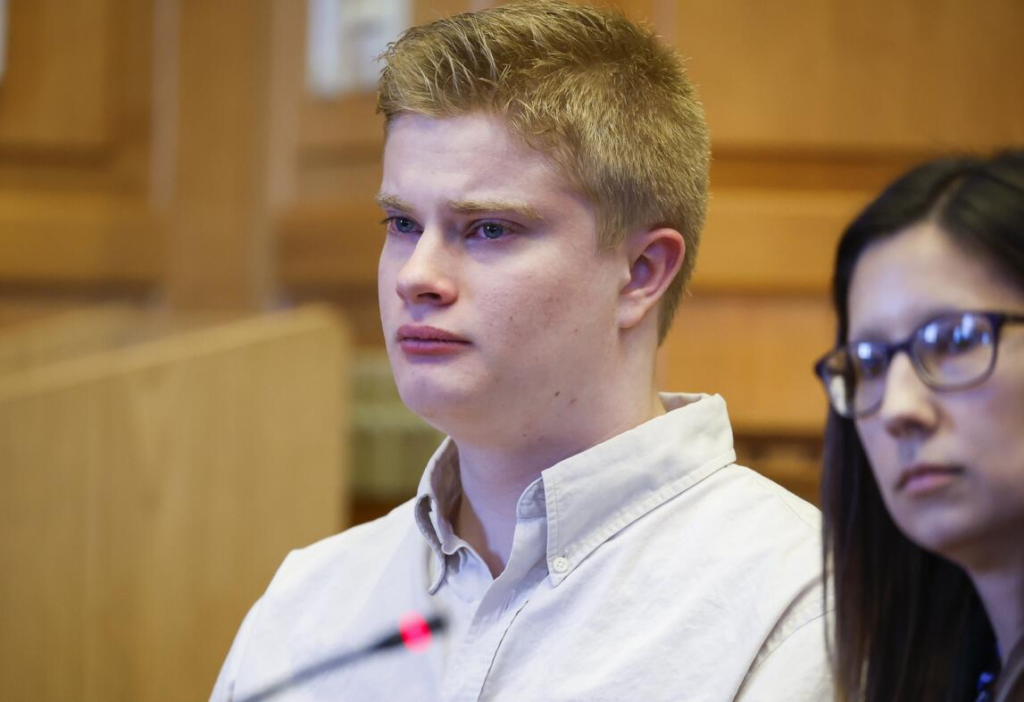
Both Miller and Goodale were arrested and charged with first-degree murder and conspiracy to commit murder. Both pleaded not guilty. Their defense attorneys immediately moved to have the cases transferred to juvenile court, where a conviction would have carried a maximum sentence of fewer than two years of confinement.
The judge rejected both transfer requests. Each boy was charged as an adult and held on a bond of 1 million dollars.
At the bond hearings, Miller and Goodale were brought into the courthouse separately, shackled at the hands and feet, surrounded by sheriff’s deputies. Defense lawyers argued that both boys had no prior criminal record and no history of flight risk.
Prosecutors pushed back, calling the murder planned and brutal. They argued that the bond should be doubled — to 2 million dollars each. The judge set it at 1 million.
Georgia Haggard, a student who had been in the same Spanish class as Miller, told reporters what the news had done to Fairfield: ‘It just didn’t feel the same at school, and even at home. I just wouldn’t feel safe. Fairfield didn’t feel the same either.’
The Fight Over Evidence
Miller’s defense team mounted an aggressive pretrial effort to suppress key evidence. They sought to exclude the Snapchat messages, the red-stained clothing, and Miller’s own statements to investigators, arguing that the search warrants used to obtain the physical evidence had been acquired illegally and that law enforcement had questioned Miller without a lawyer or guardian present — a direct violation of his rights as a juvenile.
Miller’s mother testified in court that she had signed a consent form for the search without being told her son was a suspect. Under cross-examination she confirmed: she had not been informed there had even been a homicide.
Prosecutors countered that the Snapchat messages had provided independent probable cause sufficient to justify the warrants, and that witness testimony and physical evidence independently placed both Miller and Goodale at the park with Nohema on the afternoon of her death. The suppression motions remained unresolved as trial dates approached. Willard Miller’s trial was set for March 20, 2023. Jeremy Goodale’s was scheduled to begin in May 2023.
A Family’s Forgiveness
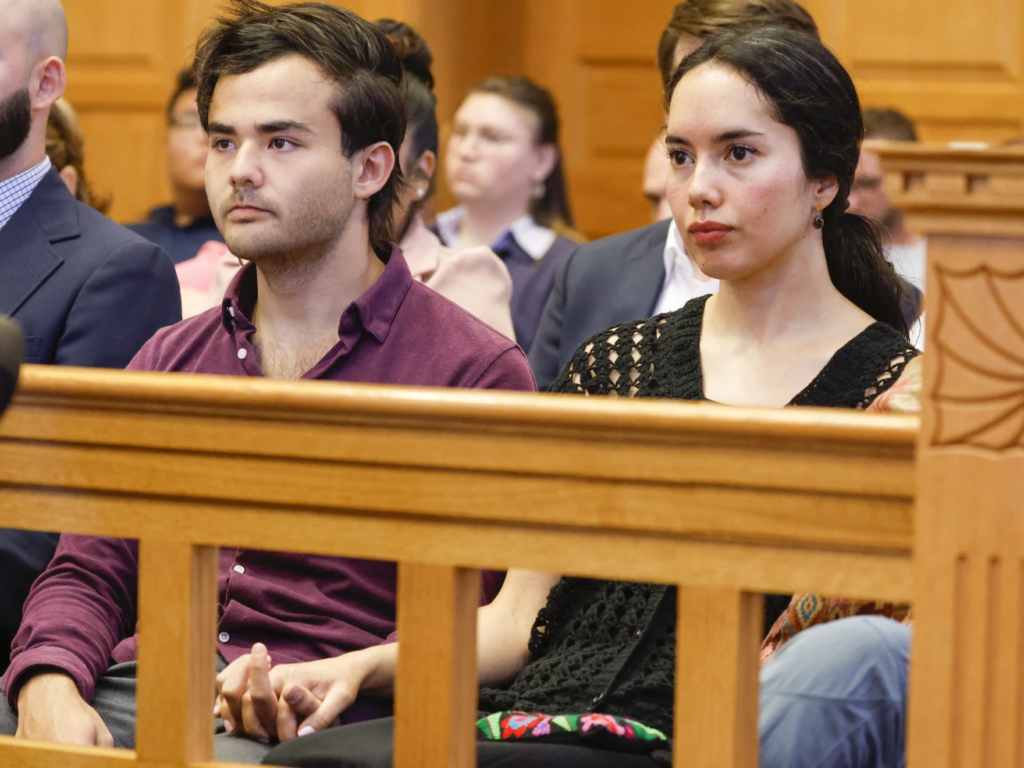
Nohema’s eldest son, Christian, posted a public statement on Facebook within days of the arrests. He wrote that his mother had passed away, that he understood it to have been a premeditated murder by two of her students, and that he forgave them.
‘I feel sorry that they had that anger in their hearts,’ he wrote. ‘There’s no point in being angry at them. We should hope that they can find peace in their lives. My mother was an angel of a woman and was one of the kindest souls. She gave me the gift of the Spanish language and helped many of her students over the years.’
“It is clear that they need more love and light in their hearts. But I agree with my oldest brother Christian — all we can do is forgive.” — Marie Graber, Nohema’s daughter
Marie Graber, Nohema’s daughter, posted her own statement echoing her brother’s. She described a home filled with warmth. She wrote about her mother’s loud laugh and about dancing together to whatever music happened to be playing. She described Nohema’s deep sense of faith and the joy in her eyes.
Nohema Graber had been a flight attendant, a commercial pilot, a wife, and a mother. She had spent nine years inside a classroom down the street from the park where she took her daily walks. She was 66 years old. She was going for a walk.
