
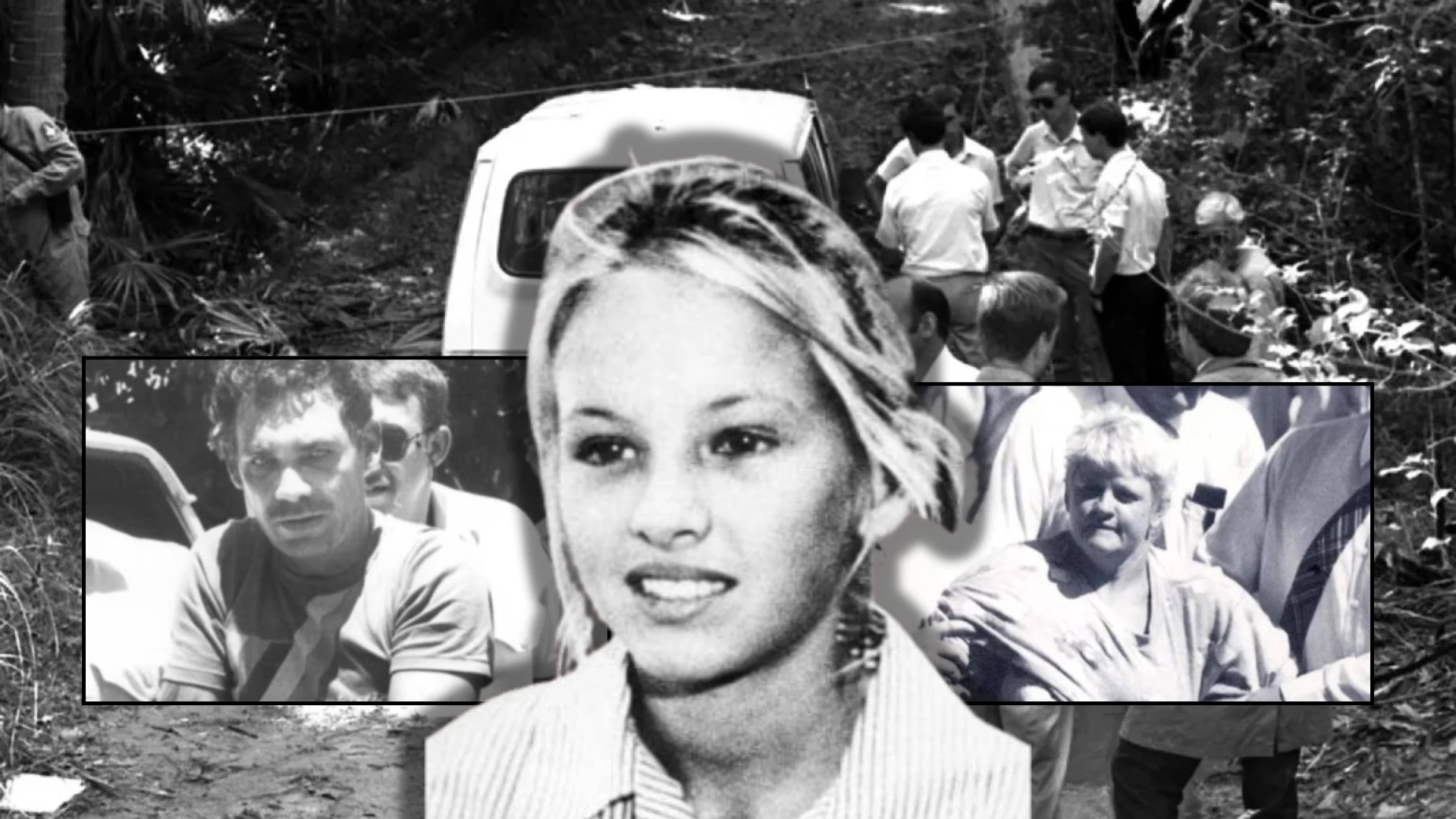
On the evening of November 27, 1987, Barry and Lynda Kingi walked the path their daughter should have taken home through Noosa Heads. She had been gone for hours. The sun had already set. They moved through Pinnaroo Park, the park directly behind Sian’s school, and found her bicycle lying on the side of a path.
It was bright yellow. They recognised it instantly. They went straight to the police station.
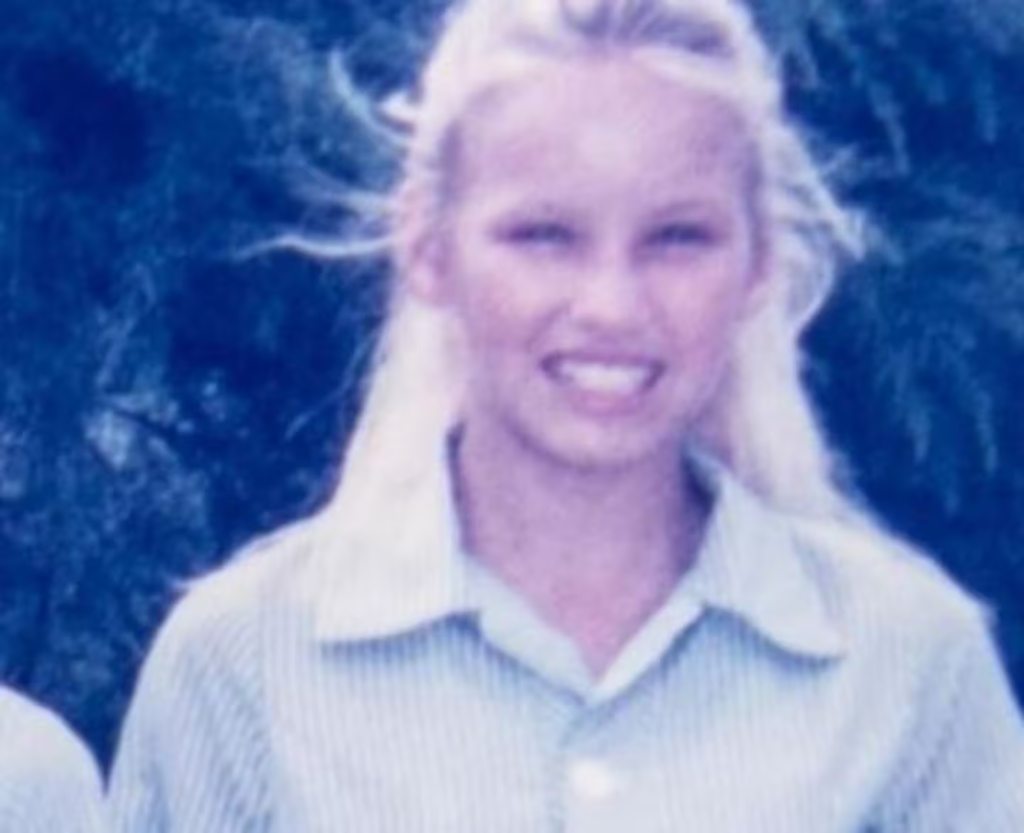
Sian Kingi was born on December 16, 1974. On the day she disappeared she was twelve years old, with seventeen days until her thirteenth birthday. A New Zealand-Australian girl of Māori descent, she had grown up in Noosa Heads, a quiet coastal town on Queensland’s Sunshine Coast where neighbors knew each other by name and children rode bicycles freely through the parks.
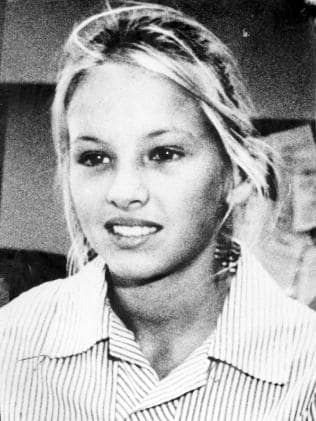
She attended Sunshine Beach State High School. She was tall for her age, with long blonde hair and dark eyes, and she was known in the community for two things in particular: her love of sport (netball, volleyball, cycling) and a smile, as those who knew her later recalled, that could light up a room.
That afternoon she had met her mother at Noosa Fair Shopping Centre after school to buy fabric for a party dress. A friend’s birthday was coming up. They finished around 4:30 PM. Sian had ridden her bicycle to school that day, and with the fabric in the car there was no room for the bike. She told her mother she would ride home the usual way and meet her there. They said goodbye and each went their separate way.
Lynda arrived home first. She assumed the bike was simply slower than the car. Then she began calling Sian’s friends. No one had seen her. When Barry came home from work, the two of them went out together and retraced the path she should have taken. That was when they found the bicycle in the park.
Police responded immediately. Detectives contacted newspaper editors that same night and arranged for Sian’s photograph to appear in the following morning’s edition. A team of six homicide detectives was assembled. Queensland newspapers, including The Courier-Mail and local Sunshine Coast publications, ran urgent appeals for public information the next day. Many of the officers working the case had daughters around Sian’s age. The case became personal. There was widespread, genuine hope that she would be found alive. It lasted six days.
Found in the Creek
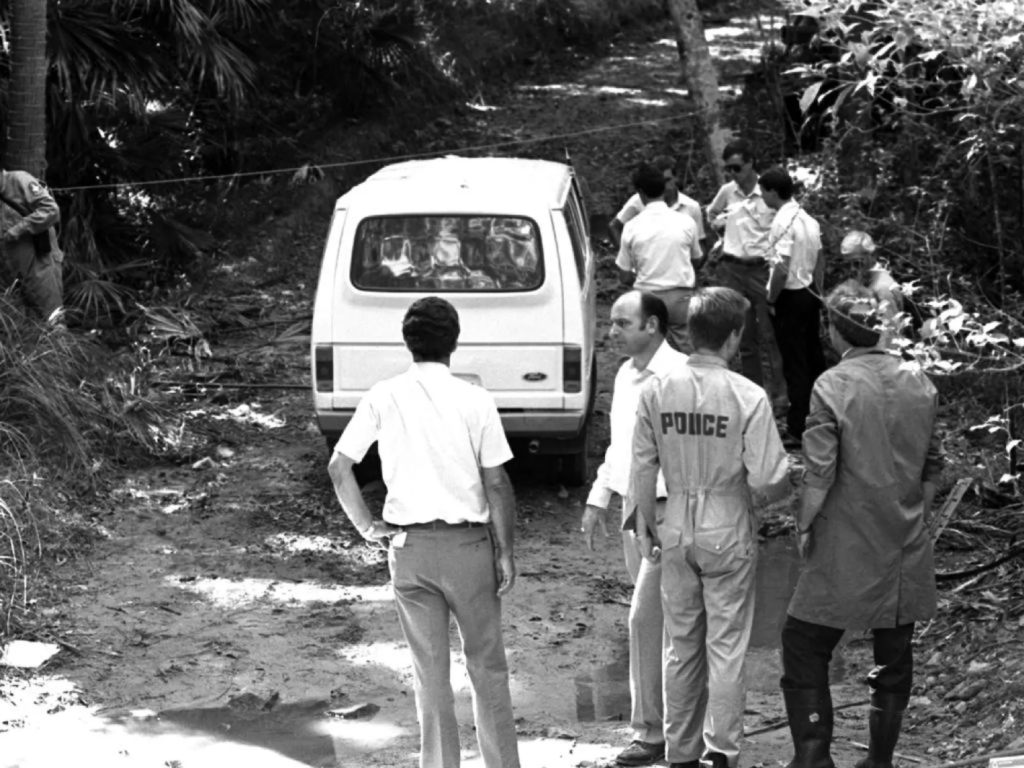
On December 3, 1987, a fruit picker working near Castaways Creek in the Tinbeerwah Mountain State Forest (now Tewantin National Park) noticed the smell of decomposing flesh. He investigated and discovered Sian’s remains in the dry creek bed, approximately fifteen kilometers from Pinnaroo Park. She was still wearing her school uniform.
She had been raped and stabbed twelve times. Three of the wounds were driven all the way through her heart. Her throat had been slashed and she had been strangled. The location had been chosen deliberately. Trees lining the forest road concealed the site from vehicles passing just 150 feet away. A petrol station stood roughly a thousand feet in the distance. No one had seen or heard anything.
Bob Dallow, the detective who led the homicide investigation, carried that scene with him for the rest of his life. Speaking to The Courier-Mail on the twenty-fifth anniversary of the discovery, he said: “When we found Sian she had her shoes on and her pink socks and I’ll remember that for as long as I live. I think about her every day. She’d be 37 now. She’d have a family of her own by now. Her family has been robbed of that.
The Suspects
Investigators had little physical evidence from the scene itself. What they had were witnesses. Multiple people reported seeing a white 1973 Holden Kingswood station wagon with interstate license plates near Pinnaroo Park in the hours surrounding Sian’s disappearance. One member of the public had noted the registration number because the driver’s behaviour made them uncomfortable. The plate came back as Victorian registration LLE-429, belonging to a woman named Valmae Beck.
Police had already been looking for that vehicle. Sixteen days before Sian’s murder, on November 11, 1987, a woman named Cheryl Mortimer was driving home from work in Ipswich when a female passenger in a parked car flagged her down. Cheryl pulled over assuming the woman needed directions.
A younger man appeared at her window and pressed a knife to her throat. She struggled hard enough that the man cut his own hand and abandoned the attack. Physically unharmed, Cheryl gave investigators a vehicle description and the DNA evidence the attacker had left behind on her car. That vehicle matched. The same station wagon had also been linked to at least three other assault incidents in the weeks surrounding Sian’s disappearance.
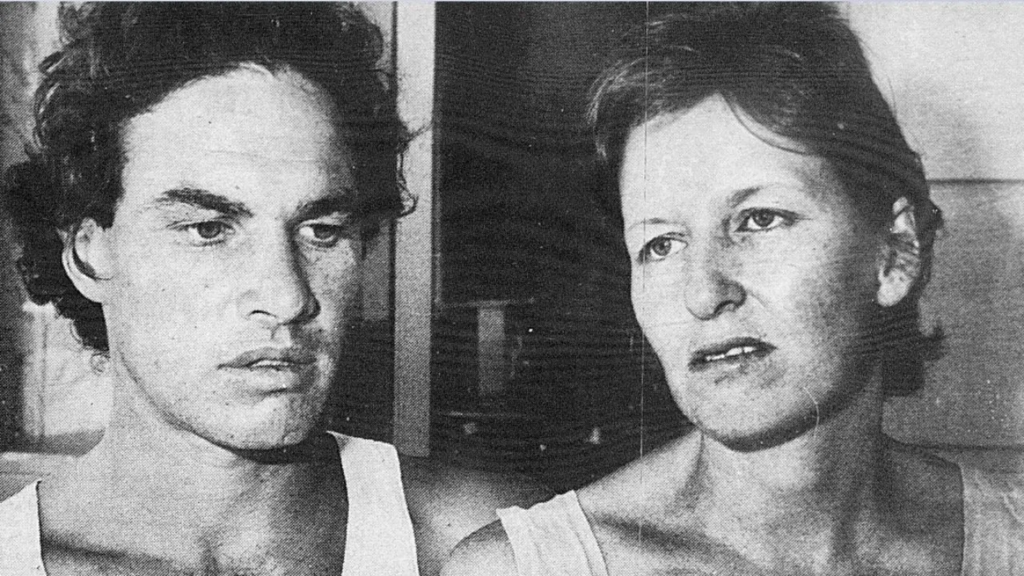
It also emerged that both Beck and her husband Barrie Watts were wanted in Western Australia over a breach of parole from the 1980s. When Noosa investigators contacted Western Australian police, photographs of both suspects were express-posted to the Noosa CIB.
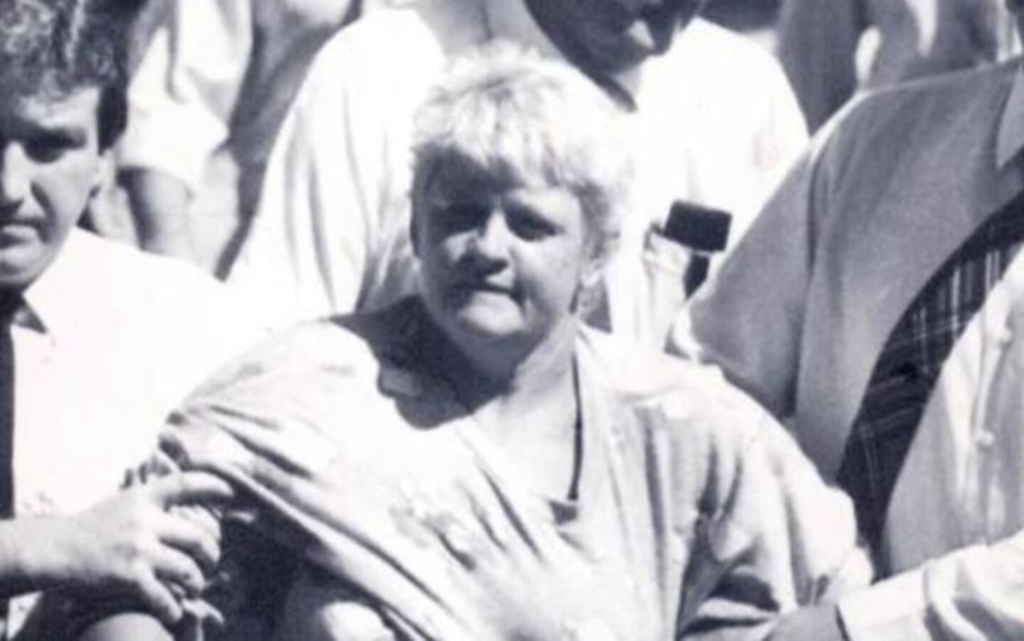
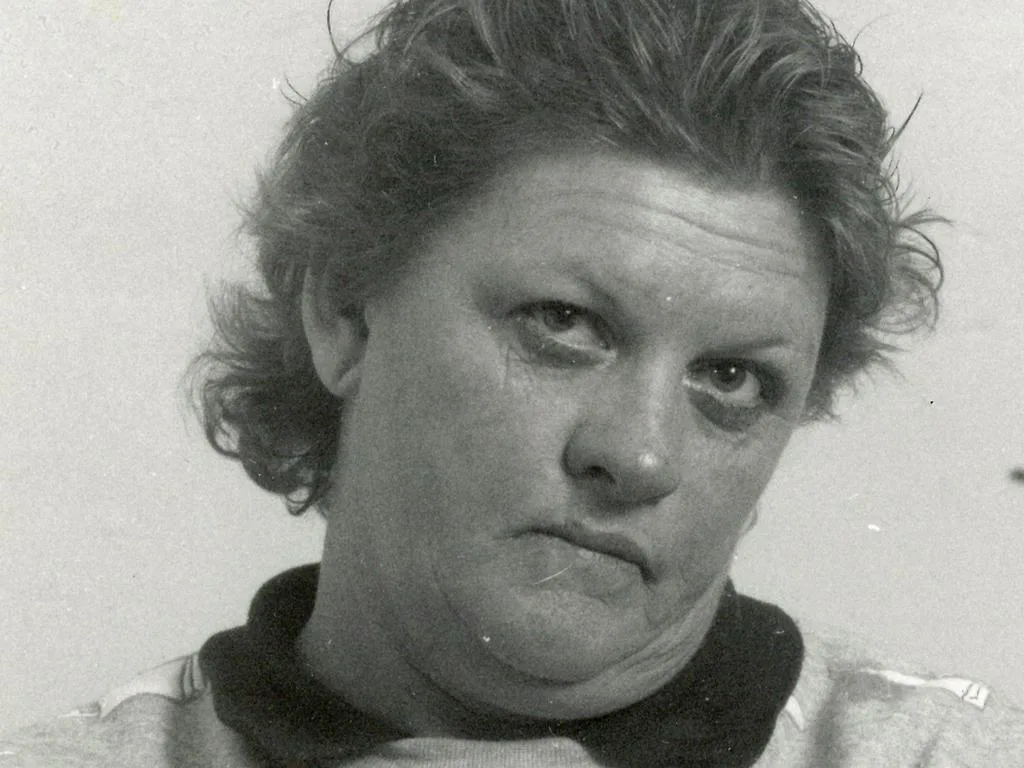
Valmae Faye Beck was born on August 2, 1943, in Brisbane, the youngest of four children. At twelve she was working in a clothing factory. By fifteen, Child Protective Services had removed her from the family home after finding both parents neglectful.
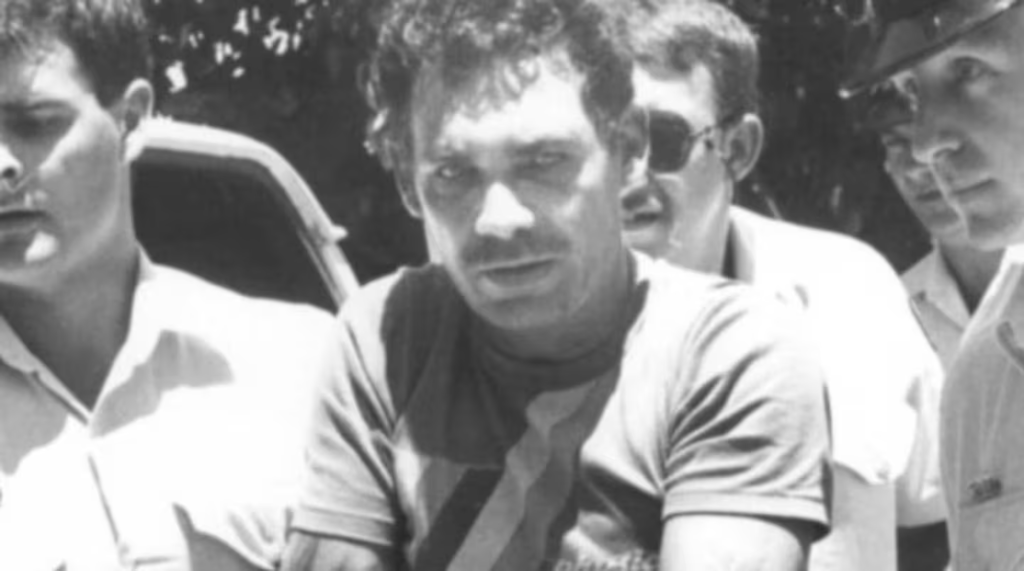
She spent much of the period between 1961 and 1972 in and out of jail, accumulated multiple marriages, had six children from previous relationships who did not live with her, and carried a criminal record for theft, indecent behaviour, forgery, and vagrancy. While serving time in a Perth prison, she formed a relationship with convicted serial killer Catherine Birnie. It was in Perth that she met Barrie John Watts following his own prison release in 1983. They married in 1986.
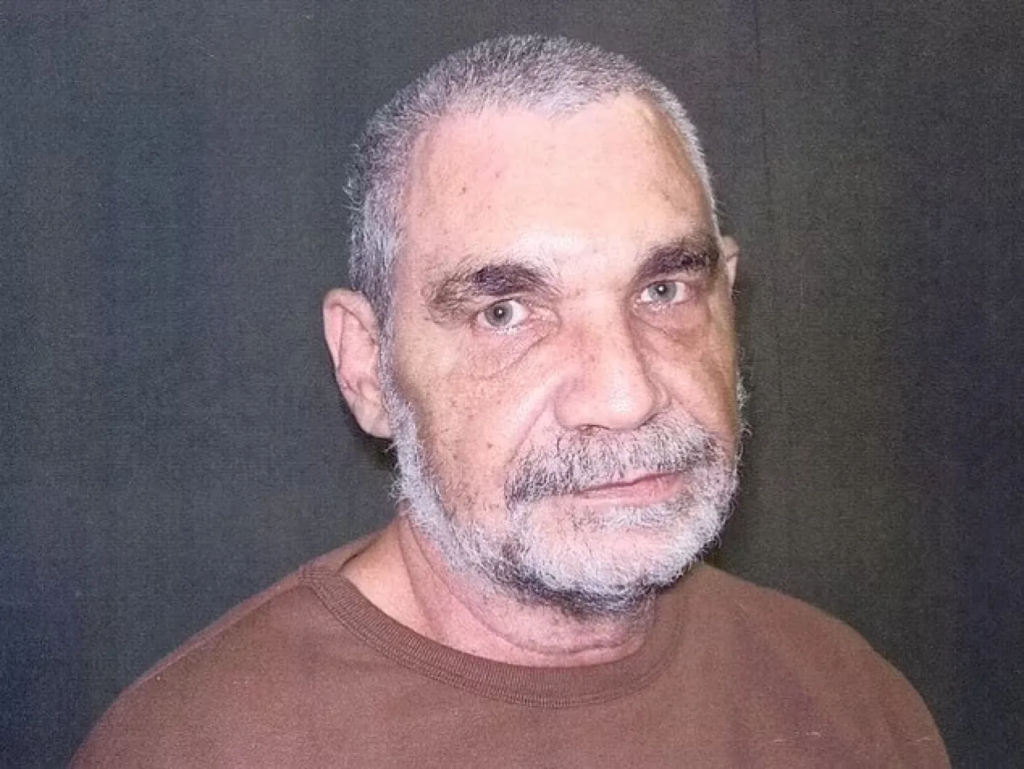
Watts was born in 1953, an orphan and ward of the state from childhood, with a criminal record for assault and making threats that included an attack on a former partner. He was approximately ten years younger than Beck. From the beginning of their relationship, he was the dominant and coercive figure. He resented her previous marriages and over time developed a specific violent sexual fixation. Beck, unwilling to lose the marriage, agreed to help him act on it.
In 1987, just one month before Sian’s disappearance, Watts was tried for the murder of Helen Mary Feeney, a thirty-one-year-old student last seen alive on October 29. The case collapsed due to insufficient evidence and he was acquitted. Beck later testified that Watts had disposed of Feeney’s body at a rubbish tip near Lowood, west of Brisbane. No physical evidence has ever confirmed this. His acquittal made investigators determined he would not escape justice a second time.
The Last Afternoon
Beck and Watts drove north from their rented property in Lowood, Queensland, to Noosa Heads on the afternoon of November 27, 1987. They had already made attempts to find a victim in Ipswich before deciding to try the Sunshine Coast, reasoning that young girls would be out in the afternoon. They found Sian cycling through Pinnaroo Park at around 4:30 PM.
Beck called her over, telling her she was looking for a lost white poodle with a pink bow and needed help. Sian climbed off her bicycle. Watts stepped out and grabbed her from behind, forcing her into the back of the station wagon. They bound and gagged her inside the vehicle. Beck drove. They covered fifteen kilometers to the Tinbeerwah forest.
What happened there lasted approximately two hours. Cars passed along a road just 150 feet away, shielded from view by the tree line. When it was over, Watts strangled Sian, slashed her throat, and stabbed her twelve times. Three wounds penetrated all the way through her heart.
Beck later told investigators, in a detail that became one of the most widely reported aspects of the case, that throughout the entire ordeal Sian had not cried, had not screamed, and had not struggled. She described the twelve-year-old as “a brave little girl” who “never uttered a peep” and “just did everything he told her.”
When it was over, the couple drove home and spent the evening watching television.
Arrest and Trial
When news of the discovery saturated Queensland media, Beck and Watts moved immediately. Valmae dyed and cut her hair. They left their Lowood property on December 4, 1987, the day the body’s discovery made the news, abandoning the house and leaving behind the discarded hair dye and cut hair that investigators would find when they visited on December 11. The couple drove to Melbourne and sold the white Kingswood.
The case appeared to have gone cold. Then the landlord of the Lowood property received a money order from the couple bearing a New South Wales address. Police descended on it immediately. Beck and Watts were arrested on December 12, 1987, and extradited to Queensland. Three days later, on December 15, they were formally charged with the abduction, rape, and murder of Sian Kingi.
Watts said nothing throughout interrogation. Beck did not stay quiet. Eating chocolates and crying, she told investigators everything: the fixation, the previous attempts on other victims in Ipswich, the decision to drive to the Sunshine Coast, the lost-poodle ruse, the abduction, the drive to Tinbeerwah, and what Watts did there. Between her statement and secret recordings from their adjacent holding cells, investigators were able to reconstruct the full sequence of events. At the committal hearing in April 1988, Beck pleaded guilty to abduction and rape, and not guilty to murder. Watts pleaded not guilty to all four counts.
Investigators had a confession. They also had a recent memory of Watts walking free from the Feeney trial. They were not prepared to leave his conviction to chance. Detective Matthew Harry was placed inside Watts’s prison cell under a false identity, posing as a new cellmate. The room was monitored. Harry lived alongside Watts for weeks, gathering material that would fortify the prosecution’s case. He later described the experience:
“Your basic instinct is to break their necks but you can’t. You never forget their faces. You work together to get the result, to get them off the street and make sure this doesn’t happen again. But once you’ve got to that point and the adrenaline’s gone, that’s when all the thinking starts. It was hard because at the end of the day nobody wanted to talk about it, but a lot of people cried about it. The police force back then had no safety net and absolutely zero support. If you felt hurt you were less than a man.” Detective Matthew Harry
Harry took three months off work when the operation ended and then resigned from the force entirely, at 27, on medical grounds.
Beck and Watts were tried separately at the Brisbane Supreme Court. Beck was found guilty on October 20, 1988, and sentenced to life imprisonment for murder, five years for rape, and three years for abduction. Watts’s trial followed in February 1990.
The prosecution’s case rested on his own post-arrest confession, Beck’s testimony, forensic fibre evidence linking the crime scene to the station wagon, and biological material connecting him to the rape. Watts’s defence argued Beck had acted alone. The jury rejected this. Watts was found guilty on February 28, 1990, and sentenced to life imprisonment for murder, fifteen years for rape, and three years for abduction.
The sentencing judge described Watts as “a thoroughly evil man devoid of any sense of morality” and recommended he never be released. The recommendation was entered into his case file.
Aftermath
Inside prison, Beck became a target. She was attacked by other inmates repeatedly and at one point struck across the head with a tin can swung inside a sock, causing serious injury. She was eventually transferred to the Townsville Correctional Centre for her own safety.
There she converted to Christianity, divorced Watts in 1990, and declared that she regretted everything she had ever done with him. She applied for parole three times. Each application was rejected, and her non-parole period was extended by eighteen months specifically for her role in assisting with the disposal of Helen Feeney’s body. In 2007, she legally changed her name to Fay Cramb.
That same year, Watts made his only known confession to his involvement in Sian’s murder, an attempt investigators believed was made to improve his standing at a forthcoming parole review.
In May 2008, Beck was admitted to Townsville Hospital and underwent heart surgery. She was placed in a medically induced coma. Cold case detectives had been positioned at the hospital, hoping she might speak before she died.
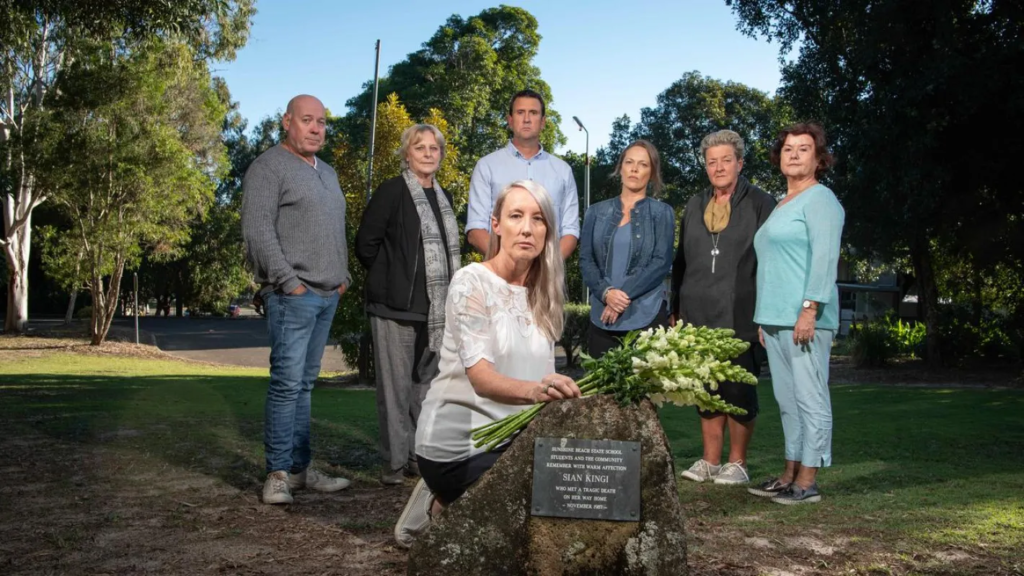
Not only about Sian, but about a series of other unsolved murders of young women across Queensland, including the disappearance of Brisbane shop assistant Sharron Phillips and the death of Helen Mary Feeney. Investigators never treated the Kingi case as isolated. The pattern of prior attacks, the unresolved disappearance of Feeney, and the suspects’ movements all pointed to the same conclusion: Sian was not their first victim. No charges beyond those related to her murder were ever successfully prosecuted.
Beck’s condition appeared to stabilise. Then it deteriorated. She was described by hospital staff as incoherent and unresponsive in her final days. No next of kin were present when she was declared dead at 6:15 PM on May 27, 2008, at the age of 64. Acting Police Minister Robert Schwarten confirmed her death. “She got a life sentence and it turned out to be that,” he said. “Right until the end, she was no assistance to police. I don’t think there will be many Queenslanders who would shed a tear in her direction.”
Barrie John Watts was denied parole in 2009 and again in 2015. In late 2020, when news broke that he had applied a third time, a petition titled “Sign for Sian” gathered more than 47,000 signatures within three days.
Former Police Commissioner Bob Atkinson stated publicly that some offenders lose the right to ever be returned to society. “Barrie Watts is one of those offenders,” he said. His third application was denied in 2021. That same year, Queensland passed legislation allowing child murderers and serial killers serving life sentences to be denied parole for up to ten years at a time, with no limit on the number of renewals.
The legislation was formally named Sian’s Law. In February 2024, the Queensland Parole Board used it to block Watts from applying for parole until February 2034. He will be eighty years old when that date arrives.
Sian Kingi was twelve years old. She was seventeen days from her thirteenth birthday. She had spent the afternoon with her mother picking out fabric for a party dress, and she was cycling home through a park she had passed through a hundred times before. She was still wearing her school uniform when they found her.
