
At 4:15 p.m. on September 26, 1994, fourteen-year-old Helen Pacey came home from school and pushed open the first-floor bathroom door of the family’s house on LongCliff Road in Grantham, Lincolnshire. The door met resistance. She pushed harder. Her mother was lying face down on the tiles.
Helen thought she had collapsed. She called 999.
Julie Pacey, 38 years old, a part-time nursery worker and mother of two, had been sexually assaulted and strangled. Her killer had taken the ligature cord with them. Her daughter, investigators would later conclude, had found her just minutes after she died.
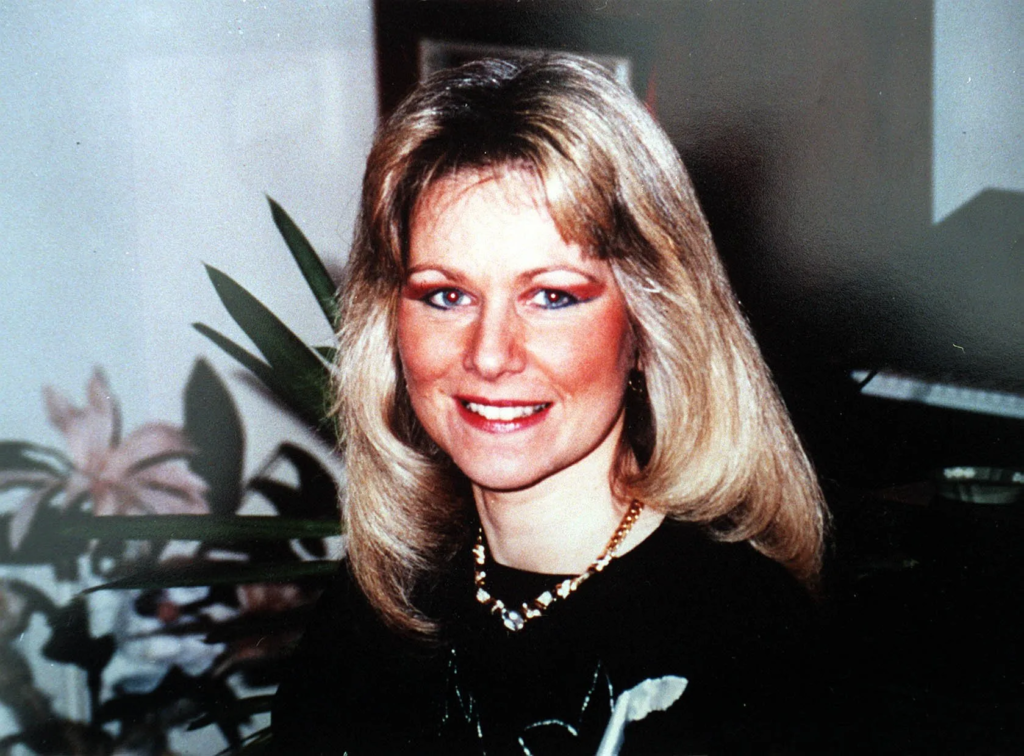
A Life in Grantham
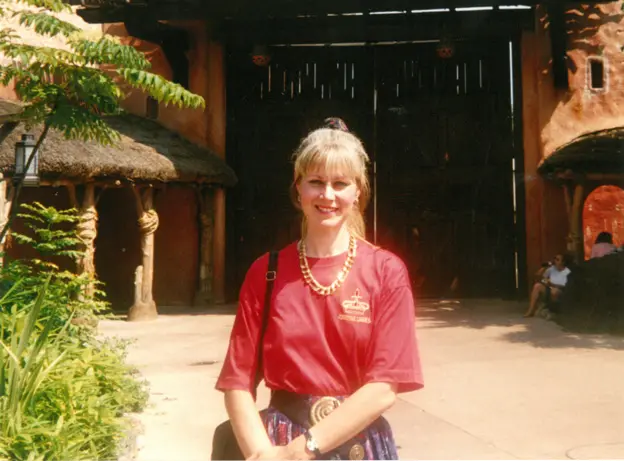
Julie and Andrew Pacey were childhood sweethearts. By 1994 they had been married for eighteen years, raised two children, Helen, fourteen, and Matthew, eleven, and built a life in a luxury home on LongCliff Road. Andrew later described his wife as kind and caring and considerate. She lived, he said, for the family.
She worked part-time at Saint Peter and Paul day nursery on Saint Catherine’s Road, a building that sat directly opposite the local police headquarters. On the morning of September 26, she left for her shift at approximately 10 a.m. Andrew and his brother were away working a plumbing contract at a packaging firm on Springfield Road. Julie returned home at 2:45 p.m. in the family’s Audi. Around thirty minutes later, she left again to go to the shops, and witnesses saw her driving along High Cliff Road near her home.
No one who knew her reported anything unusual about that morning. Nothing suggested what was waiting for her when she got back.
Two Figures Emerged
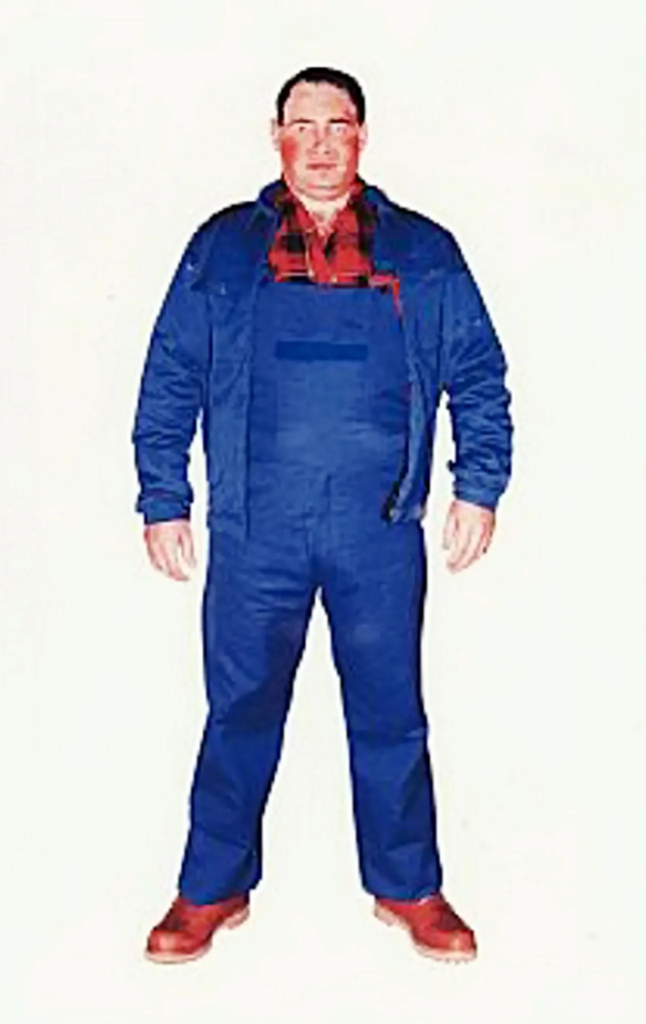
At the moment Julie drove past on High Cliff Road, a man in blue overalls was walking along the road. He stepped into her path, forcing her to brake sharply. When her car passed, witnesses saw him turn around and sprint back in the direction her Audi had come from. He was overweight, with a round face and a conspicuously flushed, ruddy complexion, and he appeared to be between 35 and 45 years old. He would become known throughout the investigation as the Overalls Man.
He had been present in Grantham in the days surrounding the murder, between September 22 and September 27. Multiple witnesses noted his pink, flushed face independently of each other. He approached people across the town and asked for directions to various locations, including, on one occasion, an industrial estate on the opposite side of Grantham. On every occasion, he listened without asking anyone to repeat themselves.
Three days before the murder, on September 23 at around 3:30 p.m., a girl who regularly visited the Pacey home after school to wait to be collected by her mother arrived to find the Overalls Man walking up the driveway. As she entered, he passed her. She noted his blue overalls, brown workman’s boots, rough hands, and round pink face, and described him simply as strange. Inside, Julie told the girl the man had knocked at the door. She had initially assumed it was the girl arriving early. When she opened the door to find a stranger standing there, she was visibly surprised. He had asked her for directions to Askdale Road.
On September 27, the day after the murder, the Overalls Man was still in Grantham. A shopkeeper in the town center observed him acting suspiciously. Earlier that same morning, at 9 a.m., he had been seen kicking through grass as though searching for something.
A second figure ran alongside the Overalls Man that investigators could not place. In the hours before Julie’s death, several witnesses reported seeing her travelling in a BMW 5 Series, despite the Pacey family car being an Audi. At 2:50 p.m., five minutes after Julie arrived home, an acquaintance of the family watched a BMW pull into the driveway with the Audi already parked there. At around 3:20 p.m., the same car was twice seen speeding away from the house. The Pacey family said they had no knowledge of any BMW. Its driver was never identified.
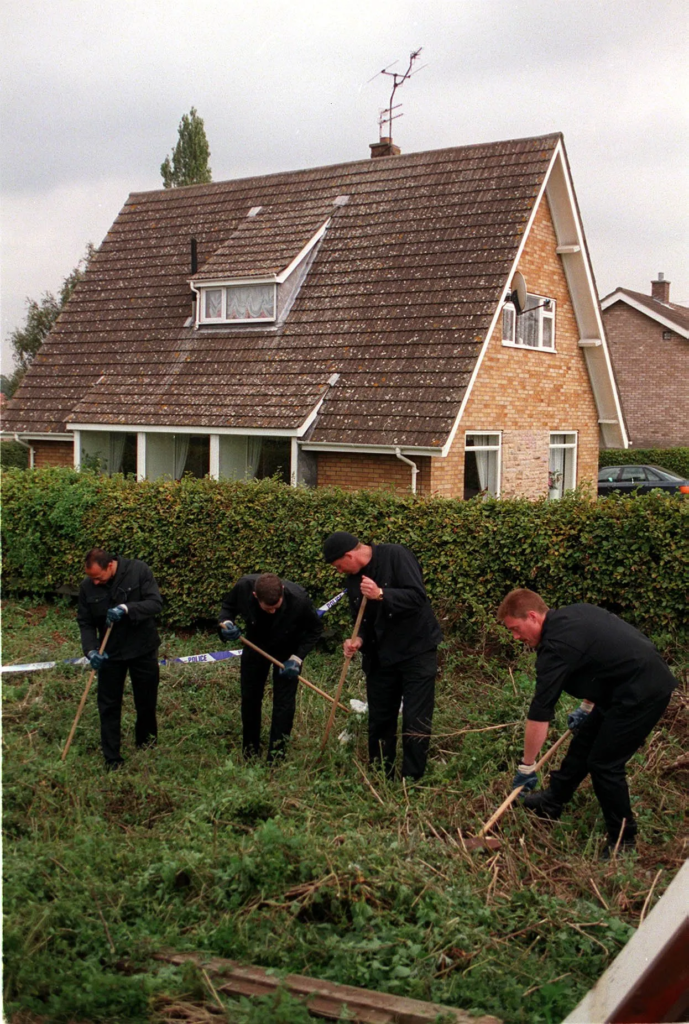
The Crime Scene
Investigators found no signs of forced entry at the house on LongCliff Road. No signs of a struggle anywhere inside. The back door and all windows were locked. Helen could not recall whether the front door had been locked when she arrived home at 4:15 p.m.
Julie had been sexually assaulted and strangled with a ligature cord her killer had removed from the scene. She was fully clothed, though her clothing was disordered. A Luc de Roche watch she had bought on holiday in France just weeks earlier, worth around ten pounds, was missing from her wrist. The absence of defensive injuries led investigators to conclude she had been attacked from behind, without warning.
The watch was never recovered.
The Investigation Stalled
Police established the motive as sexual but struggled to determine why Julie Pacey had been specifically chosen. Investigators theorized the stolen watch had likely been given to a partner or acquaintance who had no idea of its origin. Julie’s parents believed her killer had not known her personally but had known of her, pointing out that it was no coincidence the attack occurred on one of the few days she was alone in the house. Detective Superintendent Roger Billingsley declared the crime premeditated.
Over 500 people in the area were questioned. E-fits of the Overalls Man were distributed to every household in the neighborhood. Questionnaires went out to mothers and children across the town. All leads reached dead ends.
In 2001, Julie’s case was briefly connected to the unsolved murder of Sharon Harper, a 21-year-old barmaid found beaten and strangled in the car park of Shepherd Construction on Earlsfield Lane on July 3, 1994, roughly two and a half miles from LongCliff Road. Like Julie, Sharon had been sexually assaulted before she was killed. Police later stated the cases were unrelated and offered no further explanation. Sharon’s daughter, who was just a few months old when her mother was murdered, has said she is eager for her mother’s case to receive wider public attention. She, like Julie’s family, has never been given a reason.
Two Appeals, No Match
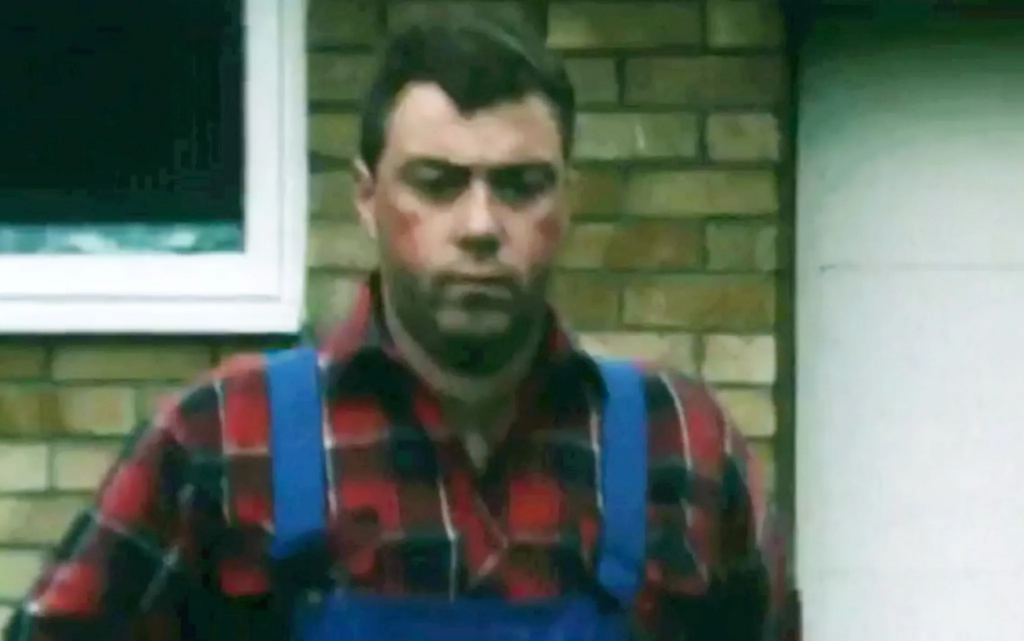
In 1994, Crimewatch aired an appeal about the case and staged a reconstruction in which an actor portrayed the Overalls Man. The broadcast produced no breakthrough. In 2015, Crimewatch ran a second appeal, rebroadcasting the 1994 reconstruction and announcing that police had obtained a full DNA profile of Julie’s killer, described as a landmark forensic breakthrough. The profile was run through the national criminal database. No match was found.
Police named the Overalls Man as their primary suspect and stated they were confident he was responsible for Julie’s death. Both Crimewatch broadcasts had clearly identified the reconstruction as a dramatization. It made no difference. Steve Watson, the actor who had played the Overalls Man, was reported to police by members of the public who believed he was the real killer. He was subjected to verbal abuse in his community. He submitted his DNA voluntarily to clear his name. He was ruled out in 2017.
No Answer
As of 2023, the murder of Julie Pacey remains unsolved. The Overalls Man has never been identified. The owner of the BMW seen at her home that afternoon has never been identified. A killer’s DNA profile exists with no name to match it.
Helen Pacey was fourteen years old when she pushed open that bathroom door and found her mother on the tiles. Matthew was eleven. Andrew had spent eighteen years married to his childhood sweetheart.
None of them have ever been given an answer.
