
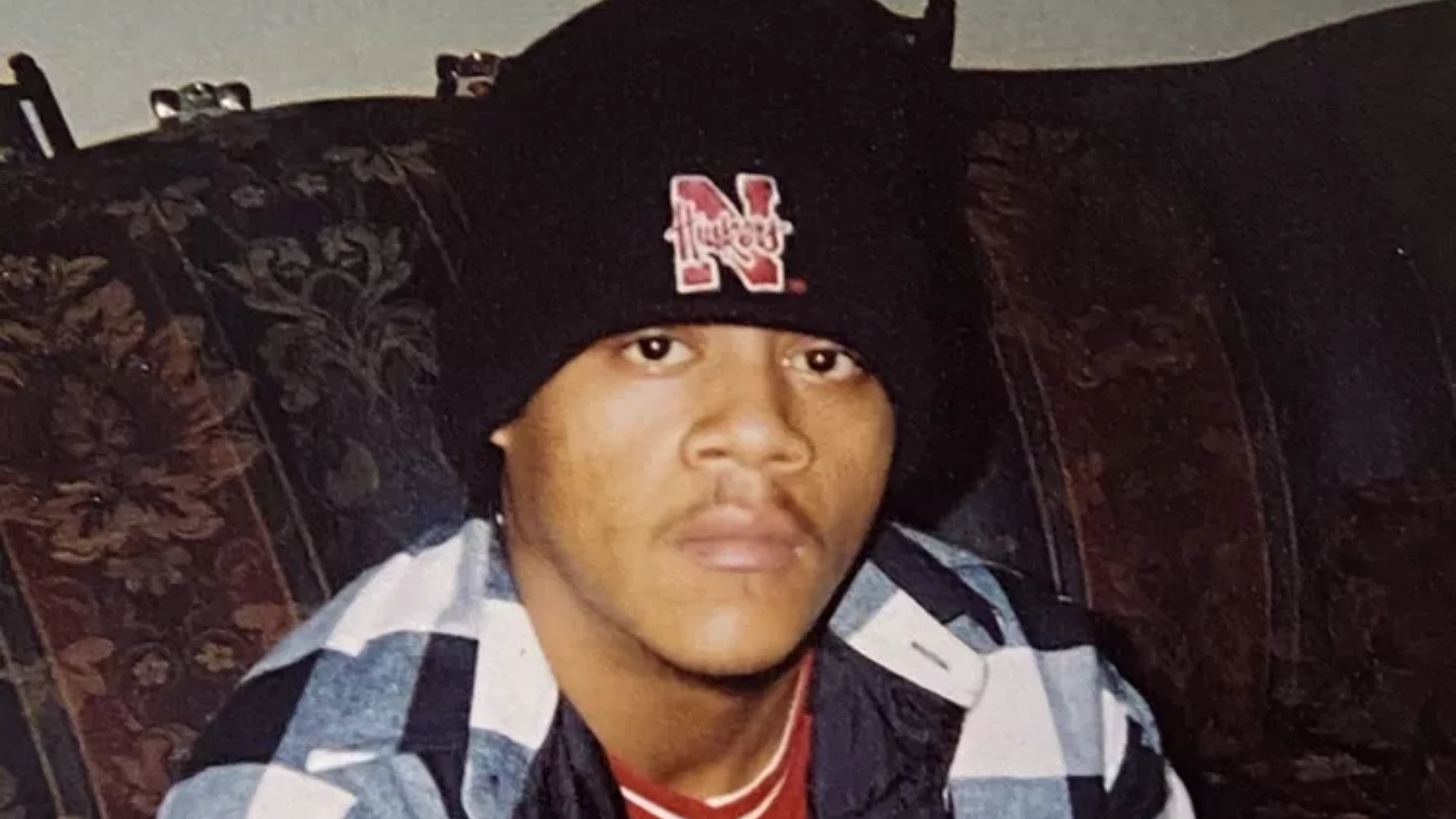
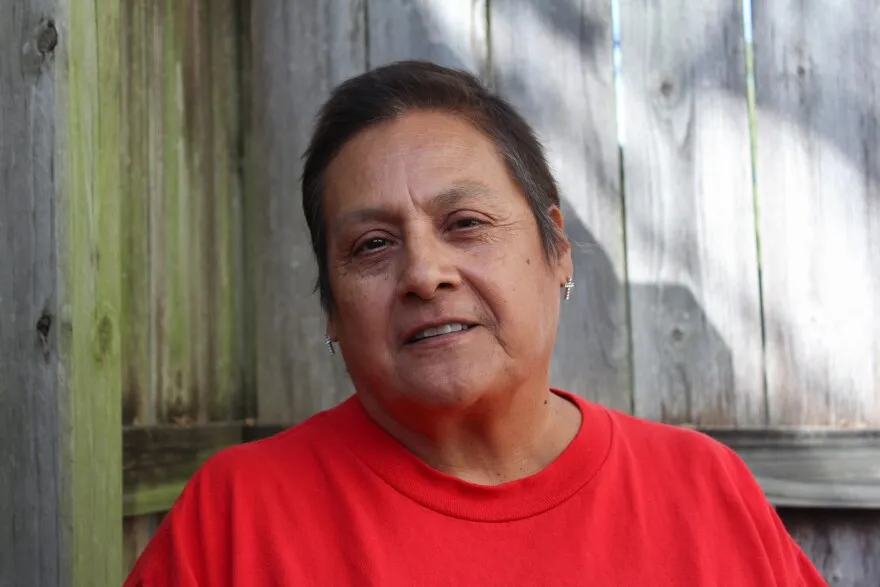
On May 1, 2004, Maria Ramirez was finally allowed to look for her son. It had been 28 days since Alonzo last walked out her front door. Law enforcement had searched the creek beds, deployed cadaver dogs, sent helicopters over the surrounding fields, and found nothing.
That morning, Maria organized roughly 50 volunteers, divided them into groups, and spread them out along the banks of Middle Creek near La Cygne, Kansas. Within the first hour, a volunteer pushing through brush near a white shed discovered Alonzo’s fully clothed, decomposing body lying on a pile of broken tree branches, less than 650 feet from the farmhouse where her son had last been seen alive.
Six official searches had covered that same ground. His family found him in under 60 minutes.
The Night He Vanished
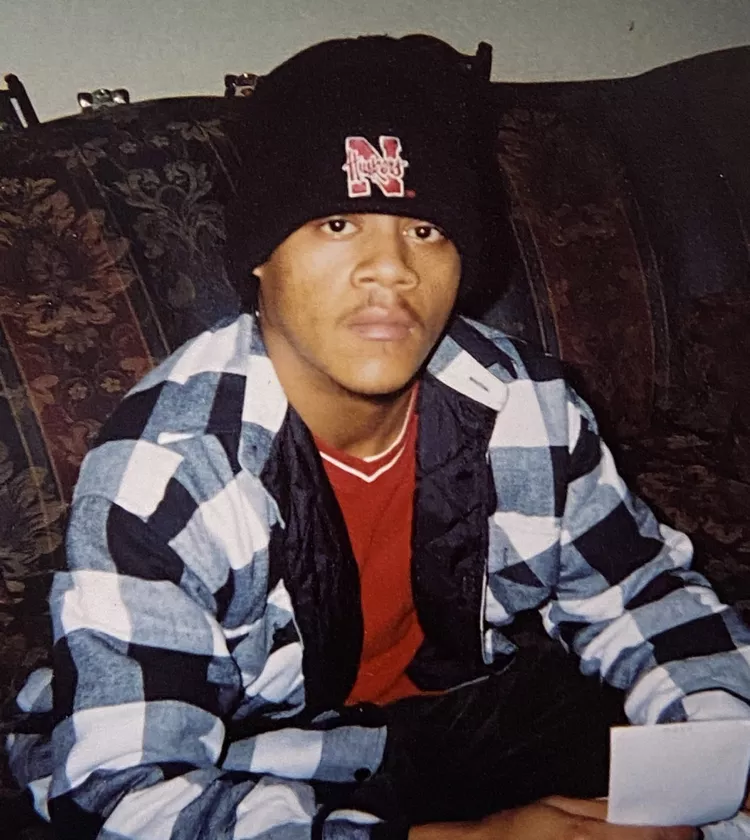
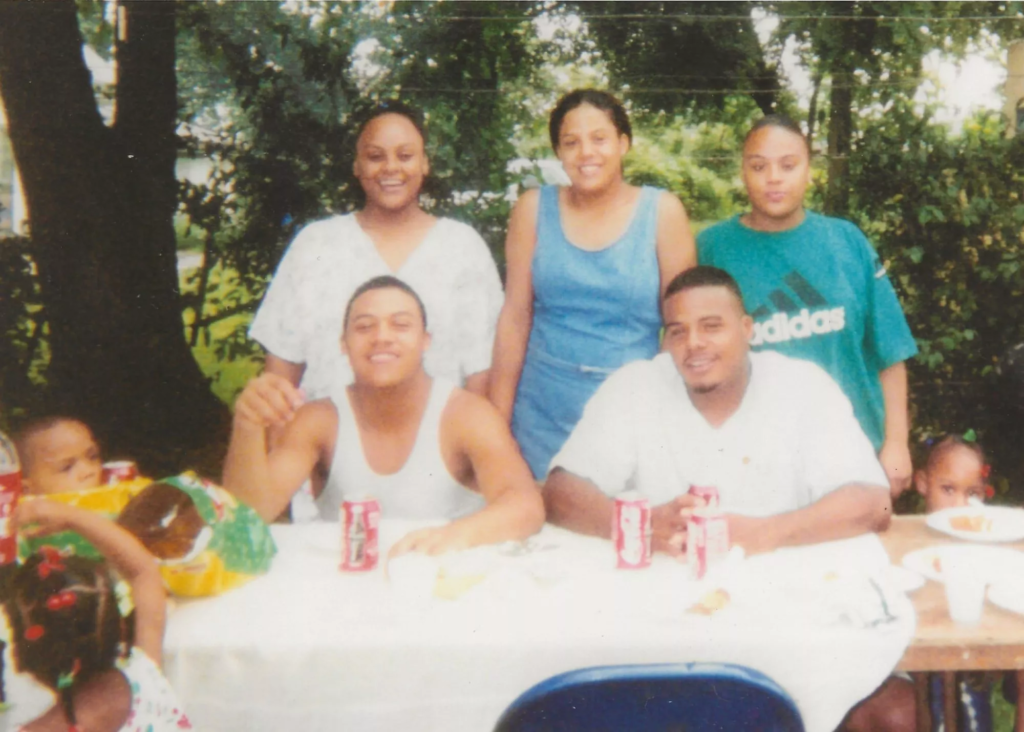
Alonzo Tyree Brooks was born on May 19, 1980, in Topeka, Kansas, the youngest of five children born to Billy Brooks Sr. and Maria Ramirez. He was of African American and Mexican descent. As a kid, he loved karate, football, and riding his bike around the neighborhood, the type of younger brother who trailed his older siblings everywhere they went.
As he got older, he became the fun uncle to the family’s children, quick with a joke, happy to babysit, and known to enforce bedtime rules with unexpected seriousness. By his early twenties, he had relocated with his mother to the town of Gardner, where he worked as a custodian for Countryside Maintenance. He was 23 years old, living with the woman he was closest to in the world.
On the evening of April 3, 2004, Alonzo and a few acquaintances made an unplanned decision to drive to a farmhouse party in La Cygne, a remote, predominantly white community roughly 50 miles south of Gardner. His acquaintance Justin Sprague drove. It was the kind of outing that happened on impulse, no invitation extended, no plan arranged, just a group of young men deciding at the last moment to make the drive out to Linn County.
La Cygne was known for racial hostility toward people of color. When Alonzo walked into that farmhouse, he was one of only three Black men at a gathering that numbered over 100 people.
Those who knew him described Alonzo as naturally reserved around strangers. That night he had a few drinks, loosened up, and appeared to be enjoying himself. At some point during the party, he nearly got into a physical confrontation with another attendee. According to witnesses who later spoke to Unsolved Mysteries producers, the argument reportedly involved a woman. His friend Daniel stepped between them before it escalated further. T
hen Daniel left for a second party happening nearby. Shortly after, Tyler, another friend from the group, also departed. By around 11 p.m., only Alonzo and Justin remained at the farmhouse.
The two were outside smoking when they ran out of cigarettes. Justin left to find more, turned the wrong direction on the unfamiliar country roads, and got lost. He called a mutual friend still at the party and asked him to let Alonzo know what had happened. Justin could hear Alonzo laughing somewhere in the background of the call.
He asked the friend to give Alonzo a ride home. The friend agreed. Somehow, the two missed each other entirely. By the time the friend left the party, he believed Alonzo had already found his own way back to Gardner.
He hadn’t.
The Body in Middle Creek
The following morning, a friend called Maria and asked if Alonzo was home. His bed had not been slept in. The Brooks family drove the 50 miles to La Cygne and found the farmhouse property eerily pristine, with no evidence that a gathering of more than 100 people had taken place there the night before.
Searching the surrounding fields, Alonzo’s friend Rodney found his hat and one boot lying in the field directly across from the farmhouse driveway exit. The second boot turned up on the bank of Middle Creek a short distance away. Before the family could continue, strangers arrived in a vehicle and ordered them off the property. Those individuals have never been identified.
Maria reported her son missing to the Linn County Sheriff’s Department. She was told no report could be filed for another 48 hours. Alonzo was somewhere outside without shoes, in heavy rainfall, on an ankle he had injured weeks earlier in a basketball game.
Three days after his disappearance, the Kansas Bureau of Investigation assumed control of the case from Linn County. Evidence recovery teams and dive units searched Middle Creek. Cadaver dogs worked the surrounding fields and brush. Helicopters swept the area. On April 10, the FBI joined the investigation, formally opening the possibility that Brooks had been targeted in a racially motivated attack. The family called the KBI daily asking for updates. They were told to stand down from conducting their own search.
They complied for 28 days.
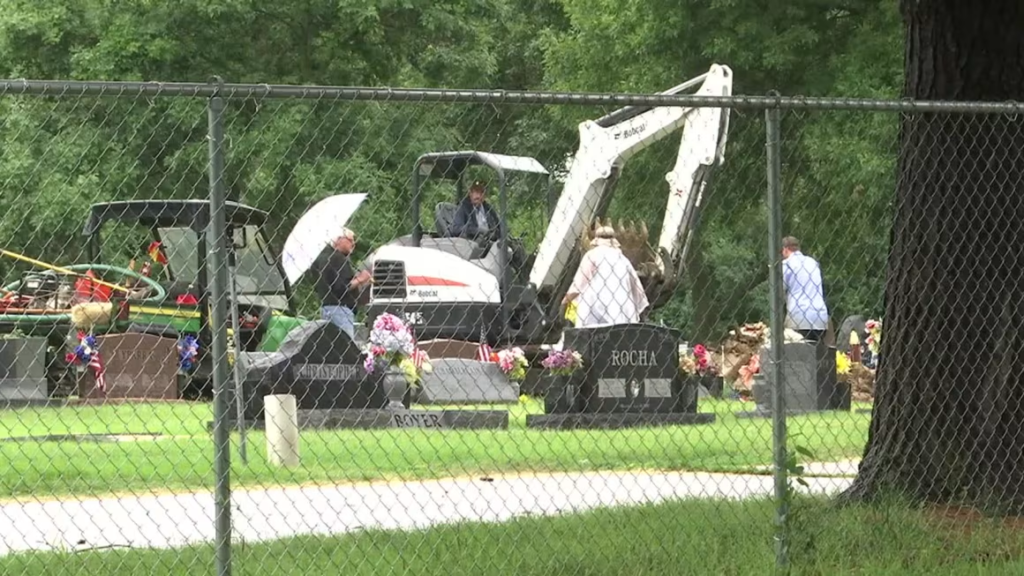
On May 1, the family was finally permitted to search. The 50-volunteer search party they organized found Alonzo’s body in the first hour of the first day. His remains lay on a bed of broken tree branches collected at Middle Creek, less than 650 feet from the party house. His wallet and papers, still on his body, showed no signs of water damage.
The autopsy produced no clarity. There were no broken bones. No evidence of blunt force trauma, strangulation, or gunshot injury. No water in his lungs to indicate drowning. Because the original Linn County pathologist could not establish a cause of death, and because no other evidence was sufficient to support criminal charges, the case was closed. The Brooks family could not accept it.
His brother Billy Brooks Jr. told Unsolved Mysteries producers: ‘There’s no accident that could have happened to my brother. That was intentional. Very intentional.’ His aunt Angela Cox, who had been among the search volunteers, said the family knew immediately that something was wrong when they saw the condition of his body. His mother Maria told NBC’s Dateline: ‘They didn’t just target one race. They killed two. He was targeted because of the color of his skin.’
In 2019, the U.S. Attorney’s Office for the District of Kansas and the FBI formally reopened the investigation. U.S. Attorney Stephen McAllister stated publicly that Alonzo’s death was unlikely to be self-inflicted or accidental. ‘It defies reason to believe that Alonzo’s death was a suicide or that he somehow accidentally tumbled into a relatively shallow creek in Linn County, leaving behind his boots and hat, all with no witnesses whatsoever,’ McAllister told Dateline. His office announced the case would be pursued as a potential hate crime.
On July 1, 2020, Unsolved Mysteries aired an episode titled ‘No Ride Home’ profiling Brooks’s case. Tips flooded into the FBI Kansas City field office. Twenty days later, on July 21, Alonzo’s body was exhumed from a cemetery in Topeka and transported to Dover Air Force Base for examination by the Armed Forces Medical Examiner.
The examiner’s team, which included forensic pathologists, a forensic anthropologist, and entomologists, reviewed the exhumed remains alongside original scene photographs, insect evidence, and the environmental conditions present when the body was first discovered. They also learned, during the renewed investigation, that a second party had taken place in La Cygne that same night, one that ended abruptly when a fight broke out, sending its attendees directly to the farmhouse where Alonzo was last seen alive. The full significance of that detail has never been publicly explained.
In April 2021, Acting U.S. Attorney Duston Slinkard announced the examiner’s conclusion: Alonzo Brooks was murdered. The examination had identified injuries to portions of his remains inconsistent with normal decomposition patterns. ‘This new examination by a team of the world’s best forensic pathologists and experts establishes it was no accident,’ Slinkard said. ‘Alonzo Brooks was killed. We are doing everything we can, and will spare no resources, to bring those responsible to justice.’
The FBI’s $100,000 reward for information leading to an arrest and conviction has gone unclaimed. No charges have been filed. No one who attended the party at that La Cygne farmhouse on the night of April 3, 2004 has ever been charged with anything in connection with Alonzo Brooks’s death.
Alonzo Brooks was 23 years old. He was the youngest of five children. He was a good-humored young man who loved football and karate and making his family laugh. He moved to Gardner to be close to his mother.
On a Saturday night in early spring, he climbed into a car and made the drive to a party 50 miles from home. He was heard laughing on a phone call at 11 p.m. Someone out there knows what happened between that moment and the morning his mother found his bed untouched. Twenty years later, no one has spoken.

To the family, I’m so sorry. I wish someone would come forward. It’s been so long.