
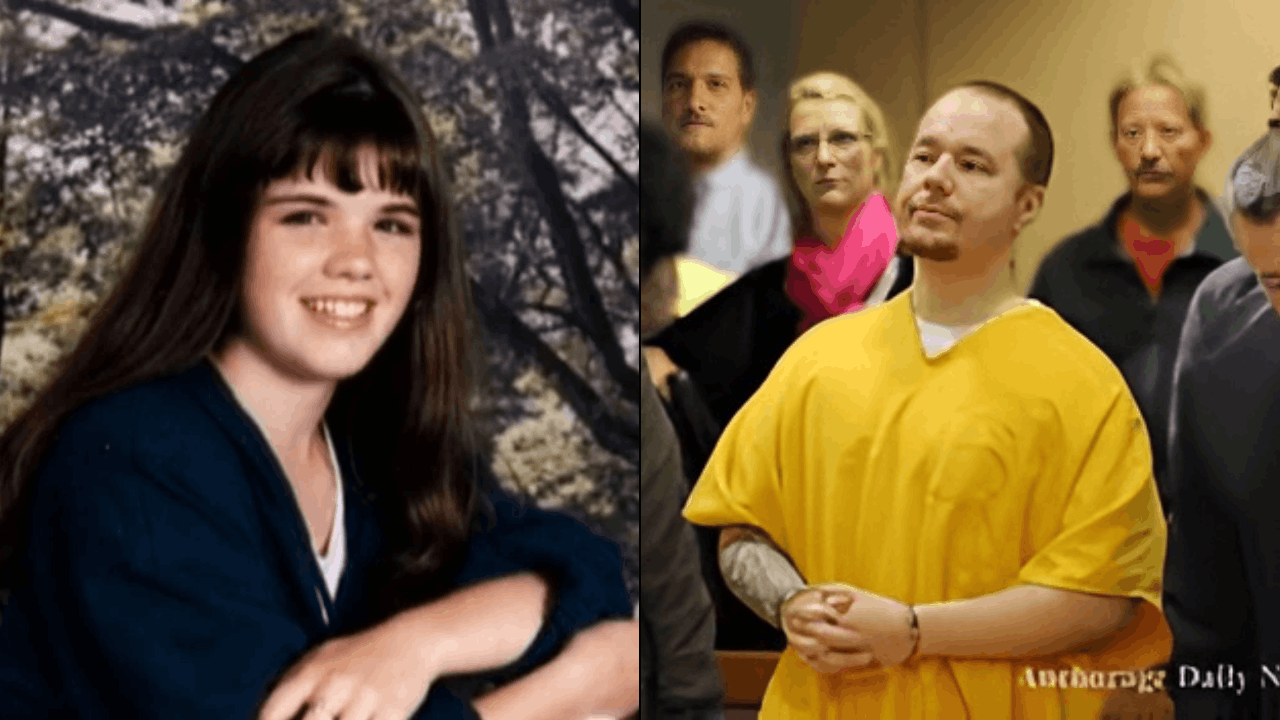
At 5 a.m. on September 28, 1994, Bonnie Craig left her South Anchorage home in the dark, backpack over her shoulder, walking toward a bus stop two and a half miles away. She had a 7 a.m. English class. She was always on time. By 2:15 that afternoon, a woman walking near McHugh Creek found a body floating face down in the water. It was Bonnie. She was 18.Her killer would not be identified for another 12 years.
She Came from Everywhere
Bonnie Christine Craig was born on March 30, 1976, in Calgary, Alberta, to Gordon and Karen Craig. She was the first daughter and first granddaughter on her side of the family, joining an older brother, Jason. When Bonnie was three, her mother married Gary Campbell, whose career with British Petroleum took the family across North America. Bonnie attended six different elementary schools and two junior high schools, including Hanshew Junior High School in Anchorage. By the time she landed at Robert Service High School in Anchorage, she had learned to fit in fast.
At Service High she played violin and viola in the school orchestra, competed in swimming, diving, and horseback riding, and became the first female member of the school wrestling team. She served as president of the SADD chapter, Students Against Drunk Driving, in memory of her friend Katie Garcia, who had died in a drunk driving accident. She graduated in 1994.
The family had lived in Concord, California, Anchorage, Midland, Texas, and Sugar Land, Texas before the children settled on Anchorage as home. By the time Bonnie enrolled at the University of Alaska Anchorage to study psychology, she was already planning her next move: relocating to San Francisco to be with her boyfriend, Cameron, and continue her education there. She worked at Sam’s Club, handing out food samples between classes. She wrote poetry. Friends remembered her as enthusiastic and full of life.
The Morning Walk
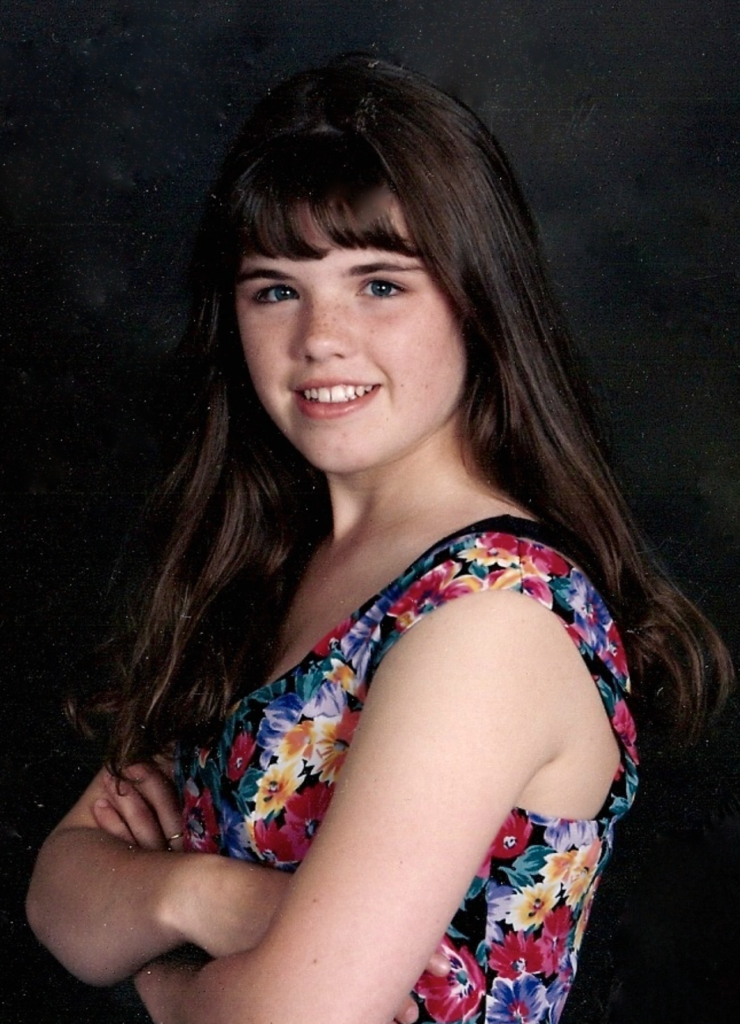
Twice a week Bonnie made the 45-minute pre-dawn walk to her bus stop. On the morning of September 28, 1994, a neighbour saw her walking from her home at around 5:20 a.m. Another saw her at the bus stop approximately an hour later. An anonymous tip later called into the Crimestoppers hotline reported her talking with two men in an older, yellow or light-coloured compact car at the stop. Neither the vehicle nor its occupants were ever traced.She never boarded a bus. She never arrived at her English class.
At 2:15 p.m., a woman walking near McHugh Creek, a scenic area off the Seward Highway roughly ten miles from Bonnie’s bus stop, spotted a body in the water. Bonnie Craig had been sexually assaulted, struck repeatedly in the back of the skull, and thrown from a 30-foot cliff.
The medical examiner determined she drowned, but the pattern of lacerations to the back of her head, one fracturing her skull at its base, indicated the injuries came from a blunt weapon, not a fall. A blood-stained leaf found above the cliff line suggested she had been wounded before going over the edge.She was 18. Her school belongings were never found.

A Mother Who Refused to Stop
Alaska State Troopers initially treated the death as a possible hiking accident. Bonnie’s mother, Karen, rejected that from the start. When she viewed her daughter’s body, she noticed defensive wounds on Bonnie’s hands. She pointed out that Bonnie had no reason and no means to travel ten miles from her bus stop on a school morning. Karen pressed investigators, retraced Bonnie’s route herself, and offered leads she believed were being ignored.
Six months after Bonnie’s death, Karen discovered that the initial information she had been given was incomplete: semen had in fact been recovered during the post-mortem examination. Investigators had not publicly confirmed a sexual assault. Karen found an ally in journalist Maria Downey, who was also pursuing information about the case.
One year after Bonnie’s death, a professor contacted Karen with concerns about a student who had made unsettling references in his journal to the day of the murder. The student had arrived late to class, appeared freshly showered, and wore an overwhelming amount of cologne. His subsequent journal entries shifted to a noticeably calmer tone. DNA evidence and a verified alibi ultimately cleared him.
In September 1997, Alaska State Troopers publicly confirmed that Bonnie had been sexually assaulted and beaten before her death, and that she had likely been thrown from the cliff or fallen while trying to escape. Investigators appealed for witnesses who may have seen something on the morning of September 28. Despite the Crimestoppers tip about the two men in the car, no arrests followed.For years, the case stalled.
The Database Match
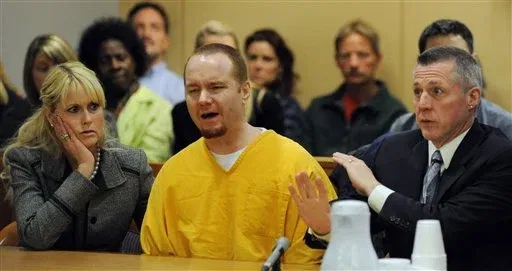
DNA from semen recovered from Bonnie’s body was eventually entered into CODIS, the Combined DNA Index System. In November 2006, it returned a match: Kenneth M. Dion, then 36, a former U.S. Army paratrooper who had been stationed at Fort Richardson in Anchorage in the early 1990s.
Dion was sitting in a New Hampshire prison at the time, serving fifteen years for five armed robberies committed in 2002. After leaving the Army, he had stayed in Anchorage for several years, building a criminal record of theft, robbery, and assault convictions. He was released from an Alaska prison in late July 1994, roughly two months before Bonnie’s murder. A probation violation returned him to custody two months after her death. He left Alaska in 1996.
In a recorded police interview played at trial, detectives showed Dion a photograph of Bonnie. He said he did not recognise her. Asked whether he might know her through a friend, he laughed and said his wife would have killed him. When confronted with the DNA evidence, his account changed entirely: he now claimed they had met and had consensual sex.
In May 2007, Dion was charged with Bonnie’s first-degree murder and first-degree sexual assault. Authorities concluded the crime was a random act of violence, and that Dion had abducted Bonnie while she walked to the bus stop.
The Trial
Dion’s trial began in May 2011. His defence argued that Bonnie had consented to sex and had then fallen to her death alone at the creek. Prosecutors laid out the physical evidence against that account: eleven lacerations to the back of her skull, one fracturing the base; the blood-stained leaf found above the cliff line; the absence of any explanation for how she reached a location ten miles from her bus stop with no known transport. The former medical examiner who conducted the autopsy testified that the wound pattern was consistent with repeated strikes from a blunt object, not a fall.
Bonnie’s family told the court she had been in a committed, serious relationship and had no reason to have been with a stranger. Dion could not provide an alibi. His then-wife told investigators he had not been home that entire week.
After 21 days of testimony, the jury deliberated for a matter of hours. On June 15, 2011, they returned guilty verdicts on all counts.
On October 31, 2011, Superior Court Judge Jack Smith sentenced Kenneth Dion to 124 years in prison: 99 years for first-degree murder and 25 years for first-degree sexual assault. He would not be eligible for a parole hearing for more than 39 years. In February 2015, the Alaska Court of Appeals upheld the conviction, rejecting all three of Dion’s arguments on appeal.
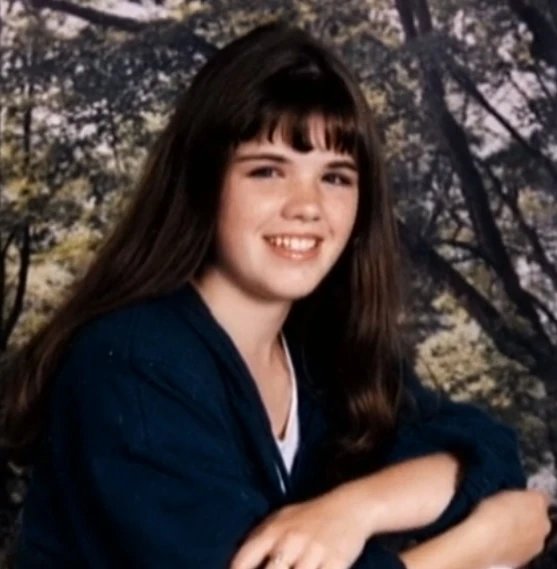
Bonnie Craig
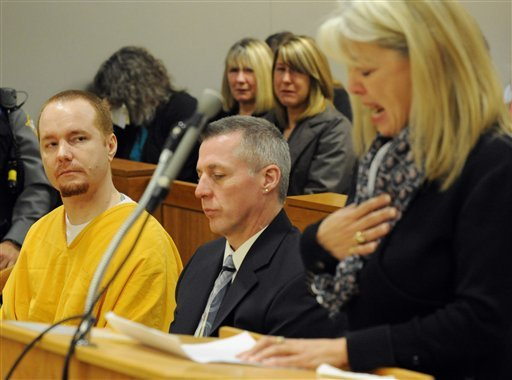
At the sentencing hearing, Bonnie’s sister Samantha Campbell spoke directly to Dion. She called him a jagged, cold, hard, insignificant little pebble tossed into a crystal-clear pool that was her sister, and told him the ripple effect he created would never go away. Karen Foster, Bonnie’s mother, said that from the moment of the conviction she had begun to feel positive. The final chapter had been written, she said. He could no longer control their lives. They could begin to heal.
Bonnie Craig was 18 years old. She was a musician, a wrestler, a poet, a student. She played two instruments and read everything she could get her hands on. She made friends easily in every new city her family moved to, and she had plans: San Francisco, Cameron, a degree, a future. She left her house before dawn on a September morning because she took her education seriously and did not like to be late.
A funeral service was held for her at Rabbit Creek Community Church in Anchorage, where she is buried at Angelus Memorial Park. She was one of a kind, and the people who knew her have never stopped saying so.
