
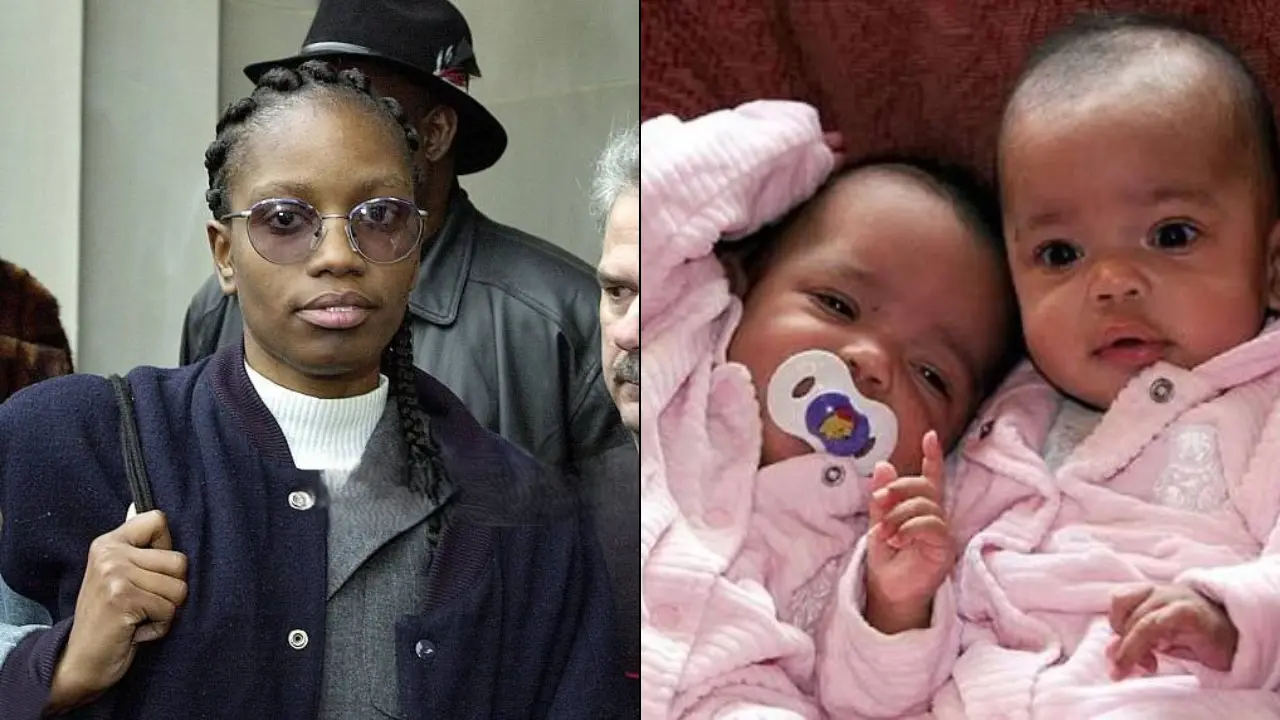
On a November afternoon in 2000, Tranda Wecker called the California couple who had adopted her twin daughters and made a single request. One last goodbye. The babies, Kiara and Keyara, were four months old. Richard and Vickie Allen had paid $6,000 for them, signed the paperwork, and brought them home to Southern California. They had also come to think of Wecker as a friend. They agreed to let her take the girls out for the day.
She never brought them back.
What followed was an international legal crisis that reached the FBI and the desk of British Prime Minister Tony Blair, dragged two families across two continents into a custody war neither could win, and exposed an almost entirely unregulated corner of the internet where newborns could be bought for the price of a used car.
A mother with nothing left
Tranda Wecker was 28 years old when she discovered she was pregnant with twins. She was going through a divorce, working a low-wage job at a Walmart in St. Louis, and living in subsidized housing with three children already, two sons and a daughter, all born in 1997 or 1998. The news of twins, on top of all of that, was not welcome.
The girls were born on June 6, 2000. Wecker named them Kiara and Keyara. Within weeks, she had decided she could not keep them.
She found her solution online. A Caring Heart was not a licensed adoption agency. It was a website. Run from El Cajon, California by a woman named Tina Johnson, whose legal name was Tawana Dancy-Dorte, it operated as an adoption facilitator, connecting women who wanted to place children with couples prepared to pay fees. No state license was required. No official oversight applied. The website promised a service. What it delivered was closer to a marketplace. In the summer of 2000, A Caring Heart began advertising Kiara and Keyara for adoption.
Sold to one family, then another
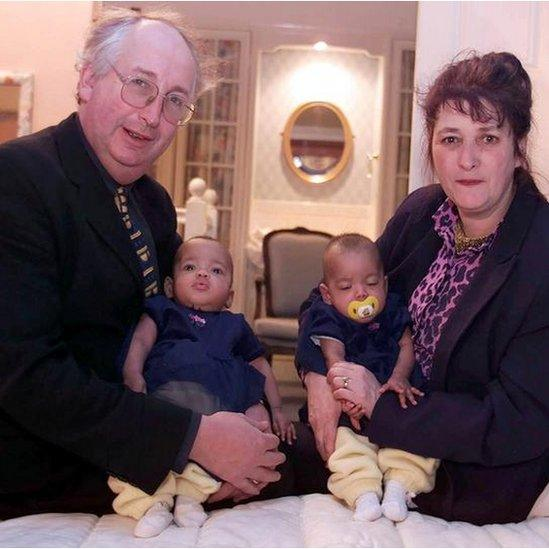
In October 2000, Richard and Vickie Allen contacted A Caring Heart. The couple, who had already adopted a young son, paid $6,000 in fees and completed an adoption agreement with Wecker. The babies were four months old when they arrived in California. The Allens settled into life as their parents.
For a time, everything appeared settled.
But A Caring Heart had already moved on. By late 2000, Johnson was in contact with Alan and Judith Kilshaw, a couple from Buckley, in the Flintshire county of North Wales. Alan Kilshaw, 45, was a lawyer. The pair had been trying to adopt for years and had been repeatedly turned away by the British system. They found the A Caring Heart website. They were prepared to pay considerably more than the Allens had. Johnson told them the twins were still available.
They were not.
In late November 2000, Wecker contacted the Allens and said she needed to say a final farewell to her daughters. She was desperate to see them one last time. The Allens agreed, taking her for a friend. She took Kiara and Keyara out for the day and did not return.
On December 1, 2000, Wecker arrived at a hotel in San Diego and introduced the twins to the Kilshaws for the first time. The Kilshaws later said they had known nothing of any prior adoption. Two days later, Vickie Allen’s brother tracked the couple to the hotel and demanded the babies back. The Kilshaws said they left to avoid a confrontation. They left with the twins.
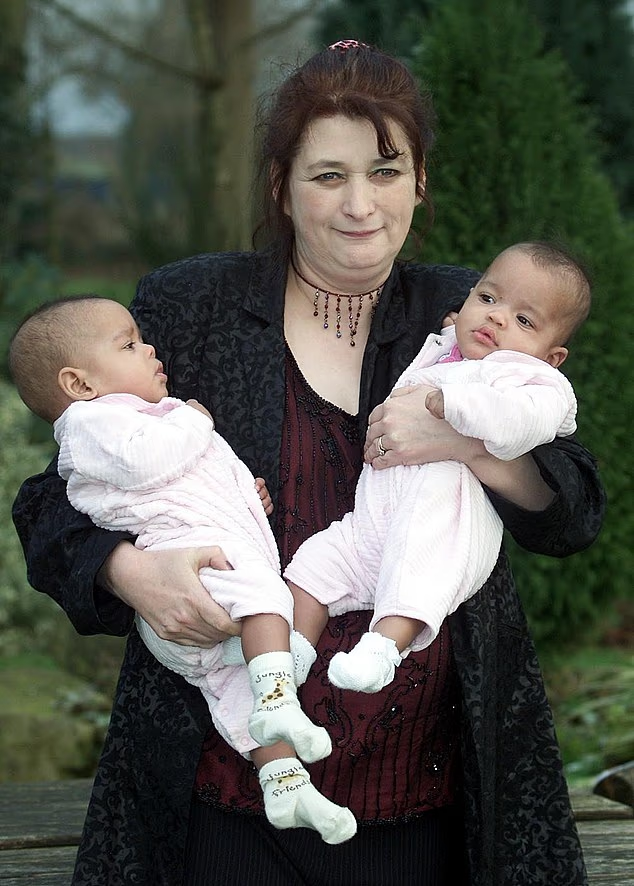
Over the following week, Wecker, the Kilshaws, and Wecker’s three-year-old daughter drove together from San Diego to St. Louis to collect the twins’ birth certificates, then continued on to Arkansas, where adoption proceedings could be finalized in as little as ten days. On December 22, 2000, a five-minute hearing in an Arkansas court completed the adoption. Within a week, Alan and Judith Kilshaw had flown to Wales with Kiara and Keyara, now renamed Belinda and Kimberly.
Two governments, one crisis
The British tabloid The Sun broke the story. Across seven pages it detailed how a Welsh couple had purchased infant twins through an American website, flown them to Britain, and left a California couple claiming to have already paid for the same children. The story spread fast on both sides of the Atlantic, and the tabloid’s name for the babies, the Internet Twins, stuck.
Authorities in Flintshire County placed the girls under an emergency protection order. Tony Blair called the transaction “deplorable” and vowed the law would change. The FBI opened a preliminary investigation into A Caring Heart, with complaints arriving from multiple other families who said they had paid Johnson fees for adoptions that never materialized.
The Arkansas adoption was voided on March 6, 2001, by the Pulaski County Probate Court. The court ruled that neither the Kilshaws nor Wecker had met the state’s 30-day residency requirement. The Kilshaws appealed. A British judge, Mr Justice Kirkwood, ultimately condemned them as “media-obsessed,” finding their concern for the children’s welfare was not genuine. In April 2001, the twins were ordered back to the United States.
The Allens withdrew from the custody fight. Richard Allen had by then been accused of molesting two babysitters.
Wecker herself was indicted by a federal grand jury in 2001 on nine felony counts of filing false statements to obtain government benefits, including housing subsidies, food stamps, and unemployment payments she had claimed while working at Walmart and three other employers simultaneously. She faced a tenth count of mail fraud. The charges bore no connection to the adoption dispute.
Kiara and Keyara came home
In April 2001, the twins arrived back in St. Louis escorted by three British social workers. They were placed immediately into Missouri state foster care at a location kept secret from the public. What followed were years of contested custody hearings, competing claims from their biological parents, and eventually a quiet resolution.
A Missouri couple, described by later reports only as a churchgoing family, adopted them. Their new names have never been made public.
Tranda Wecker later remarried, taking the name Conley. She attempted to win access to the twins in 2004 and again in 2006. In 2004 the Missouri Supreme Court ruled that her parental rights had been wrongfully terminated, finding that two failed adoption placements did not constitute the “severe and recurrent acts of emotional abuse” required under state law. But Kiara and Keyara were already settled with their new family. The courts kept them there.
As of 2018, the twins were 18 years old, enrolled at university studying social sciences, playing lacrosse and basketball, and performing in the school band. Keyara was described by their adoptive mother as the more outgoing of the two. Kiara was the reserved one. Their adoptive mother said they had grown into fine young women and that she never looked back from the day they arrived.
A Caring Heart was shut down in the aftermath of the scandal. No criminal charges against Tina Johnson were ever publicly announced. The United Kingdom enacted reforms to prevent unregulated overseas adoptions from operating in the same manner again. The $6,000 the Allens had paid was never returned to them. The Kilshaws separated in 2006 and were left roughly £50,000 in debt by the legal battle. Alan Kilshaw died in 2018.
Kiara and Keyara were sold twice before they were one year old. Nobody who sold them ever went to prison for it.
