
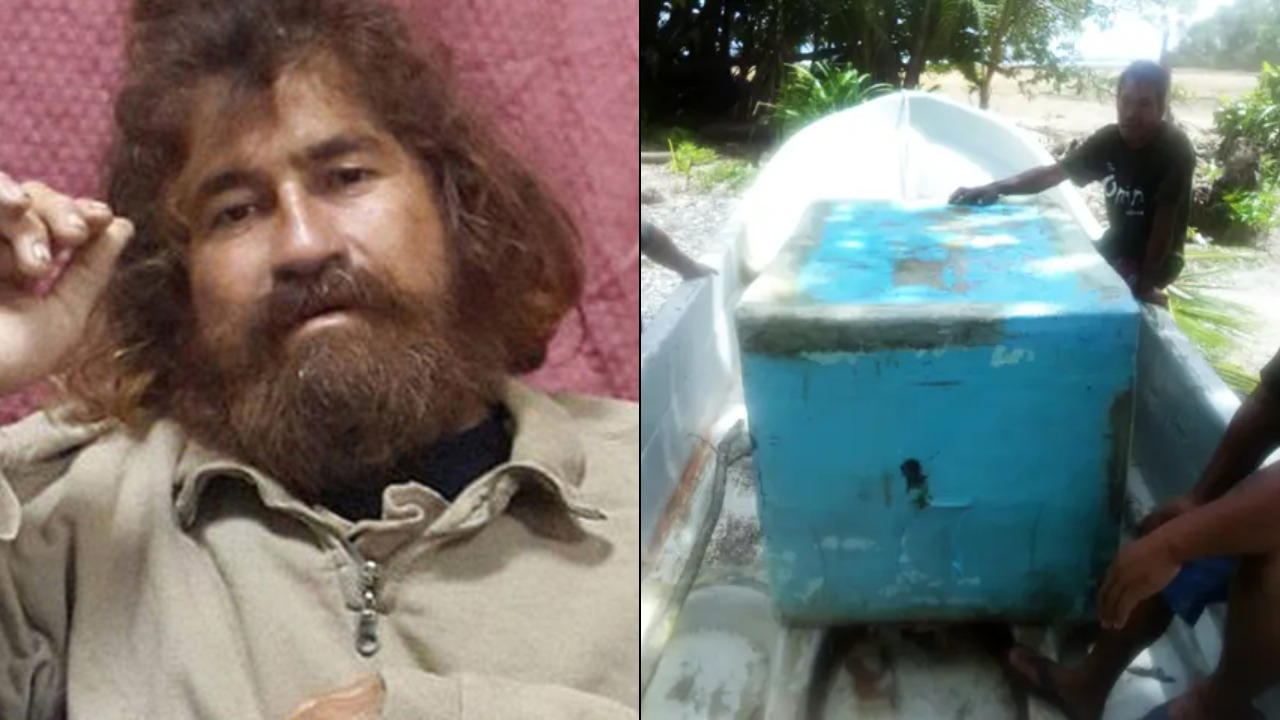
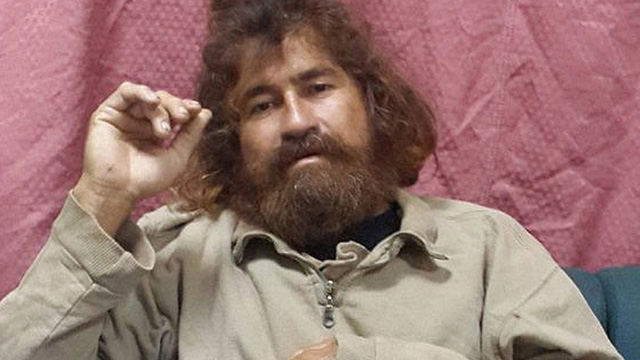
On January 30, 2014, Emi Libokmeto and Russel Laikidrik stepped outside their small home on Tile Islet, part of the Ebon Atoll in the Marshall Islands, and saw something that made no sense. A naked man with a wild beard and a knife was staggering toward them from the waterline, shouting in Spanish. Libokmeto motioned for him to drop the knife. He did. And it was only then, as the figure collapsed toward them, that the couple understood what they were looking at.His name was José Salvador Alvarenga. He had been at sea for 438 days.
A routine trip went wrong
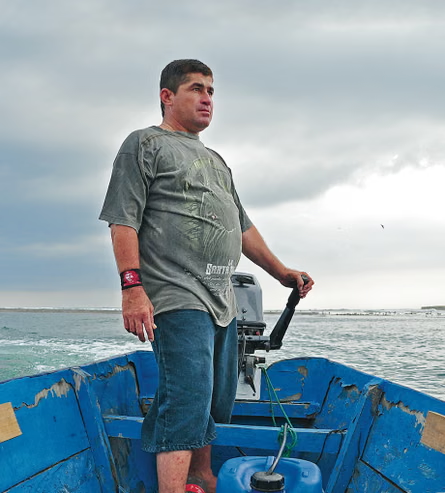
On November 17, 2012, Alvarenga set out from Costa Azul, a fishing village near Pijijiapan in Mexico’s Chiapas state. He was a seasoned shark fisherman from Garita Palmera, El Salvador, who had been working those coastal waters for over a decade under the employ of a local boat owner named Villermino “Willie” Rodriguez. The plan was unremarkable: a 30-hour deep-sea run targeting sharks, marlin, and sailfish. A good catch would cover a week’s income.
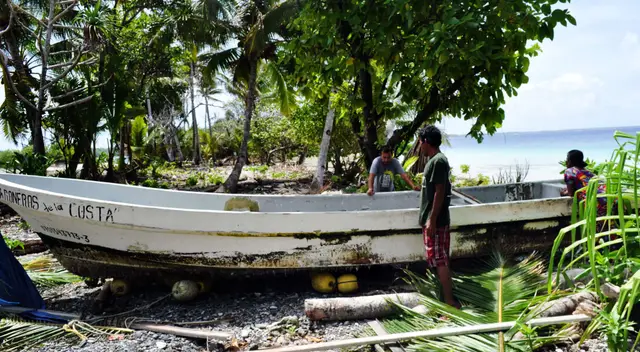
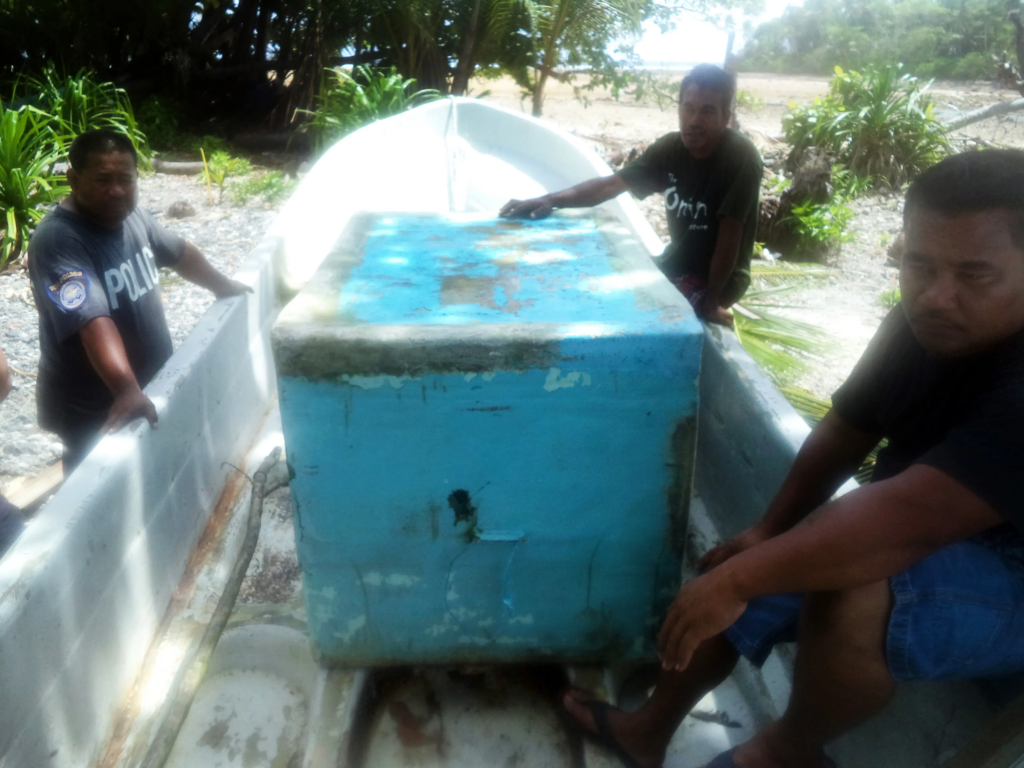
His regular crewmate backed out at the last minute. Alvarenga recruited Ezequiel Córdoba, a young, inexperienced local who had agreed to come for around 50 dollars. The two men barely knew each other.Their vessel was a 25-foot open fiberglass skiff with a single outboard motor. The boat carried ice and a refrigerator-sized cooler for storing catch, a basic supply of food and water, and 50 fishing buoys.
What it did not carry was an anchor, oars, sails, a waterproof GPS, a flare gun, or a working radio with a full battery. For an 80-mile offshore trip, Alvarenga had deemed these absences acceptable.That night, 80 miles out to sea, a violent storm hit them.
The storm that sealed their fate
Waves reached five meters. Gale-force winds tore across the open boat, and water poured in faster than Córdoba could bail. The two men fought through the night. At 9:00 a.m. the next morning, a break in the clouds revealed land. Twenty-four miles away. Close enough to see.Then the outboard motor stopped.
They broke the pull-cord trying to restart it. Alvarenga radioed Rodriguez for help, but without a functioning GPS he could not give their position. Seconds later, the radio battery died. They jettisoned 500 kilos of fish to reduce the risk of capsizing and lashed fishing buoys along the hull as drag anchors. Without oars and without power, there was nothing left to do but watch.The mountains on the horizon shrank. Then they were gone.
For five days the storm drove them further into the Pacific. By the time it broke, the boat had drifted 450 kilometers from land. Rodriguez had dispatched a search party, but they found no trace of the vessel and called the operation off after two days, citing heavy fog and deteriorating weather. The Pacific had swallowed the skiff completely.
Surviving on what the ocean provided
With their food exhausted and most of their fishing equipment lost, Alvarenga improvised. He knelt over the side of the boat with both arms submerged and held still, hands open, until a fish swam between them. Then he closed his grip. He also caught seabirds and sea turtles that strayed too close to the hull. There was no fire aboard, so everything was consumed raw, with the full attendant risk of parasites and salmonella.
Fresh water was scarcer than food. Rainwater, when it came, went into plastic bottles scavenged from the ocean. When the rain stopped, the men drank turtle blood, warm and metallic, caught in a bowl after slitting the animal’s throat. When turtle blood ran out, they drank their own urine, a cycle that worsened their dehydration even as it kept them functional.
For shelter, the two men inverted the fish cooler and crammed themselves inside, using each other’s body heat against the cold nights and protecting themselves from the tropical sun during the day. Doctors who later examined Alvarenga found evidence of spinal damage consistent with spending months in a severely constricted position. The cooler was the only shield available.
Ezequiel Córdoba did not make it
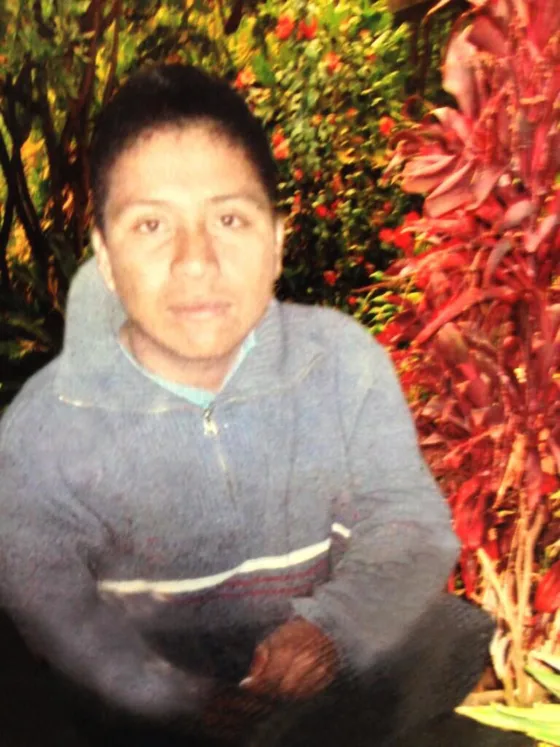
Roughly four months in, Córdoba became violently ill after eating a seabird. He recovered physically, but something in him broke. He began refusing food. Then water. His arms, by Alvarenga’s account, became the thickness of a child’s, his thighs barely wider than a forearm. Alvarenga begged him to eat. He refused.On approximately the 118th day at sea, Córdoba’s body went into convulsions as Alvarenga tried to pass water to his lips.
Moments later, he was still. He was reportedly in his early twenties. He had agreed to the trip for 50 dollars. He had spent his last weeks talking to Alvarenga about his mother. His final request had been a promise: do not eat me if I die.Alvarenga kept Córdoba’s body on the boat for six days, talking to it, before he accepted that his crewmate was not coming back. He buried him at sea.The silence that followed was a different kind of ordeal.
320 days alone
Researchers who study extreme isolation describe it as physically corrosive. Prolonged solitude degrades decision-making, triggers paranoia, and can compromise the immune system. Astronauts on long missions and scientists stationed in remote outposts consistently name it the hardest element of the job. Alvarenga had no training for it, no end date, and no one to speak to.
He constructed a mental routine. Each morning he told himself he was waking up at home. Each walk from one end of the boat to the other became a walk through a park. He counted lunar cycles to track time. He prayed. He thought about his daughter, whom he had not spoken to in years, and made a vow to himself about what he would do if he survived.
Container ships appeared on the horizon. He shouted and waved. None stopped. His boat sat too low in the water to be seen from a bridge.After counting his 15th lunar cycle, he spotted coconut husks floating near the boat. Seagulls were skimming the surface. On the horizon, the unmistakable shape of an island. He cut the buoys loose to let the current take the boat in faster. It took half a day to reach shore.He swam the final stretch and crawled up the beach clutching handfuls of sand.
Rescue and what followed
Emi Libokmeto and Russel Laikidrik brought him inside, gave him food, and began the difficult work of understanding what had happened to him. He had drifted approximately 6,700 miles across the Central Pacific in an open 25-foot skiff with no motor, no navigation equipment, and no crew. He had not spoken to a living person in 320 days.
At a hospital in Majuro, the Marshall Islands capital, physicians found him anemic and unable to walk unaided due to severely swollen ankles. He had developed hydrophobia, an intense fear of water. His blood pressure was dangerously low. What they did not find was equally remarkable: no severe kidney damage, no skin lesions from prolonged sun exposure, no scurvy. Researchers later confirmed that raw fish, turtle, and seabird meat contains sufficient vitamin C to prevent it.
Oceanographers at the University of Hawaii modeled the wind and current patterns from November 2012 and concluded that a boat departing from the coast of Chiapas would have ended up within 120 miles of Ebon Atoll, precisely where Alvarenga landed.In April 2014, his lawyer confirmed he had passed a polygraph examination.
In November 2015, following the publication of journalist Jonathan Franklin’s account of the ordeal, 438 Days: An Extraordinary True Story of Survival at Sea, the family of Ezequiel Córdoba filed a $1 million lawsuit against Alvarenga alleging that he had cannibalized his crewmate rather than burying him at sea. The claim was denied. Alvarenga’s account was upheld.
Ezequiel Córdoba was reportedly in his early twenties. He had signed on for the trip to make 50 dollars. During the months the two men spent adrift, he spoke often about his mother. His one request in his final days, drifting somewhere in the central Pacific, was that Alvarenga not eat him if he died. Alvarenga kept that promise. In the official Mexican civil defense records, Ezequiel Córdoba remains listed as a missing fisherman, lost from Costa Azul on November 17, 2012. His body was never recovered.
