
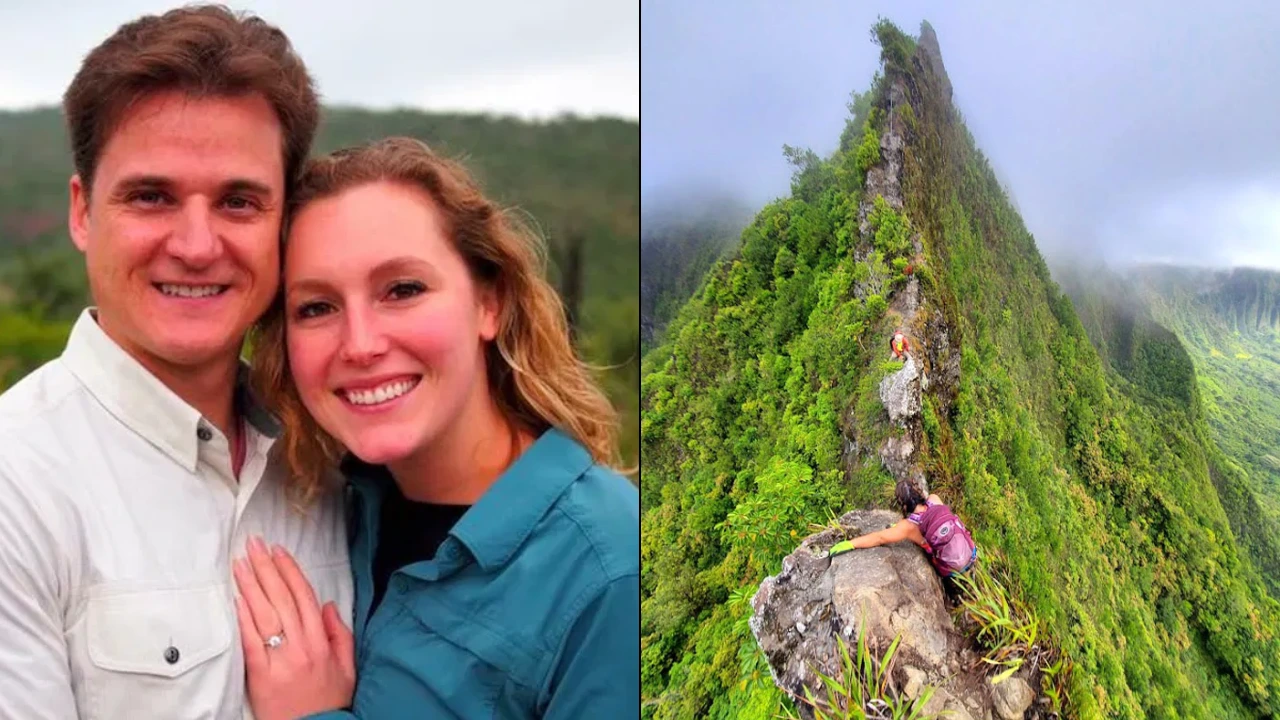
On the morning of March 24, 2025, Gerhardt Konig gave his wife Arielle a birthday card. “Angel face,” he had written, “there is no obstacle in this world too hard for me to fight for you. I would take anything just to see your smile.” Hours later, on a forbidden mountain trail above Oahu’s Pali Lookout, he pressed his hand over her mouth and told her nobody was coming.
The marriage began to fracture
Gerhardt Konig, 46, was an anesthesiologist and partner at a medical group on Maui. Arielle Konig, turning 36 that day, was a nuclear engineer who worked remotely. The two had met on eHarmony after Gerhardt’s fifteen-year first marriage ended, married in 2018, and relocated from Pennsylvania to Maui in 2022 for a professional opportunity Gerhardt had been offered. They had two sons together, aged four and two. Gerhardt had two adult sons from his previous marriage.
Trouble, by Gerhardt’s own later account, began around September 2024, when he started to believe Arielle was having an affair. He described gut feelings: she was always on her phone, he overheard calls. In December 2024, while Arielle slept, he logged into her WhatsApp account and read her messages with a coworker named Jeff Miller. He was convinced he had found what he was looking for.
From that point, he logged into her account from his own laptop to monitor the exchanges in real time. He purchased hidden audio recorders and placed them in the home. He sent an email to Miller’s wife describing what he claimed to have found. When Arielle discovered what Gerhardt knew, she apologized. She agreed to couples therapy, stopped contacting Miller, and committed to the marriage.
The messages shown at trial contained nothing sexual or explicitly romantic. Prosecutors described them as flirty. Arielle testified under oath that there had been no physical relationship. Whether Gerhardt accepted that distinction, he did not behave as though it changed anything.

Konig began calculating the cost
In the months after December 2024, Gerhardt created a folder on his laptop and named it after his wife. Inside, he compiled documents comparing the financial cost of divorce against the financial outcome of Arielle’s death. He had been through a divorce before and knew what it cost. Arielle carried a life insurance policy with a $250,000 payout to Gerhardt as beneficiary. Divorce, by his calculations, would cost more.
He began researching the Pali Puka trail on Oahu. He read articles about its terrain: the sheer drops, the stretches where the cliff ran close to the path, the official closure to the public, the deaths that had occurred there before. He selected it and said nothing to Arielle.
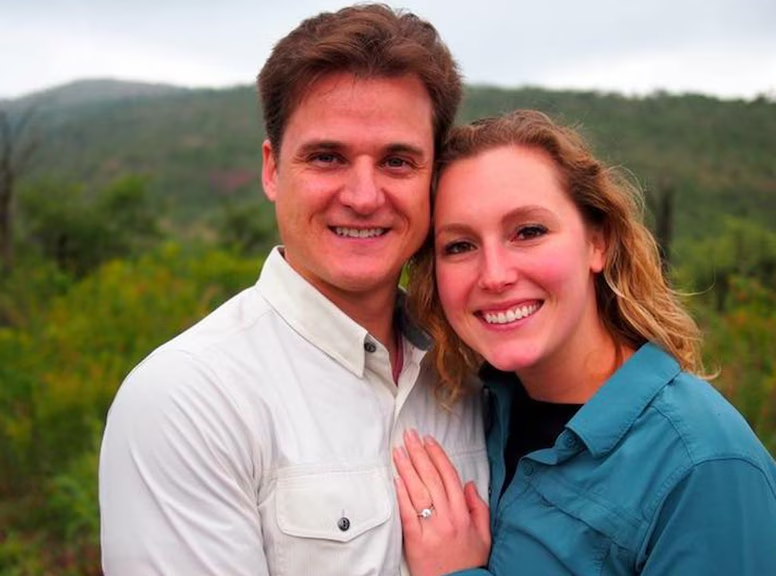
The couple arrived on Oahu
The weekend getaway had been framed as a birthday trip and, in Arielle’s understanding, a step toward rebuilding. The therapy had felt like progress. She believed they were on the right track. That morning, Gerhardt gave her the necklace and the card before they flew from Maui to Oahu, leaving their two young sons in the care of family and a nanny.
He drove them to the Pali Lookout and led Arielle toward the Pali Puka trail. The route is not one visitors stumble onto by accident. It is marked with warnings and has claimed lives. Arielle grew uneasy as they went further in. The cliff ran close beside them. The height made her dizzy. She told Gerhardt she wanted to turn back.
He agreed, readily. But suggested one photograph first, at the edge, for the view.
She hesitated. She did not really want to.
That hesitation was the pivot.

The assault on Pali Puka
Gerhardt grabbed Arielle by the arms and shoved her toward the drop. She grabbed at rocks, at roots, at anything within reach, and threw herself against him onto the ground. He straddled her. He produced a syringe.
“Nobody’s going to hear you,” he told her. “Nobody’s coming to save you.”
The syringe contained propofol, the powerful sedative anesthesiologists use to render patients unconscious. Gerhardt had taken it from his workplace. Arielle knocked the syringe from his hand. He produced a second one, which he had brought as a backup. She bit his hand and grabbed his testicles.
Gerhardt picked up a rock and struck her across the head. He struck her at least ten times with force, splitting her scalp open and fracturing bone. The skull became visible. He was still striking her when he abruptly stopped, stood, and walked into the surrounding jungle. He was gone before anyone reached Arielle.

Two hikers heard the screaming
Two women who had no authorised reason to be on the closed Pali Puka trail that morning heard Arielle screaming before they saw her. They emerged from the brush and found her bleeding on the ground. One of them, a woman named Sarah, called 911 while they helped Arielle down the trail. Sarah’s voice on the recording described what she had witnessed: a man on top of a woman, and then gone.
Arielle arrived at hospital in critical condition. Her scalp required surgical reattachment. She had sustained multiple fractures and facial injuries. The photographs from the scene required pixelation to broadcast.
A search for Gerhardt Konig launched immediately. Police and helicopters covered the area for eight hours before locating him. He was still covered in Arielle’s blood. He tried to run. Officers took him down.
In the gap between the attack and his capture, Gerhardt had placed a FaceTime call to one of his adult sons. He told the young man he had tried to kill Arielle and asked him to look after the younger children. He said he intended to go off a cliff himself. He did not.
A subsequent search of the family’s Maui home recovered additional syringes and a supply of propofol. His laptop contained the folder named after Arielle, the cost comparison documents, and his research into the Pali Puka trail.
The verdict and its aftermath
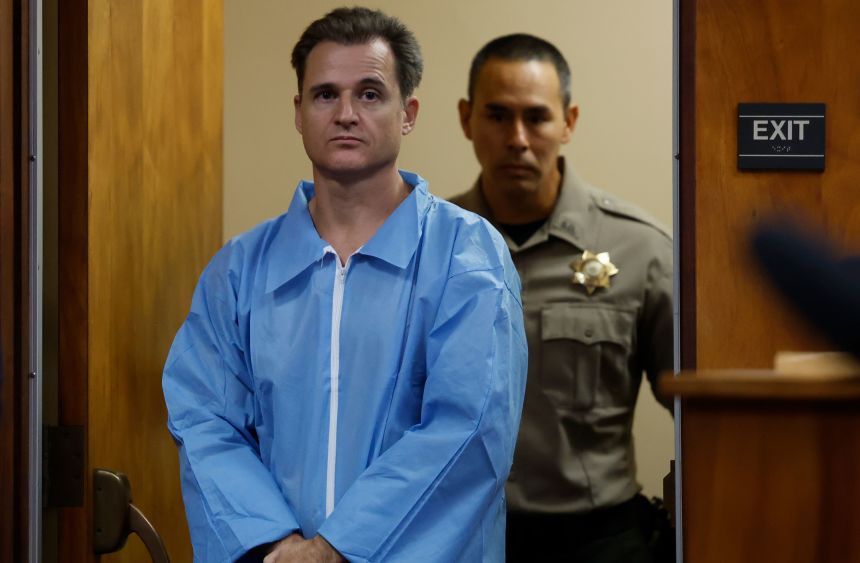
Gerhardt Konig was charged with attempted murder in the second degree. He pleaded not guilty. His trial opened in Honolulu in March 2026, one year after the attack. His defense attorney, Thomas Otake, argued self-defense. The defense claimed Arielle had initiated the physical confrontation on the trail, that she had struck Gerhardt with a rock first, and that he had hit her twice in response while she still had hold of his testicles. The FaceTime call to his adult son, Otake suggested, had been misheard through wind and distress.
Gerhardt took the stand and denied pushing Arielle toward the cliff, denied the syringes, denied any intent to kill her. He said he had struck her twice, under extreme provocation.
The jury convicted him of the lesser charge: attempted manslaughter based on extreme mental or emotional disturbance. The conviction carries a maximum of twenty years. Sentencing was scheduled for August 13, 2026.
Defense attorney Otake filed for a new trial within weeks. Foreperson Makalapua Atkins confirmed in media interviews after the verdict that the jury had not unanimously found Gerhardt intended to kill Arielle. A second juror, identified publicly as Juror #3, told a Honolulu television station he was personally not convinced Gerhardt meant to take her life. Under Hawaii law, the defense argued, even a conviction for attempted manslaughter requires the jury to have found intent to kill. If that finding was never made, the conviction cannot legally stand.
A further concern surfaced: during deliberations, a message posted to a live trial chat stream had claimed the writer was in contact with a juror and that the jury was leaning toward attempted manslaughter. The comment correctly predicted the outcome before the verdict was announced. Judge Paul Wong ordered jurors to be questioned about any outside communications during deliberations. The court was scheduled to revisit the matter on September 11, 2026. Prosecutors, in their response, argued that the internal deliberations of a jury cannot be reconsidered once a unanimous verdict has been returned.
In court, Arielle Konig pulled back her hair and showed the jury the scar on her forehead, the line where her scalp had been surgically reattached. The birthday card Gerhardt had written that same morning was entered into evidence. He had promised no obstacle in the world too hard to fight through. The jury took ten days to work out what that had meant.
