
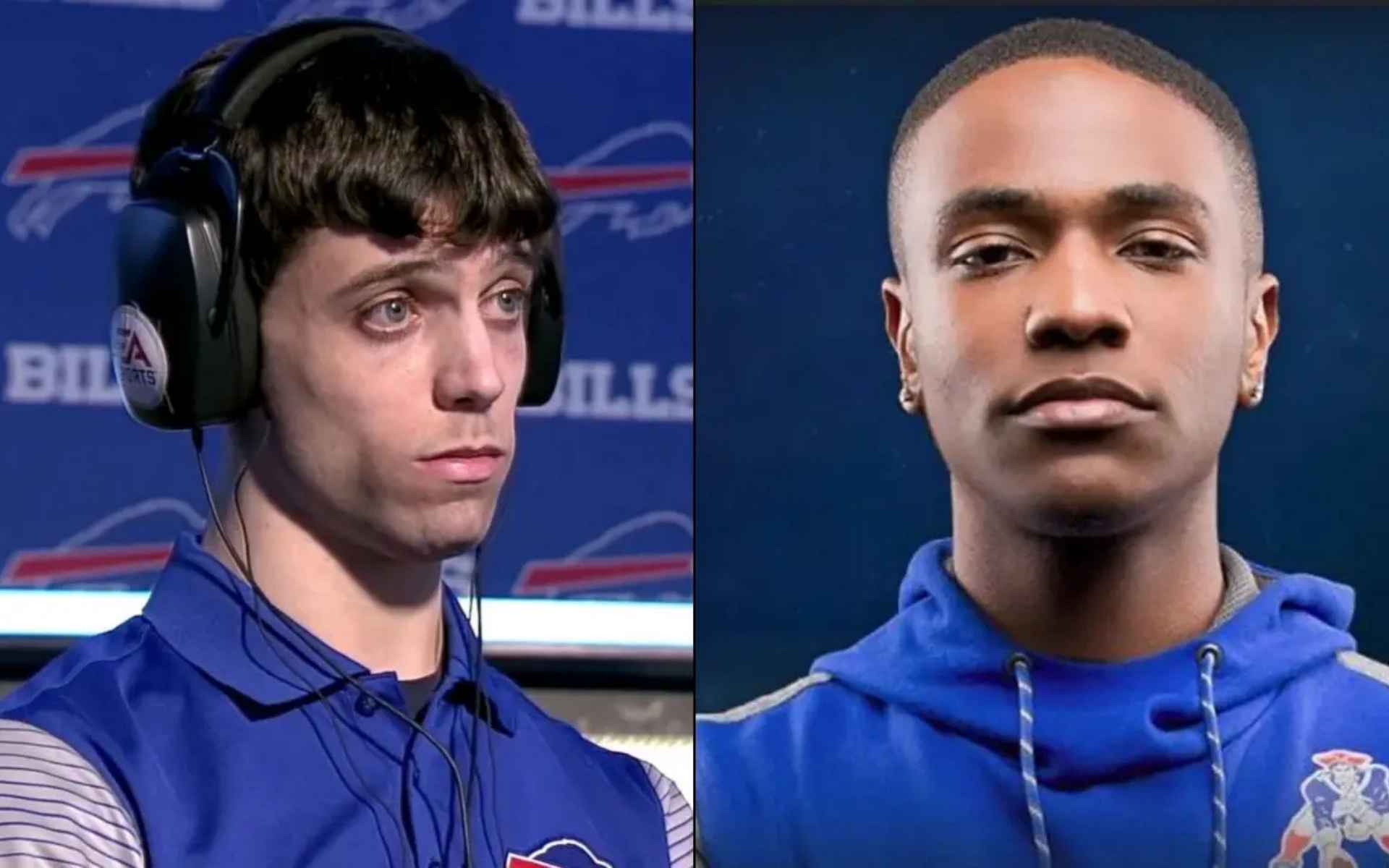
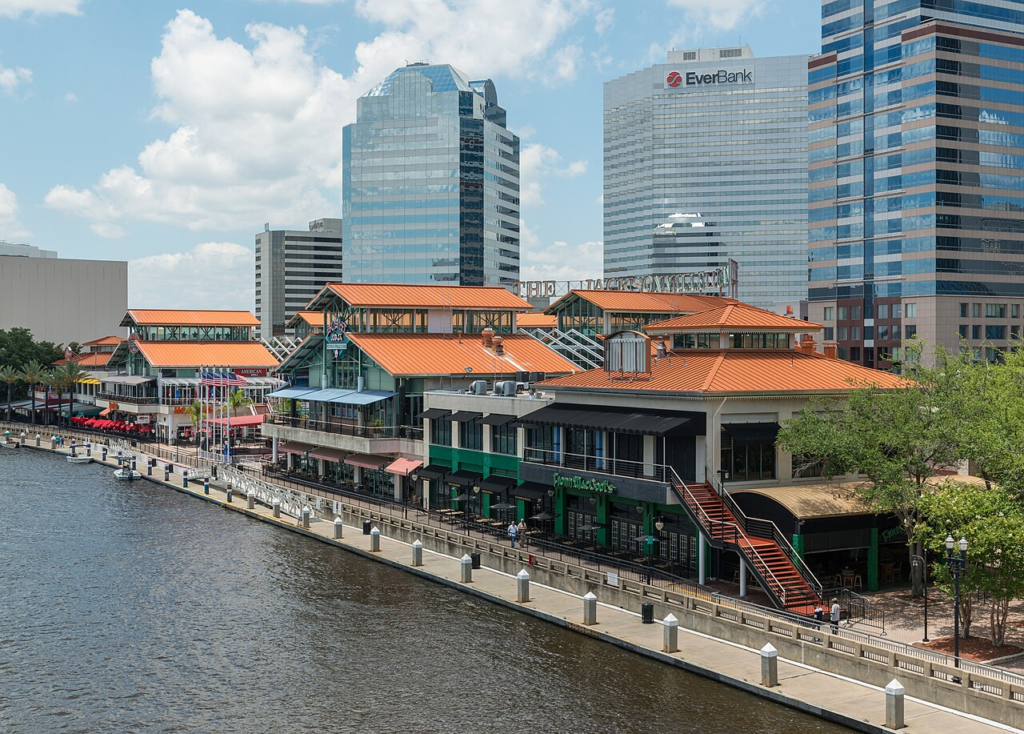
At 1:34 pm on August 26, 2018, messages reporting gunfire began appearing on social media from inside the Good Luck Have Fun Game Bar at the Jacksonville Landing in Jacksonville, Florida. The bar had been hosting a Madden NFL 19 qualifying tournament. The event was being broadcast live on Twitch.
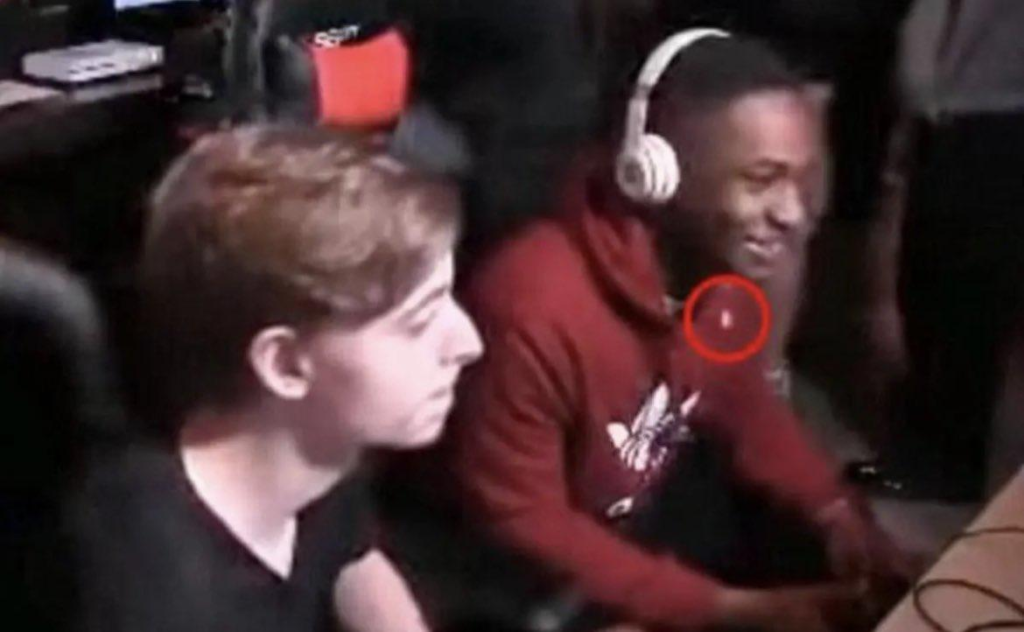
Seconds before the first shot, footage from the stream showed a red laser sight hovering over the chest of 22-year-old professional gamer Elijah Clayton. The camera panned to the game on screen. Then the shooting started.
Twenty-four-year-old David Katz of Baltimore, Maryland, fired 12 shots in under 20 seconds. Clayton and 27-year-old Taylor Robertson were dead. Ten others had been shot. One more was injured fleeing the bar. Katz turned the gun on himself.
He had brought two firearms to the tournament. He had purchased them legally in Baltimore just two weeks before.
A family in free fall
David Katz was born on December 22, 1993, into an affluent and well-educated household in Baltimore. His father, Richard, was an engineer at NASA. His mother, Elizabeth, was a toxicologist with the U.S. Food and Drug Administration. His older brother, Brandon, had been born in March 1990.
The stability did not hold. David’s first documented psychiatric concerns emerged at age nine. By the time he was 12, he had seen multiple psychiatrists and been prescribed several psychiatric drugs, among them antipsychotics and antidepressants. His parents’ marriage fractured substantially over disagreements about his treatment. Richard argued that Elizabeth’s reliance on medication was excessive and that therapy would have been a safer path. Elizabeth, a toxicologist with a professional background in pharmacology, pushed back. The couple divorced in 2006.
Between 1993 and 2009, 26 calls were reportedly made to the family home in Baltimore. The majority, according to accounts of the case, were categorized as domestic disputes or concerns about mental illness.
David was prescribed Abilify, an antipsychotic primarily used to treat schizophrenia and bipolar disorder, and Prozac, an SSRI antidepressant. There are unconfirmed reports he was later prescribed Lexapro. In 2007, at 14, he was admitted to Sheppard Pratt psychiatric hospital, where his antidepressant dosage was increased. This was one of at least four known care facilities he attended during the same period. One of those facilities has since been investigated for the sexual abuse of adolescent patients.
Elizabeth allegedly enrolled David in a wilderness treatment program for troubled teenagers without first securing court permission. His relationship with her deteriorated to the point of open hostility. On December 22, 2009, his 16th birthday, he wrote directly to the judge overseeing his parents’ custody dispute.
“My mum is pretty crazy,” he wrote. “She called the police on me about 20 times for pretty much nothing like coming home a little late or something. She gets drunk and starts yelling at me and poking me and doesn’t leave me alone. She has hit me before and always takes my stuff because she feels like it. She is twice sent me to mental hospitals and once to a wilderness therapy program for no significant reason.”
He asked to live with his father.
A detail that would draw scrutiny years later: in October 2004, the FDA issued a black box warning on SSRI antidepressants for patients under 18, citing increased risk of suicidal ideation. Two years later, Elizabeth, an active FDA toxicologist, had her 13-year-old son prescribed Lexapro, a drug listed under that same warning. The family court records documenting this are publicly available.
As David entered adulthood, formal psychiatric intervention became less frequent. He was eventually diagnosed with dysthymia, a persistent depressive disorder, and oppositional defiant disorder, characterized by a pattern of angry, irritable moods and argumentative behavior typically directed at authority figures. He had almost no in-person friendships. He played video games until 4 am on school nights. He walked laps around the house at irregular hours. He went days without bathing.
Madden brings David into focus
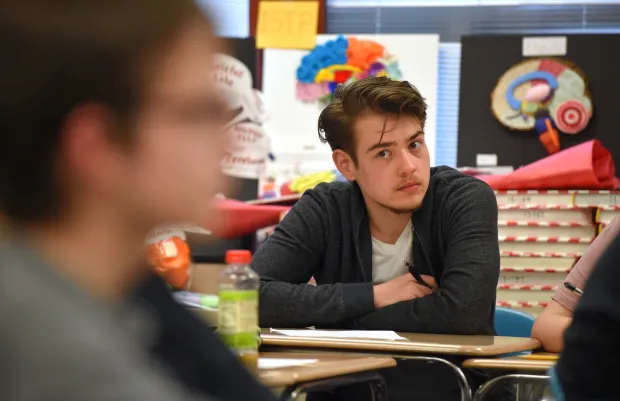
David attended Hammond High School in Columbia, southwest of Baltimore. Classmates described him as quiet, withdrawn, and deeply invested in competitive video games. He graduated in 2011, enrolled at the University of Maryland to study Environmental Science and Technology, and never registered for classes.
What he did instead was play Madden NFL online. He was very good at it.
Competing under the names “Bread,” “mrslicedbread,” and “RavensChamp,” David built a reputation in competitive Madden circles as a skilled and deeply unsociable opponent. Other players described him as strange, rude, and nearly impossible to engage. He rarely made eye contact. He frequently declined handshakes after matches.
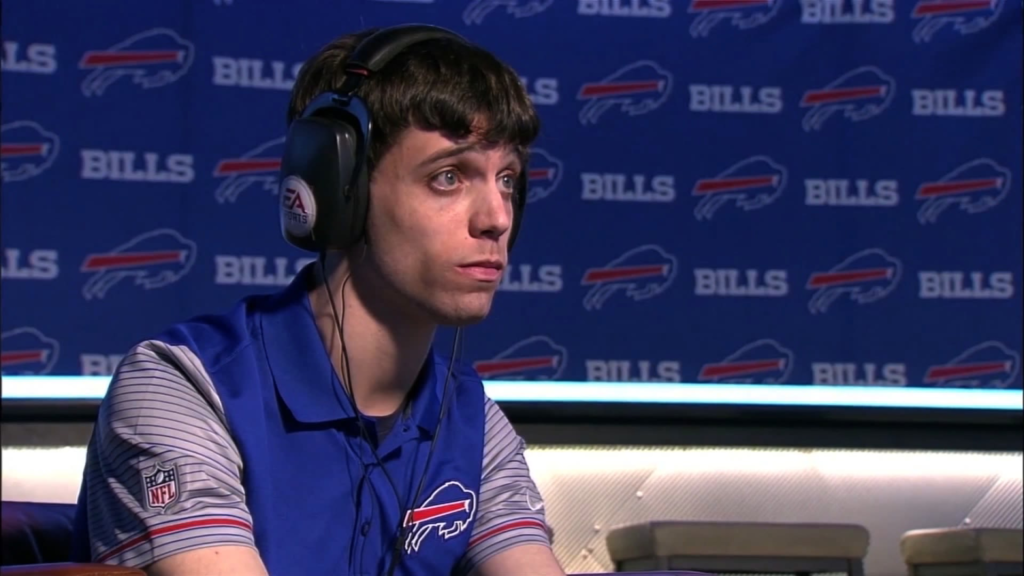
In June 2016, he entered the Buffalo Bills Madden 17 Club Series championship as the seventh seed, an underdog by any measure, and won the whole thing. He defeated the top seed in the final. The prize was $10,000. He returned in April 2017 to represent the Buffalo Bills at the Madden 17 Club Series championship finals.
By the metrics of the game itself, he was genuinely talented. By almost every other measure, he was struggling.
Jacksonville, August 26
The Good Luck Have Fun Game Bar at the Jacksonville Landing hosted a Madden NFL 19 qualifying tournament across the weekend of August 25 and 26, 2018. Between 130 and 150 participants and spectators were present. David was among the invitees and had advanced comfortably through Saturday’s rounds.
By Sunday afternoon, the competition had tightened. Shortly before 1:30 pm, David was eliminated from the tournament by Elijah Clayton. He refused to shake Clayton’s hand and left the bar.
The two had a documented and bitter history. Clayton had openly mocked David for his social awkwardness. He had posted the full text of a Madden strategy book David had authored online, making it freely available without permission. At a previous tournament, Clayton had reportedly taken a shared taxi, shut the door in David’s face, and left without him.
After the elimination, David walked to a nearby restaurant. He left his sunglasses on a table. Then he reached into his Baltimore Ravens backpack, retrieved a .45-caliber Metro Arms Company MAC 3011 semi-automatic pistol, walked back into the bar, and positioned himself near the other players. A 9mm Springfield Armory XD Mod.2 sub-compact remained unused in his waistband.
The tournament was still running. The stream was live.
The shooting goes live
The livestream camera was on Elijah Clayton when the red dot from David’s laser sight settled on his chest. The camera panned back to the game. David fired.
Clayton was shot three times, in the chest, forehead, and right eye. He died at the scene.
David turned on the other players. Taylor Robertson was shot from behind as he ran. He died in the process. David fired 12 shots in total, wounding ten others, before turning the weapon on himself. One additional person was injured in the rush to escape.
The entire sequence lasted approximately 20 seconds.
First responders arrived at 1:36 pm, two minutes after gunfire was first reported on social media. The local firefighters union had been training in the area when survivors ran toward staff for help. The Coast Guard was called in to sweep the waterways of the adjacent St. Johns River. SWAT officers secured and evacuated the building around 40 minutes after the attack. Investigators later confirmed that David had acted alone and that the shooting was not an act of terrorism.
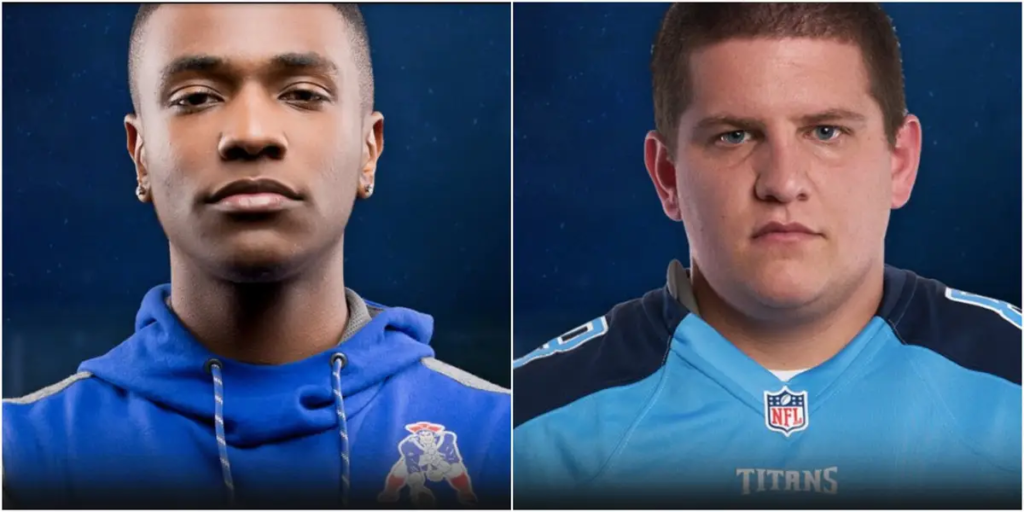
Elijah Clayton and Taylor Robertson
Elijah Clayton was 22 years old. He was from Woodland Hills, California, and competed professionally under the names “True” and “Trueboy.” He had attended Calabasas High School, where he played football. His decision to travel to Jacksonville had been made at the last minute. The day before the tournament, he had no plans to attend.
Taylor Robertson was 27 years old. He was from Ballard, West Virginia, and competed under the name “SpotMePlzzz.” He graduated from James Monroe High School in 2009, where he was named Athlete of the Year in his senior year. Outside of gaming, he worked as an accountant and credit analyst at First Community Bank.
Both men died in a room they were in because they were good at what they did.
A legal purchase, an unlocked door
David Katz had legally purchased both firearms at a shop in Baltimore, Maryland, two weeks before the shooting. Despite a psychiatric history spanning more than a decade, including multiple involuntary commitments, antipsychotic prescriptions, and a letter written at age 16 describing a household in acute crisis, nothing in the existing legal framework had prevented the sale.
More than 50 lawsuits followed. Defendants included Electronic Arts, which published Madden NFL and had approved the competition; the operators of the Jacksonville Landing; the owners of the Good Luck Have Fun Game Bar; and the website through which competitors had registered. Attorneys argued that standard security measures used at concerts and sporting events, including metal detectors, would have been enough to stop Katz from entering the venue armed. Electronic Arts cancelled its three remaining Madden Classic qualifier tournaments and donated $1 million to a victim fund.
The questions raised about firearms access, mental health documentation, and security at esports events have not been fully answered in the years since.
Elijah Clayton had made a last-minute decision to go to Jacksonville. The day before, he had no plans to attend. He flew in, played, and was winning when the red dot appeared on his chest.
