
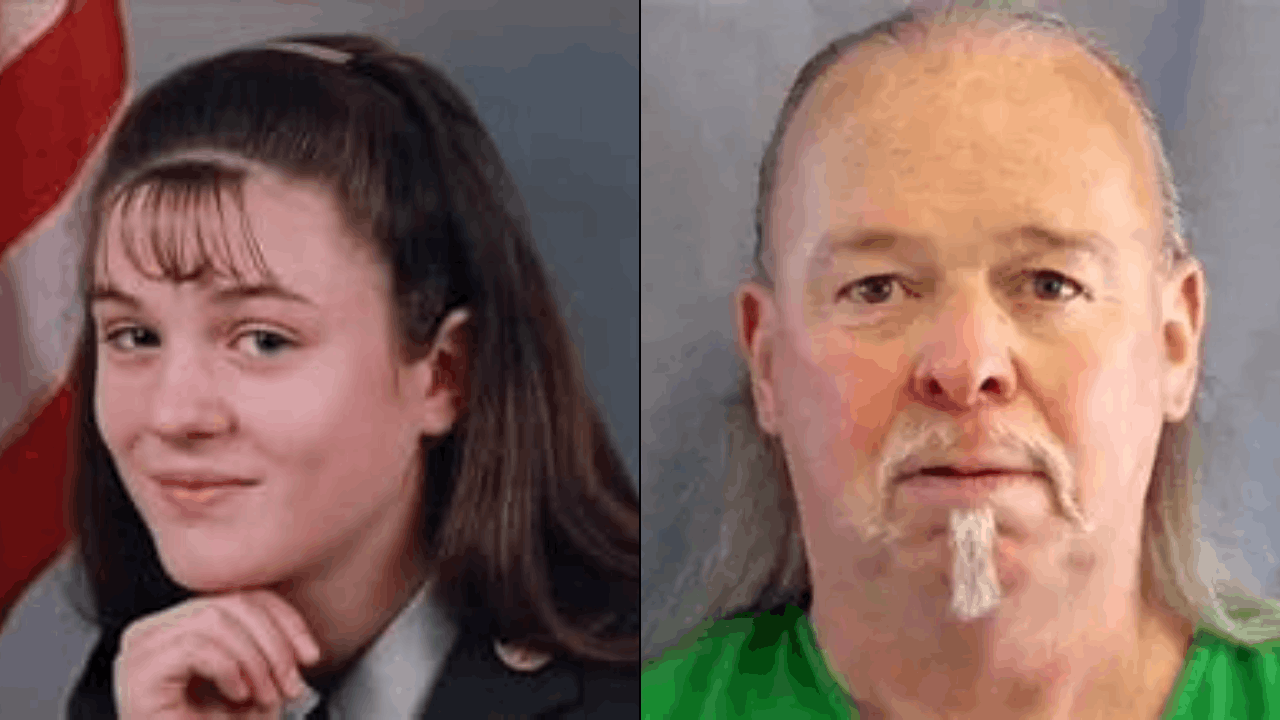
On the morning of September 10, 1999, seventeen-year-old Jessica Dishon walked out of her family home on Deatsville Road in Shepherdsville, Kentucky, and got into her red Pontiac. She never drove it. Somewhere between the front door and the driver’s seat, she was taken. Her purse, backpack, keys, phone, and one shoe were left behind inside the car. Her family would not see her again for seventeen days.
What followed was one of the most consequential investigative failures in Bullitt County’s history. An innocent neighbour spent years under suspicion, endured a public trial, and watched the case against him collapse in a courtroom before the charges were dropped. The real killer, Jessica’s own uncle, walked free for fifteen years. He was already behind bars for other crimes when investigators finally pieced together enough to charge him.
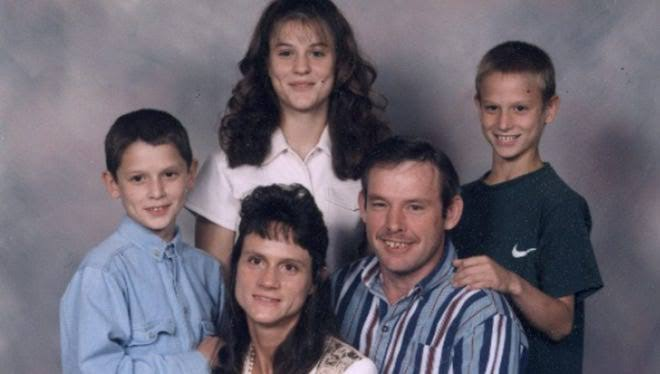
Jessica Dawn Dishon was seventeen years old, a senior at Bullitt Central High School, a fixture in her church, and known across the tight community of Shepherdsville as someone who would do anything for anyone. She worked at Hardee’s. She was the eldest child of Mike and Edna Dishon, and older sister to Christopher and Michael. Shepherdsville sits in Bullitt County, about twenty miles south of Louisville, wedged between the Salt River and stretches of heavily wooded lowland. In 1999, it was exactly the kind of place where people thought they were safe.
Edna Dishon came home from work at around 1:30 p.m. that Friday. Jessica’s car was still in the driveway. Inside it: the backpack, the purse, the phone, and one shoe on the driver’s side floor. The phone had a partial 911 call dialled on it, stopped at “91.” Edna called the Bullitt County Sheriff’s Department. Deputy David Greenwell arrived and recognised immediately that something was badly wrong.
He called the department’s lead detective, Charles Mann, twice. Mann refused to come to the scene, deciding it was most likely a runaway case. Days passed before a detective formally examined the scene. It was the first mistake in a series that would take over a decade to correct.
The search and what it found
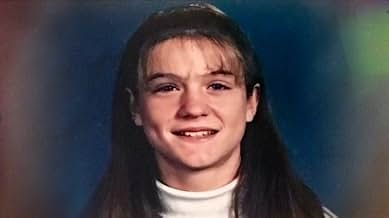
The community mobilised quickly. Search parties went out daily, walking the woods and roadsides around Shepherdsville. The FBI became involved. Missing persons flyers circulated. Weeks went by with no sign of Jessica. Then, on September 27, 1999, seventeen days after her disappearance, a family member driving through the Salt River Bottoms area spotted a body along Greenwell-Ford Road, approximately seven miles from the Dishon home.
It was Jessica. She had been beaten and strangled. Forensic anthropologist Dr. Emily Craig later testified that her body had almost certainly been moved after death, possibly more than once.
The nature of the attack, the strangulation and the deliberate relocation of the body, led investigators to believe the perpetrator had some personal connection to the family. Someone who knew where she lived. Someone who felt, perhaps, that moving her body was an act of consideration.
The wrong man charged
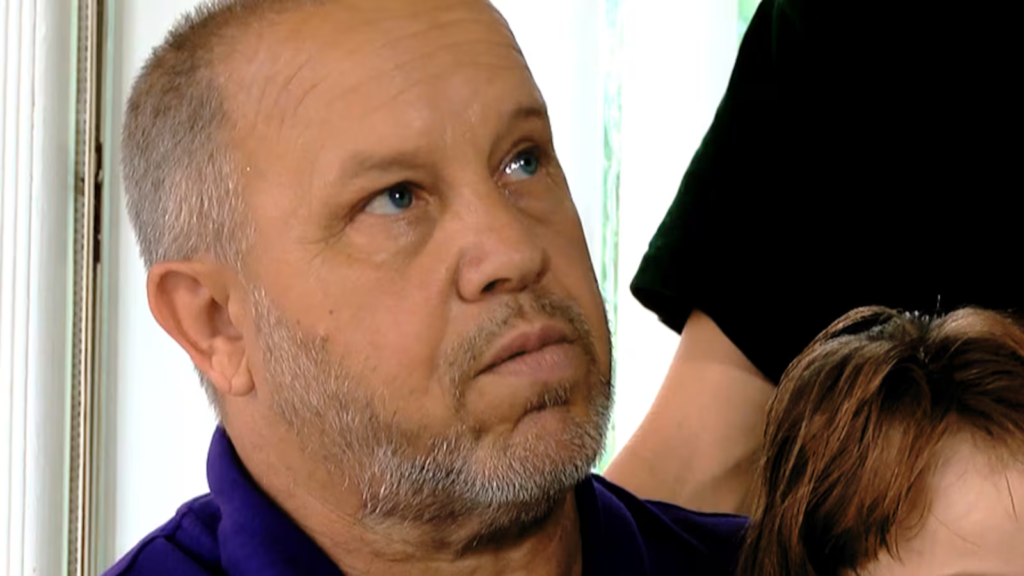
The Dishon family home abutted property belonging to the Brooks family. David “Bucky” Brooks ran a water delivery business in the area. In 2001, over a year after Jessica’s murder, a Bullitt County grand jury indicted Bucky Brooks on charges of murder and kidnapping. His brother, Joseph “Tommy” Brooks, was charged with tampering with physical evidence. Bucky had already been questioned and submitted to a polygraph test, which he reportedly failed. He had also made an ambiguous statement to investigators, saying that if his fingerprints were ever found on Jessica’s body, he would have to admit involvement.
A cadaver dog search of the Brooks property produced what investigators believed were alerts to the presence of decomposition. It was largely circumstantial evidence, but the case moved forward. Bucky Brooks was held in Bullitt County Jail from January 2001. His wife walked ten miles to visit him twice a week. He maintained his innocence throughout.
The trial began in January 2003 in front of Bullitt County Circuit Judge Thomas Waller. It did not last long. Defence attorney Vince Yustas was questioning Detective Charles Mann on the witness stand when Mann stated that Brooks had failed a polygraph test administered by the FBI.
Polygraph results are inadmissible under Kentucky law. Judge Waller had no choice: he declared a mistrial. Jurors who later spoke publicly said they would not have convicted Brooks in any case. The evidence against him was thin, almost entirely circumstantial. The charges were eventually dropped.
The damage to Bucky Brooks was not. His name had been spread across Louisville and its surrounds. Employment became difficult. The case followed him. He died without ever being formally cleared in the public mind of a murder he had not committed.
A separate thread briefly surfaced: a friend of Jessica’s came forward with a videotape in which two men in a black Camaro were described as having been with Jessica the night before she vanished. One reportedly had scratches on his face. The man who had been driving the Camaro, Jason Dunford, was investigated and cleared. Authorities made clear they did not believe he had any involvement in Jessica’s death.
The investigation reopened
The case never formally closed. Over the following decade, the Bullitt County Sheriff’s Office hired consultants, reassigned detectives, and maintained a tip line. Mike and Edna Dishon kept their own files, and periodically turned their collected materials over to new investigators. In 2011, David Greenwell, the same deputy who had first responded to the Dishon home in 1999, became Bullitt County Sheriff.
The break came on June 6, 2013. Louisville Metro Police Detective Gary Huffman was conducting an interview with an inmate on an unrelated matter when information emerged about Jessica Dishon’s case. Huffman contacted Bullitt County Sheriff’s Detective Lynn Hunt. Over the following months, Hunt and her team worked through the evidence and interviewed witnesses. Two inmates who had been in a sex offender treatment programme with Stanley Dishon separately told investigators that he had admitted to killing Jessica.
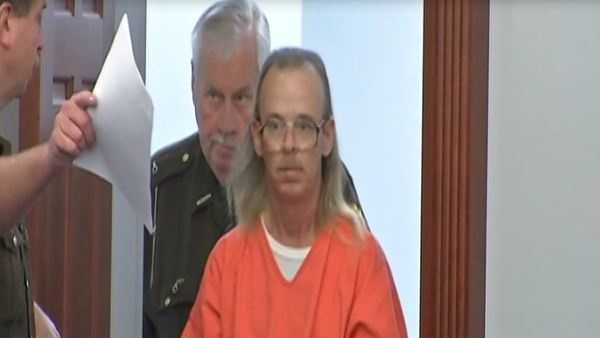
Stanley Lewis Dishon was Jessica’s uncle, the brother of her father Mike. He had been in state prison since 2005 on a sodomy conviction, serving a sentence of approximately eight years and eight months.
On October 2, 2013, a Bullitt County grand jury indicted Stanley Dishon on charges of murder and kidnapping. He was 55 years old. He had been scheduled for release from prison weeks earlier before being rearrested on a separate indictment for sexually abusing a child. The news that Jessica’s uncle was the accused sent a shock through the community that people who had lived through the case described as unlike anything before it. There was no relief, exactly. Only disbelief.
The plea and its limits
The case against Stanley Dishon rested primarily on the accounts of the two informants, who said he had confessed while in the sex offender treatment programme. Additional witnesses provided details about the killing, including specifics about the method, never released to the public, that matched what investigators knew. The prosecution also intended to establish a pattern: Stanley had a prior history of sexually abusing children within the family, with offences dating back to 1982.
In January 2015, Stanley Dishon entered Alford pleas to first-degree manslaughter in Jessica’s death and to multiple counts of sexual abuse, sodomy, and incest involving other victims. An Alford plea is not an admission of guilt. It is a formal acknowledgment that the evidence against a defendant is sufficient to secure a conviction at trial, entered while the defendant maintains personal innocence.
Stanley did not explain his actions in court. His attorney later said that had the case involved only the murder, they would have gone to trial. The combined weight of the sexual abuse charges, which carried the possibility of a life sentence, made the plea deal the more pragmatic option.
In April 2015, Special Circuit Judge Charles Simms III sentenced Stanley Lewis Dishon to twenty years in prison, with five years of probation to follow. He was also required to register as a sex offender.
At the sentencing, Mike Dishon told the court that his brother’s actions had taken seventeen years of his life. Edna Jett, who had remarried in the intervening years, told the court there was a hole in her heart that could never be filled. Stanley Dishon sat largely without expression.
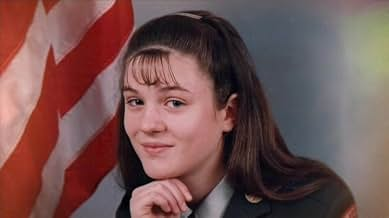
Jessica Dawn Dishon
Jessica was seventeen years old, heading into her senior year at Bullitt Central High School, working weekends at Hardee’s, involved in her church, connected to the people around her. She had just bought her red Pontiac. She was the eldest of three children. She had younger brothers who were still in middle school the morning she was taken. She had parents who never stopped. For sixteen years, Mike and Edna Dishon filled boxes with case materials, drove the routes, and pushed every new lead they could find. They gave their files to a new set of investigators when they had no other move left.
They were in the courtroom when a sentence was finally handed down. It was not enough. It was also not nothing. Jessica Dishon deserved more from the people who should have found her killer on the first day. What she got instead was a community that never forgot her, and parents who made sure the case never died.
